

Pogacar solo-attacks Alpe d'Huez in 35:27 to seize Tour de France stage 19
His 35 minutes, 27 seconds up Alpe d'Huez locks in the overall lead, reshaping the rest of the race plan.
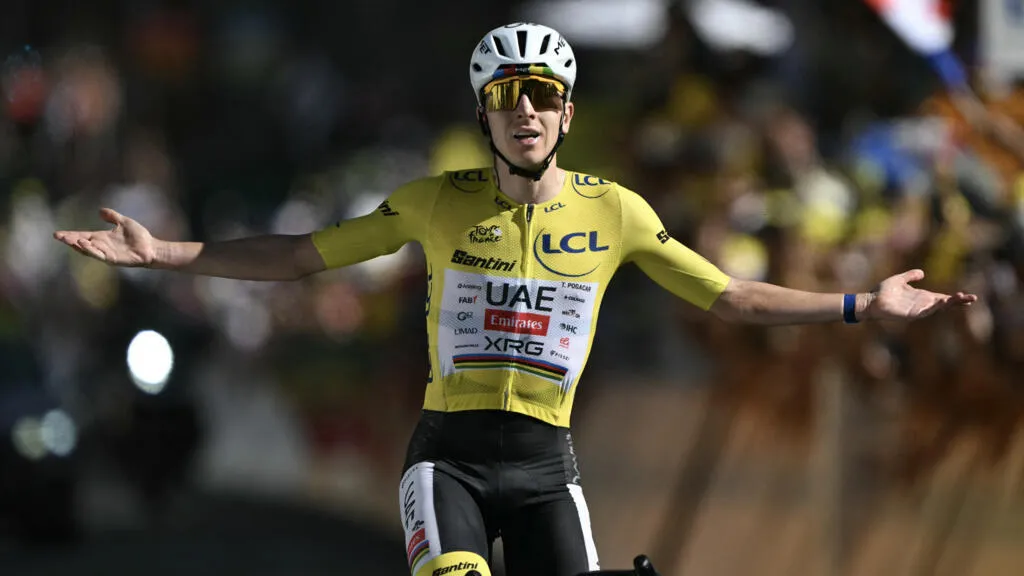
Tadej Pogacar, Slovenia's four-time Tour de France champion, won stage 19 on Friday with a solo attack up Alpe d'Huez, finishing in 35 minutes and 27 seconds. The result tightens his grip on the overall lead and forces rivals to reassess how they spend their energy in the remaining stages.
On Friday, Slovenia's four-time Tour de France champion Tadej Pogacar took stage 19 with a solo attack up Alpe d'Huez, completing the punishing climb in 35 minutes and 27 seconds. That specific time matters, because Alpe d'Huez is not a “try hard and hope” kind of mountain. It is the kind of climb where small differences become big ones, and where one rider can convert watts into seconds fast enough to change the math for everyone watching.
Pogacar’s move is also the cleanest kind of control: by taking the stage, he further consolidated his overall lead. In a race like the Tour de France, the overall competition is the real boardroom. Winning a stage is impressive, but consolidating the general classification lead is how you start dictating terms. Pogacar did exactly that on Alpe d'Huez, a signature ascent known for both its difficulty and its ability to expose who has real climbing strength left when the peloton stops being one group and starts being a collection of separate survival stories.
To understand why this matters beyond cycling fans, think like an operator facing a resource allocation problem. Teams do not just race the next kilometer. They manage fatigue like a portfolio: invest early, preserve liquidity for later, and only take risk when it has a payoff. A solo attack on a climb forces a decision on the chasing teams. Do you spend your best riders chasing a gap that might already be too wide? Or do you protect your own chances for later stages by keeping your powder dry? Either way, your strategy has consequences, and those consequences show up in where riders can hold pace, how quickly they recover, and how costly it is to respond to the next surge.
Pogacar’s 35:27 climb time is the headline, but the second-order story is the psychological and tactical pressure it applies. When the leader can make a decisive move on a climb like this and still post a time that signals dominance, rivals must start planning for the likelihood that they will not get many “free” moments. In other words, teams can’t just race for stages. They have to race for the possibility of protecting their overall standings if the leader keeps pulling away.
There is also a broader industry-level angle, because cycling teams are increasingly run with the intensity of other performance ecosystems. They rely on carefully structured roles: domestiques who turn their bodies into instruments, leaders who are protected until they can attack with maximum impact, and directors who make calls under real-time constraints. A move like Pogacar’s is the end result of that orchestration. The team has to position him, manage earlier work, and then allow him the moment to strike. Once he does, the rest of the day becomes reaction. That is what “consolidated” implies: not just a win, but a tightening of leverage.
And while this is not a regulatory story in the usual sense of regulators approving or prohibiting anything, it does sit inside an environment with strict rules that shape how teams can operate. The Tour has an established framework governing competition, conduct, and the fairness of racing, and teams live within those boundaries. Within those constraints, the performance advantage still comes down to execution and timing. Pogacar’s solo effort on Alpe d'Huez shows how elite performance can translate into operational leverage when the stage offers a high “control density,” meaning the terrain itself makes it easier for the strongest rider to impose order.
For other leaders and teams, the implication is blunt. If you are close in the overall standings, you cannot treat the mountains as neutral ground. You have to assume that the leader may choose the moment to turn climbing into a governance mechanism for the race, especially when a signature climb like Alpe d'Huez offers a clear path to measurable separation. Pogacar has now shown he can do it in 35 minutes and 27 seconds while still securing the stage win and further consolidating his overall lead. The remaining stages will not just test legs. They will test strategy under pressure, because chasing may get more expensive each time the leader chooses to attack.
This story's Key Insights and Take-aways are locked.
Create a free account to unlock Executive Actions for one credit.
Register to UnlockAlways free for Executives Club members. Join the Club
More in Politics
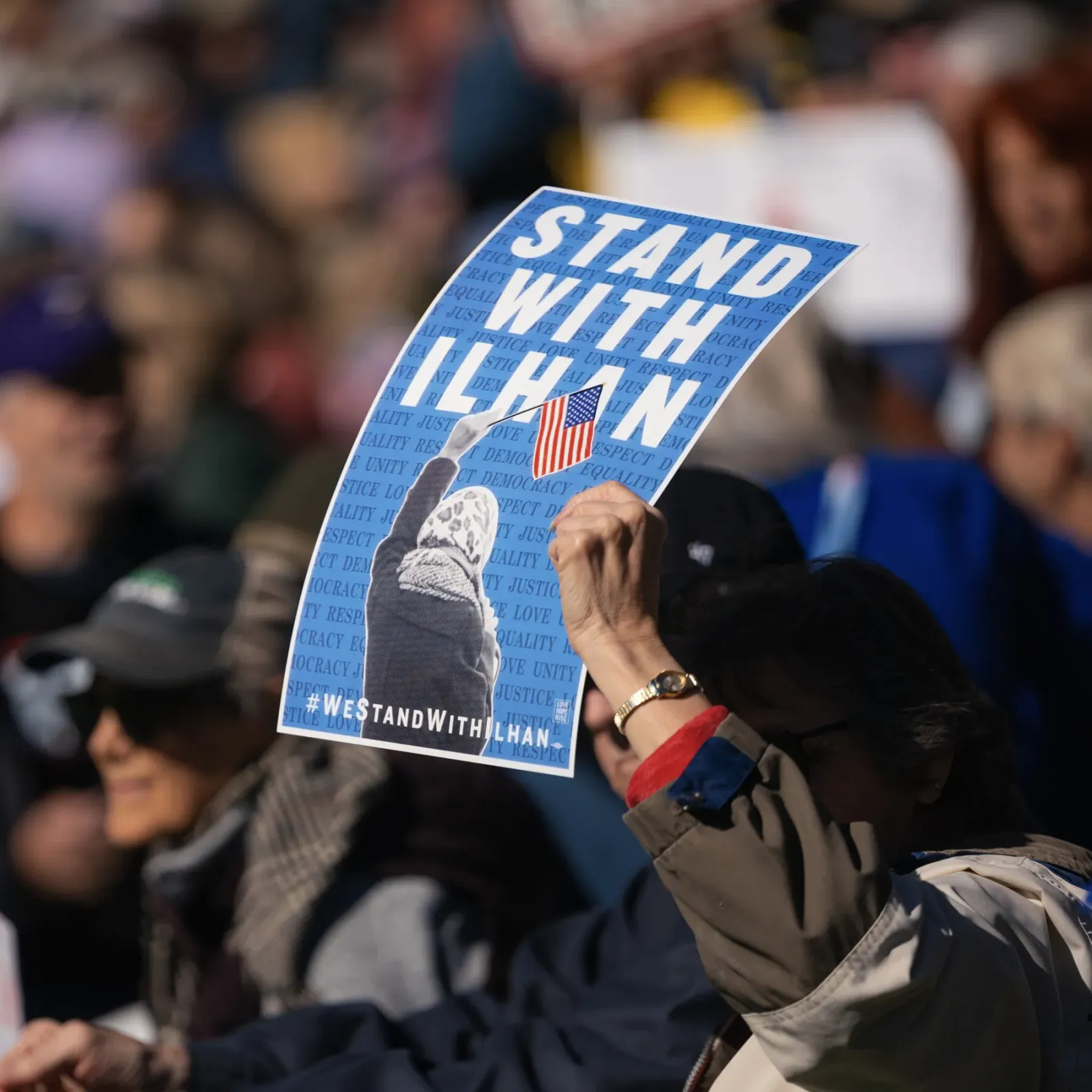
Obama Defends Ilhan Omar After Agents Search Her Home in Trump Inquiry
The former president's intervention raises the stakes in a federal probe into immigration paperwork that has put a prominent progressive lawmaker in the crosshairs.

Blair-era minister: cut welfare to fund youth job support
Alan Milburn's call for welfare cuts to fund employment support opens a Labour fight over benefits and the Neet crisis.

Hot September CPI: energy costs surge, voters feel the squeeze before midterms
The latest inflation print lands as Trump campaigns for GOP control of Congress, putting cost-of-living worries at the center of the midterm fight.