

Prediction markets pass $197M on midterm bets, NBC News finds
A new NBC News analysis shows Kalshi and Polymarket attracting nearly $200M in election wagers across 1,408 open markets.
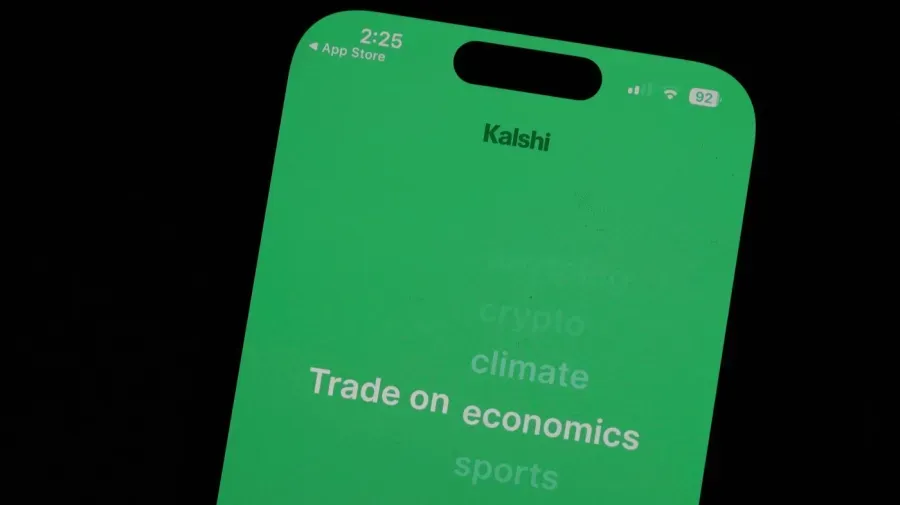
NBC News reported that prediction market users have wagered in excess of $197 million on midterm election results. The findings, based on 1,408 open markets on Kalshi and Polymarket, raise immediate questions for executives about demand, regulation, and operational risk.
Users on prediction markets have wagered in excess of $197 million on midterm election results, according to an NBC News report published Friday. NBC News said it analyzed 1,408 open markets on Kalshi and Polymarket. That is a lot of money to be trading on outcomes that most people still think of as politics, not as a market.
The key point for decision-makers is simple: this is not a niche side activity. NBC News’s market-counting exercise suggests the user base is large enough to sustain thousands of active contracts across two platforms, and the total wagered so far is close to $200 million as of Sunday. In other words, the “is this real?” debate is getting replaced by “how do we handle it?”
To understand why this matters, zoom out to how prediction markets work in practice. Platforms like Kalshi and Polymarket list many individual contracts, each tied to a specific outcome. Users place bets that pay out depending on what ultimately happens. NBC News notes that on both platforms, users can bet on topics including sports, global events, and political elections. Election contracts are just one category, but they attract attention because they connect money, information, and uncertainty in a way that is easier to measure than, say, news sentiment.
The market structure is also why NBC’s “open markets” detail matters. If you are tracking demand, you can look at contracts as a proxy for what users want exposure to. NBC News analyzed 1,408 open markets, which implies that users are not only betting on one headline result. They are engaging with a wide range of election-related claims across many contract types. That kind of breadth can turn political uncertainty into a form of ongoing pricing, with traders continuously updating positions as new information appears.
For executives, the second-order implications cut in three directions.
First, there is the operational and risk angle. Prediction markets involve settlement, pricing, and dispute handling tied to real-world outcomes. When volumes reach the scale NBC News describes, even small process issues become bigger problems, because failures can affect many users and create reputational risk for the platform operators and any partners. High wager totals also raise the stakes for internal controls around monitoring, fraud prevention, and accurate resolution.
Second, there is the regulatory framing angle. Prediction markets have lived in a regulatory gray area for years, and the politics category intensifies scrutiny because it intersects with public discourse. Even without additional details in the NBC News summary, the sheer size of election wagering can change how regulators look at these platforms, how they communicate with them, and what compliance expectations they raise. When the market grows fast, oversight often follows.
Third, there is the capital and product strategy angle. A near-$200 million election bet pool does not just reflect curiosity. It indicates that a meaningful portion of users believes they can express views and potentially profit. If your company operates adjacent to financial products, analytics, trading infrastructure, or media, those behaviors can influence how you design offerings and how you think about data rights and distribution. Election outcomes become not only news, but a traded input into broader consumer and investment behavior.
It also raises an uncomfortable question for boards and executives at traditional election-adjacent businesses and financial platforms: what happens when “who knows what” gets replaced by “what does the market price?” Even if you think prediction markets are imperfect, a market with $197 million of wagers and 1,408 open contracts cannot be dismissed as irrelevant. People are acting with money, not just opinions.
Finally, there is a competitive and partnership question. The NBC News report specifically points to Kalshi and Polymarket. That means two named platforms are already handling enough election trading to draw major newsroom attention. If you are an executive evaluating partnerships, integrations, or investment in the prediction market space, you should take seriously that demand is showing up in real numbers, not just press coverage. The strategic stakes are straightforward: scale brings opportunity for revenue and product adoption, but it also brings higher operational expectations, higher compliance scrutiny, and higher reputation exposure.
In the coming election cycles, “prediction markets” will likely remain less like a novelty and more like an organized marketplace for uncertainty. NBC News’s $197 million snapshot and the 1,408 open markets count are an early indicator of where the money is moving. For leaders, the challenge will be to decide whether to treat it as a trend to monitor or a market reality that changes how decisions get made around information, risk, and trust.
This story's Key Insights and Take-aways are locked.
Create a free account to unlock Executive Actions for one credit.
Register to UnlockAlways free for Executives Club members. Join the Club
More in Business
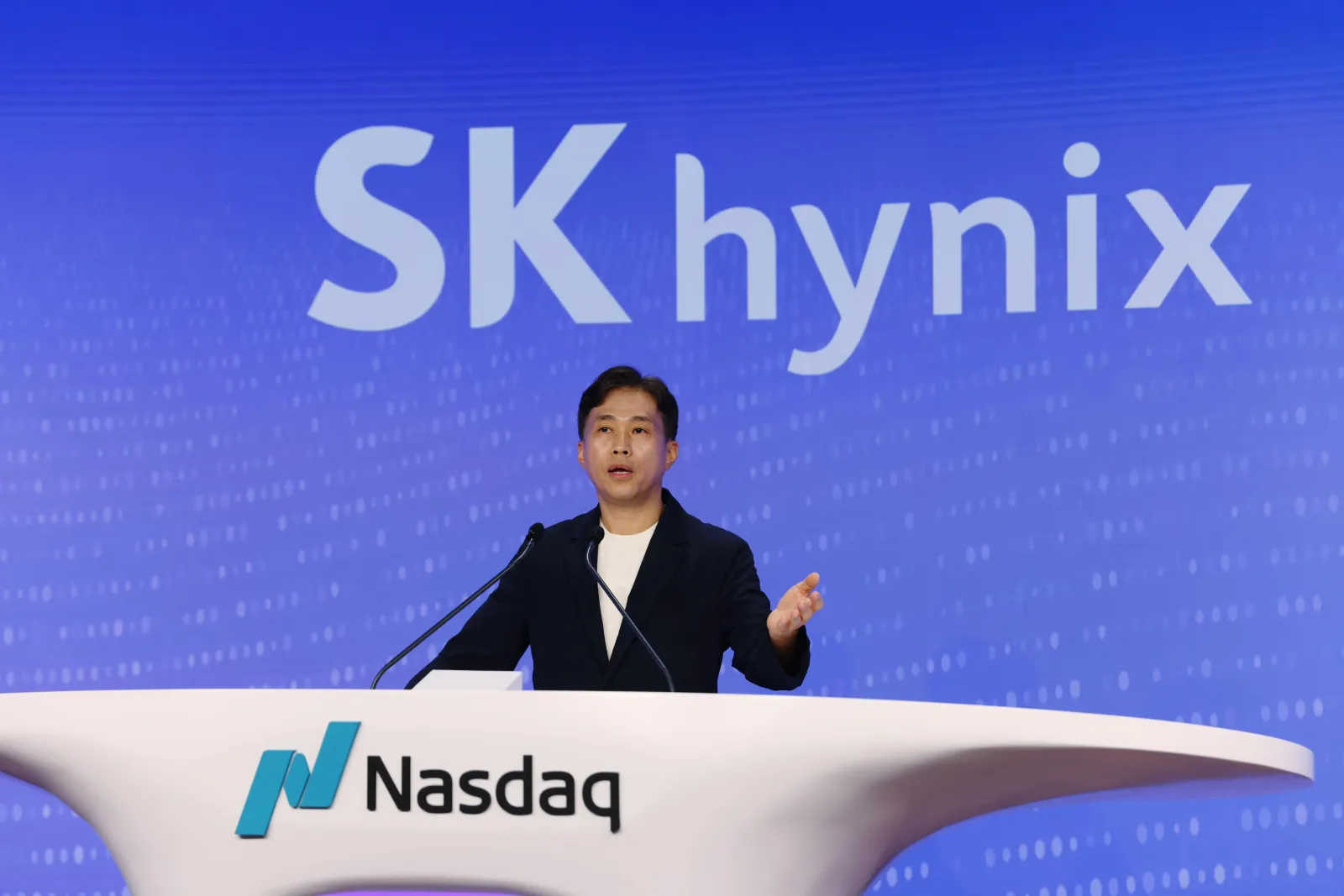
SK Hynix opens at $170, raises $26.5B, and tops foreign IPO records
In Friday's Wall Street debut, SK Hynix turns AI RAM demand into a $26.5B fundraising moment that rewrites comps.
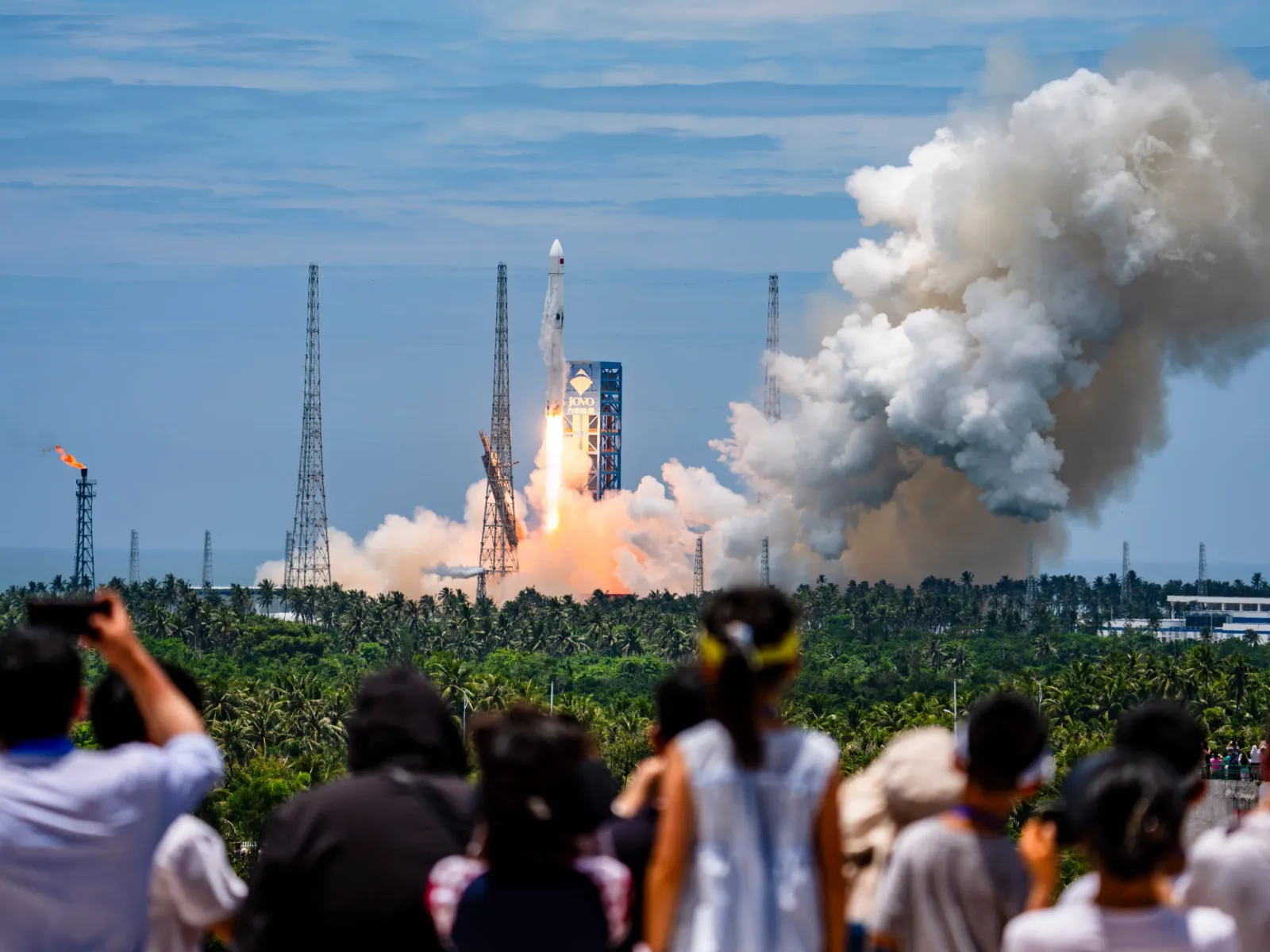
China lands a reusable Long March booster, a first that matches SpaceX and Blue Origin
A barge landing and net-based recovery move China from theory to proof, reshaping the reusability race and satellite ambitions.

AstraZeneca $27B wipeout as Wainua late trial misses cardiovascular target
A failed late-stage heart study triggered a swift market punishment, forcing investors and boards to reset timelines and risk.