
Prime Minister Burnham vows to be “relentless” on small boat crossings
He promises tougher enforcement, then immediately argues the UK also needs more safe routes in.
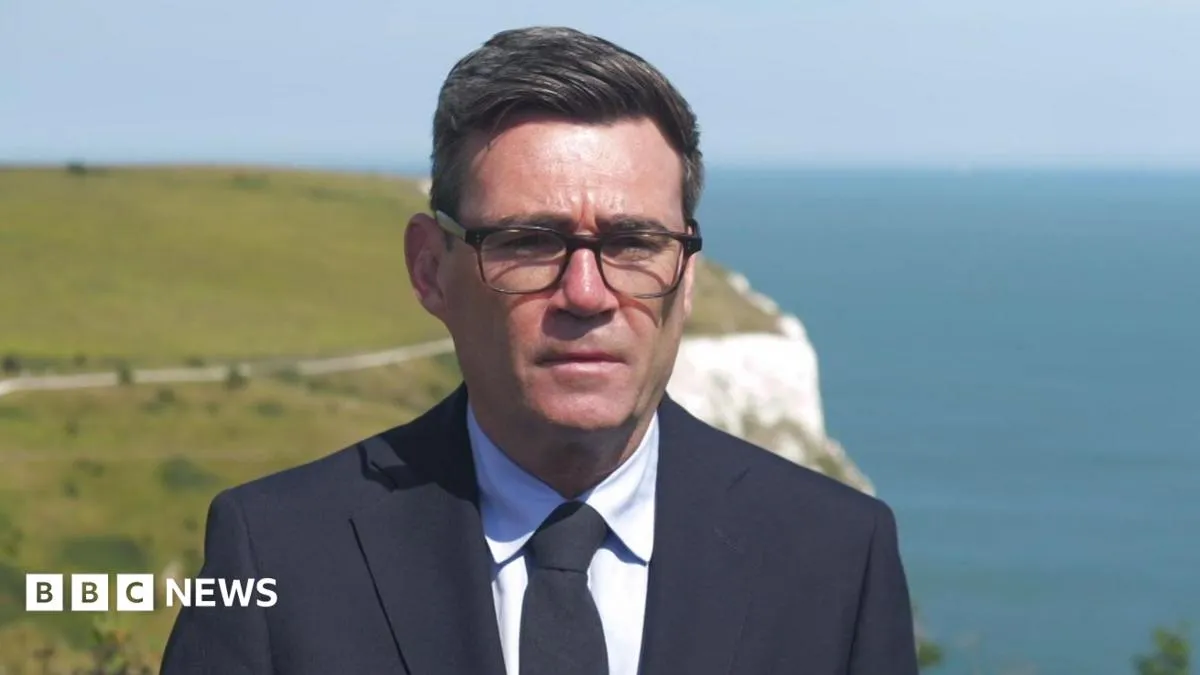
Prime Minister Burnham says enforcement against small boat crossings will increase, while emphasizing the need for more safe routes into the UK. For decision-makers, the shift matters because border policy will now be judged on both crackdown and alternatives.
Prime Minister Burnham has pledged to be “relentless” in curbing small boat crossings. In the same breath, he also says enforcement is increased, but the UK needs more safe routes into the country.
That dual message is the whole plot: it is not just a tighter border, it is a tighter border paired with a pathway that is supposed to reduce the incentives for dangerous sea journeys. Burnham is effectively telling the public and political opponents that enforcement alone will not “solve” the problem, even as it becomes more aggressive.
To understand why that framing is important, you have to remember what small boat crossings represent in practice. They are not only a border control headache. They are also a supply chain for criminal networks that profit from people smuggling, the kind of organized activity governments spend years trying to disrupt. When governments increase enforcement, they can disrupt operations in the short term. But if would-be arrivals have no legal, safe alternative, the underlying demand remains. That is where “more safe routes” comes in as the second leg of the policy stool.
Burnham’s approach also fits a familiar political and operational pattern. Leaders often face pressure to show immediate action, especially when the issue is visible and emotionally charged. That is where “increased enforcement” lands. But leaders also have to respond to the longer-term critique that enforcement without alternative routes can simply redirect flows, rather than shrink them. By pairing the two, Burnham is trying to close the argument from both directions: yes, the government will clamp down; also, it will create a credible option that does not require people to risk their lives at sea.
There is a regulatory logic behind this, even if the politics make it messy. Enforcement actions can be tightened through policy, staffing, and coordination among agencies responsible for immigration processing, maritime operations, and border security. Yet for safe routes to function, the system has to be able to move people through lawful channels. That means bureaucratic capacity, clear criteria, and processes that can scale. If the lawful pathways do not work, enforcement will get blamed for pushing people toward the most dangerous options.
This is also a story about incentives, and incentives are where second-order effects start to appear. For people smuggling networks, the “product” is access and transport. If enforcement tightens but the alternative stays unrealistic, smugglers may adapt by changing routes or timing, and by raising the prices people pay. If safe routes expand in a way that is usable and credible, the profitability equation can shift. Burnham’s promise to increase enforcement while also calling for safe routes is, in effect, an attempt to interrupt both the disruption side and the demand side.
For decision-makers watching from outside government, there is an operational lesson here. Even when a policy headline sounds straightforward, implementation determines outcomes. Enforcement measures can be announced quickly, but they require sustained resourcing. Safe route expansions can sound humane, but they still require administrative throughput and coordination across departments and agencies. If either side lags, the policy can underperform and become a political liability. Burnham’s statement sets expectations that both legs will move.
Strategically, peers in similar roles should take note of how Burnham is managing the narrative: he is trying to avoid being boxed into a single lever. The “relentless” language signals urgency and persistence, while the immediate mention of safe routes acknowledges the critique that enforcement alone is insufficient. That combination is likely to shape how the policy will be debated going forward, with supporters emphasizing deterrence and opponents focusing on whether legal routes are truly available.
In short, Burnham’s pledge is not just about cracking down on small boat crossings. It is about building a policy package that can withstand scrutiny from both camps, and that can actually reduce the number of crossings by making the risky path less necessary. The stakes are that the government will be judged on results across both enforcement and alternatives, not one without the other.
This story's Key Insights and Take-aways are locked.
Create a free account to unlock Executive Actions for one credit.
Register to UnlockAlways free for Executives Club members. Join the Club
More in Politics
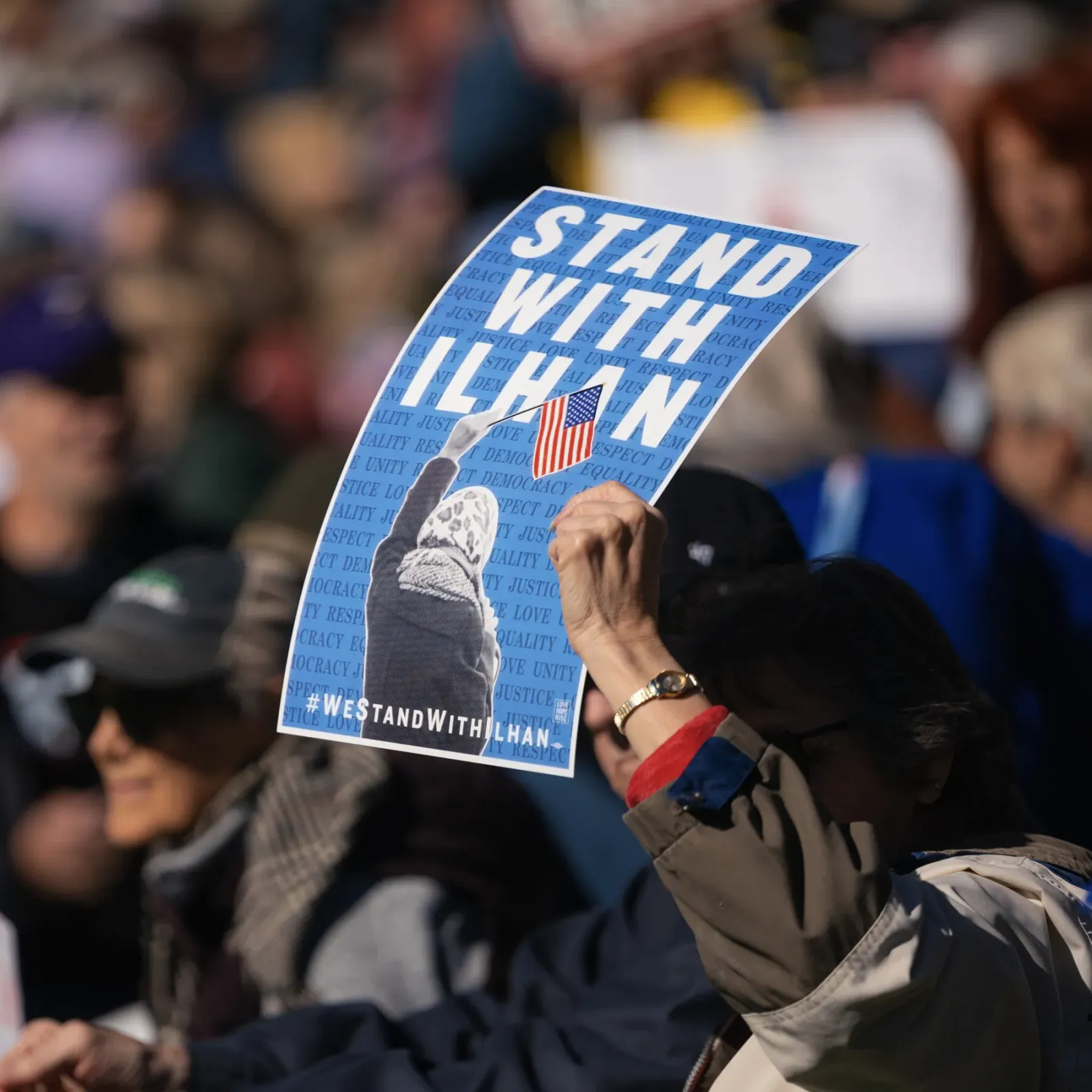
Obama Defends Ilhan Omar After Agents Search Her Home in Trump Inquiry
The former president's intervention raises the stakes in a federal probe into immigration paperwork that has put a prominent progressive lawmaker in the crosshairs.

Blair-era minister: cut welfare to fund youth job support
Alan Milburn's call for welfare cuts to fund employment support opens a Labour fight over benefits and the Neet crisis.
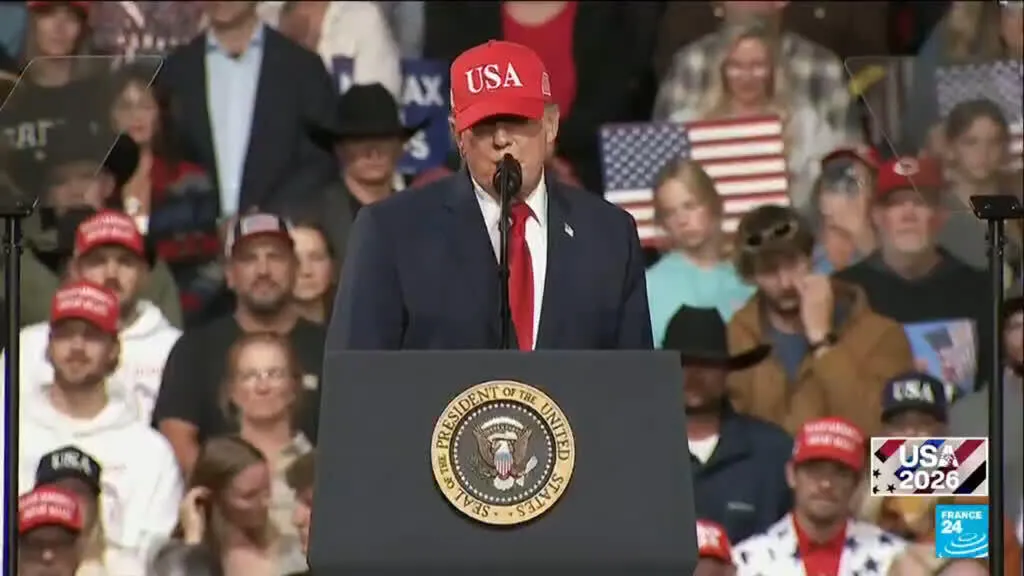
Hot September CPI: energy costs surge, voters feel the squeeze before midterms
The latest inflation print lands as Trump campaigns for GOP control of Congress, putting cost-of-living worries at the center of the midterm fight.