
Prime Video adds Project Hail Mary on July 3, widening MGM+ exclusivity’s reach
Amazon confirms a Prime Video arrival date, after a prior MGM+ window raised questions for streaming subscribers.
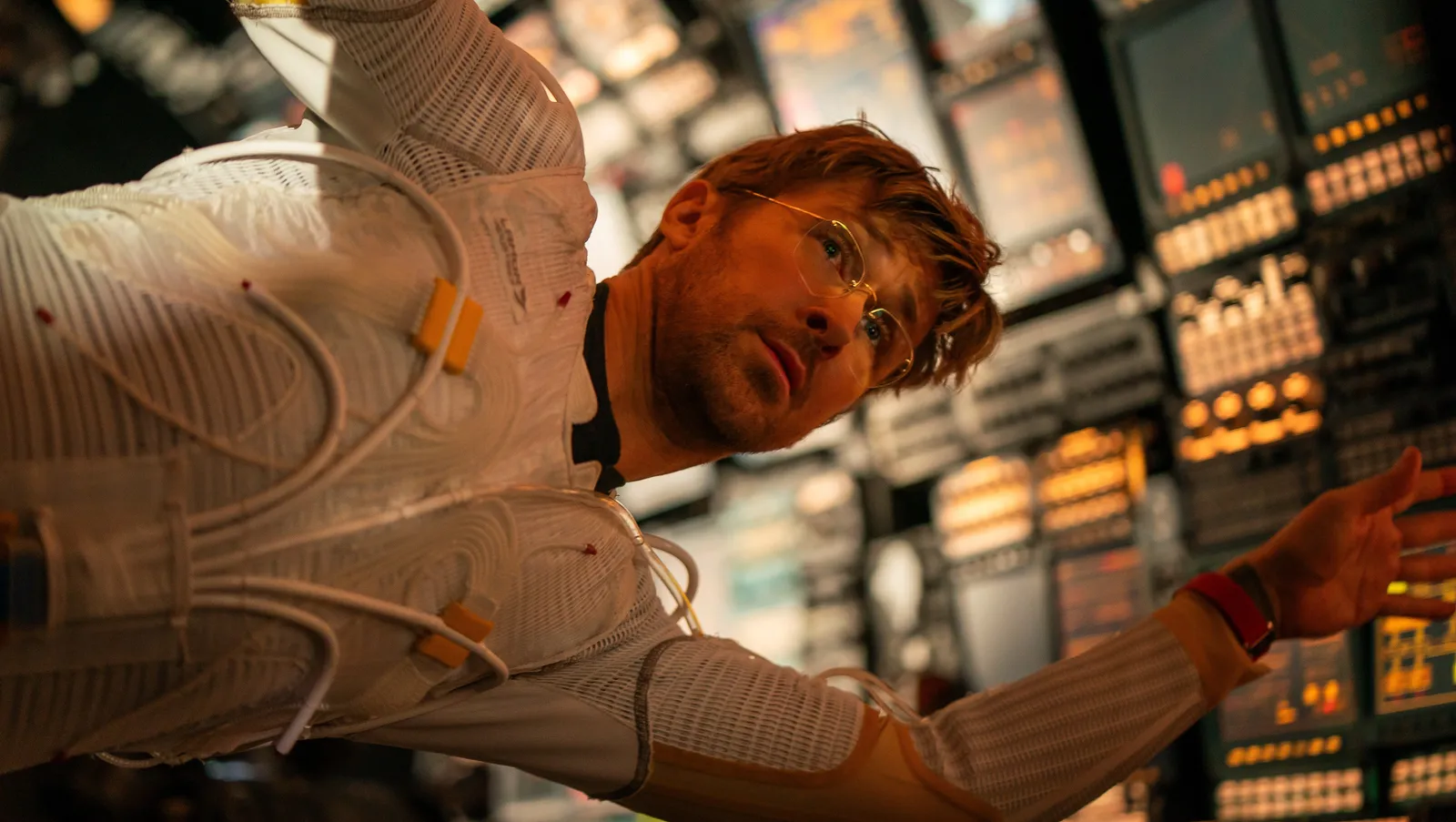
Amazon confirmed Project Hail Mary will come to Prime Video on Friday, July 3. The move matters to decision-makers because it changes how Amazon monetizes windowing, ads-free pricing, and cross-service exclusivity.
Amazon has confirmed that Project Hail Mary is coming to Prime Video on Friday, July 3. This lands only weeks after the sci-fi blockbuster became available on MGM+ on June 18, and it immediately answers the lingering question: why would a title with mainstream pull be tied to a lesser-known streaming service first?
The release date was announced through a Prime Video video clip tagged “Having a Moment.” In it, Ryan Gosling’s character Ryland Grace repeats Rocky’s excited exclamation, “It is time go!” as a celebration of the film’s streaming release. But here is the key detail that actually changes how you think about the deal: this is not the film’s streaming debut. Project Hail Mary first landed digitally after more than 50 days in theaters, then hit MGM+ on June 18, and now it gets a Prime Video on-ramp on July 3.
So what does Amazon get by widening availability now? The source notes that there was some confusion when the film reached streaming on MGM+ and not immediately on Prime Video. The plausible incentive, as described, is subscriber lift. MGM+ exclusivity can create a temporary “go” moment for viewers who might not otherwise pay attention, and exclusive windows have historically been used to drive subscriptions and reduce churn. However, the source also flags that it is not entirely clear whether Amazon planned all along for Project Hail Mary to stream on both services, or whether the Prime Video rollout reflects how the movie has been performing as an MGM+ exclusive.
That uncertainty is exactly why this update is valuable to executives and board members. Windowing is not just a scheduling tactic, it is a revenue and strategy lever. If MGM+ exclusivity underperforms, the rational response is to broaden distribution to capture a wider audience before box office momentum fades fully. If MGM+ exclusivity overperforms, Amazon still gains by using the later Prime Video window to convert skeptics who refuse to join a second subscription just for one movie. Either way, the “July 3” timestamp is a signal that Amazon is willing to recalibrate.
There is also a pricing layer here, and it is very specific. Prime Video recently rebranded its ad-free tier to Prime Video Ultra, which adds support for streaming in 4K Ultra HD. The catch: the plan’s price increases by $2/month. Subscribers who want to watch Project Hail Mary without ads must pay an additional $4.99/month on top of the standard $14.99 Prime membership cost.
That changes how the same content can be monetized depending on user intent. Some viewers will accept ads to keep the base subscription value proposition intact. Others will pay for the Ultra tier experience. Either way, Amazon turns catalog distribution into a ladder: wider availability brings in new viewers, while the ads-free option monetizes those who want premium playback. For decision-makers, the second-order implication is straightforward: distribution decisions now need to be modeled alongside tier segmentation, not treated as independent levers.
The announcement also follows related physical-media and franchise signals. The source states that Project Hail Mary has a confirmed Blu-ray release date, and there is a reveal of a limited edition steelbook. Those details matter because they indicate long-tail demand is being managed across channels, not just streamed once and forgotten. Meanwhile, there are already talks of expanding the novel adaptation into a wider franchise, and Amazon and Maze Studios have announced a “mixed reality” experience titled Project Hail Mary: Journey Among the Stars, releasing later this year. The author Andy Weir is participating, with the project described as “expands what happens outside of the book.”
Zooming out, Project Hail Mary is positioned as a commercially meaningful title. The source says it is currently the third highest grossing movie of the year. That context is important for peers because it suggests Amazon is handling a high-signal asset, not a niche release. High performers become bargaining chips across distribution platforms, and they also become anchors for brand extensions. When a title like this moves from MGM+ to Prime Video, it is not just “more places to watch.” It is a recalibration of what counts as prime inventory, and it is a reminder that exclusivity windows are tools, not vows.
For operators and investors watching streaming economics, the strategic stakes are clear: the value of a content deal is not locked at acquisition. It evolves with distribution, tiering, and timing. Amazon’s July 3 addition of Project Hail Mary provides a live case study in how a major studio can widen reach, monetize ads-free tiers, and keep franchise momentum moving, all while responding to real-world outcomes rather than sticking rigidly to an initial plan.
This story's Key Insights and Take-aways are locked.
Create a free account to unlock Executive Actions for one credit.
Register to UnlockAlways free for Executives Club members. Join the Club
More in Entertainment

Russell Brand's accuser 'bewildered and confused' as he denies 7 sex charges
The criminal case against the comedian is a live test of how media companies manage talent risk when serious allegations go public.

'It's a Magic Trick': Ballet Experts Say Rosalía's SNL Pose Is Impossible
Three ballet experts tell Rolling Stone Rosalía's gravity-defying SNL stillness shouldn't be possible - and why the debate is now part of the show.

Activision CMO: GTA 6 Will Boost Call of Duty, Not Bury It
Activision's top marketer says Rockstar's blockbuster will drive players back to consoles and into Modern Warfare 4, even as the company admits its recent strategy failed.