
Protein limits lengthen rodent lives nearly 120 days, but humans are a different biology
A new review argues that beyond-needed protein can speed metabolic problems, yet translation to people is far from settled.
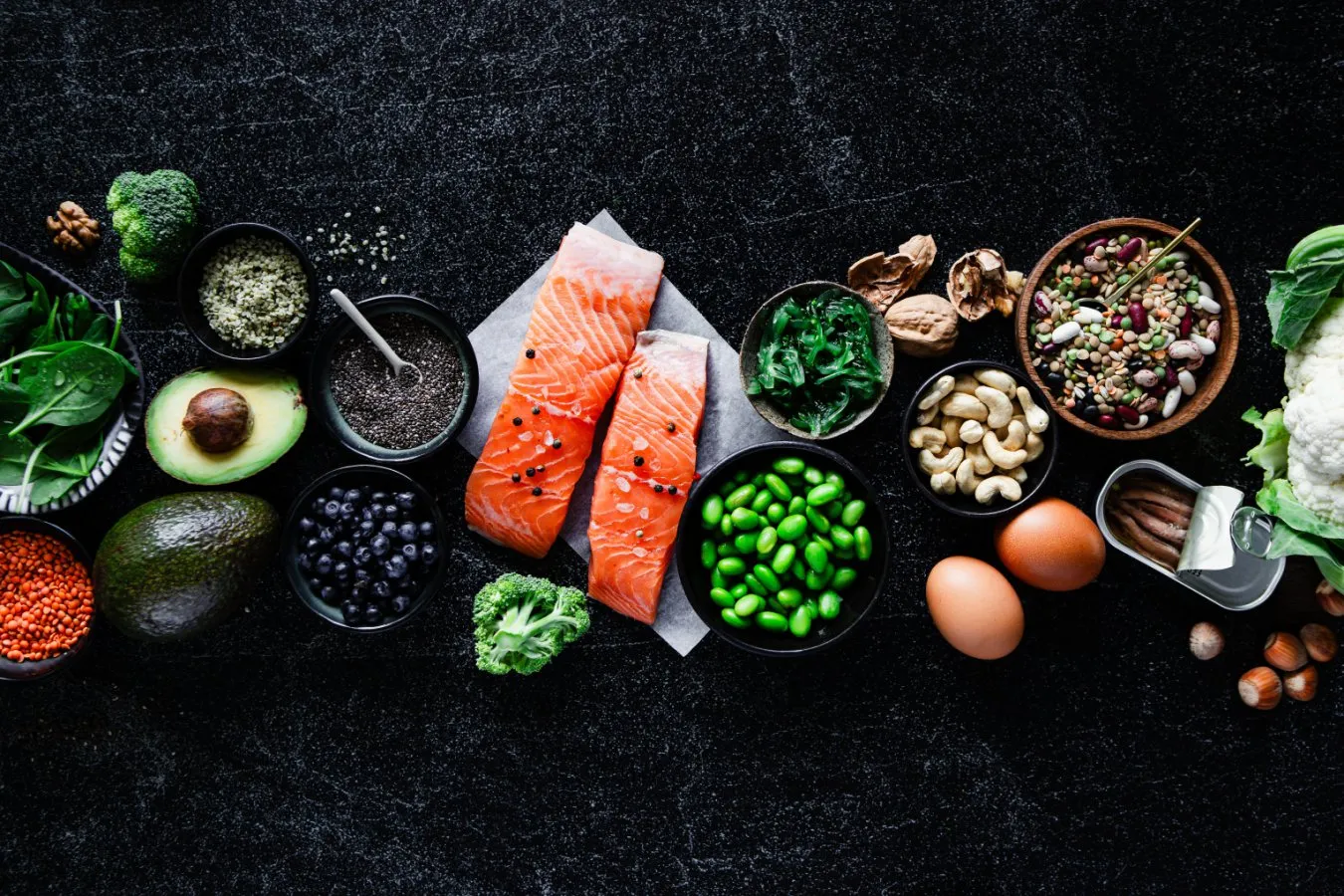
Dudley Lamming of the University of Wisconsin-Madison led a review that examined more than 300 mostly sedentary-rodent studies on protein restriction and ageing, including a finding where rats on minimum protein lived nearly 120 days longer than those eating about double. For decision-makers, the strategic implication is simple: the protein trend is not automatically “anti-aging,” and the evidence base differs sharply by activity level and species.
Protein is everywhere, from cereal to crisps to coffee. But a growing body of evidence, largely from non-human animals, keeps circling a provocative question: if you restrict protein to the minimum needed, can you slow ageing and extend lifespan? In the latest review of that evidence, Dudley Lamming at the University of Wisconsin-Madison argues that the answer depends on whether someone is sedentary and whether intake rises beyond what is needed.
The headline fact in the review is stark in rodent terms. Lamming and colleagues report that rats eating around the minimum protein intake lived nearly 120 days, which the article describes as more than 50 percent longer than rats that ate about double that amount. In the same synthesis, the “double that” level lines up with recent U.S. dietary guidance for optimal health: 1.2 to 1.6 grams of protein per kilogram of body weight. The minimum benchmark referenced from U.S. guidelines is 0.8 grams per kilogram. So the question is not “protein good or bad?” It is “what happens when protein intake moves from minimum to above-needed, especially without exercise?”
Why would reducing protein stretch lifespan in animals? The review points to two mechanisms seen in rodents. First, protein restriction increases levels of the hormone FGF21. In animal studies, FGF21 acts on the brain, fat tissue, and the liver, improving blood sugar levels and reducing the number of senescent cells. These are age-accumulating cells that stop dividing and are linked to chronic inflammation. Second, restricting protein dampens mTORC1 activity in mice. The biology here is plain: mTORC1 normally stimulates cell growth, but lowering its activity shifts cells away from heavy metabolic “proliferative” activity and toward repair, with the review noting that this reduces the risk of age-related conditions and extends lifespan in mice.
This is where the executive-relevant tension lives. The protein trend many people are riding is not aimed at deficiency. It is aimed at “optimal health,” muscle repair, and body composition. Lamming’s interpretation is that the trend to increase protein is probably fine among people who exercise regularly, because exercise creates muscle damage that protein can help repair. For sedentary individuals, however, Lamming says eating more than is needed could cause harm. That distinction matters because it flips how you should read nutrition studies: the same number on a label might not mean the same biological effect if the activity context is different.
But translation risk cuts both ways. Donald Layman at the University of Illinois Urbana-Champaign pushes back on how directly animal results carry into humans. He highlights huge species differences in protein metabolism. For example, mTORC1 is activated by feeding, and the article notes that people tend to eat a few big meals per day, while rodents graze more regularly. That feeding pattern could change how protein restriction influences mTORC1 pathways across species. Layman also argues that lab animals are not exposed to many real-world ageing accelerators, like infections and extreme heat, and that these environmental factors could matter in human outcomes. On top of that, he says the review does not include most of the human studies that suggest higher protein intake beyond the minimum can reduce the risk of frailty. Dudley responds to the “omission” criticism by stating that no studies were intentionally left out, and that the team focused on protein restriction rather than the separate body of work on higher protein intake.
The paper also lands in the middle of a bigger human debate: what counts as “anti-aging” in nutrition? The review acknowledges that beyond building muscle and preventing frailty, evidence is mixed on whether higher protein intake helps with ageing. One cited example is a study linking higher protein to a reduced risk of age-related muscle loss, or sarcopenia, among older twins in the UK. But Elizabeth Williams at the University of Sheffield in the UK notes that sarcopenia rates were so low that the link is unreliable. Another angle comes from research on amino acids rather than total protein. The article says some studies showed that restricting certain amino acids, specifically isoleucine and valine, which are highest in meat, fish, and dairy, in mice produced a similar effect to limiting overall protein intake.
If this review’s logic holds, it also points toward where future investment and product strategy could concentrate: not just “more protein,” but precision around what is being increased, who it is for, and how it interacts with metabolic pathways. The review mentions Philip Atherton at Nottingham University, UK, who says he is planning a study to investigate whether drugs that deplete specific amino acids in people can improve outcomes like blood sugar control, with results expected in the next few years. That is a subtle but important second-order implication for executives and boards. The conversation is migrating from diets toward targeted interventions that aim at pathway-level changes, not just calorie-level macros.
For leaders in food, health platforms, and nutrition-adjacent capital allocation, the stakes are straightforward. Protein is not a niche nutrient anymore; it is a consumer default. But this review reinforces that the “right” protein level may be conditional, with exercise status, species biology differences, and mechanistic pathways shaping outcomes. The strategic risk is overgeneralizing animal lifespan findings into human marketing promises. The strategic opportunity is using the uncertainty itself as a map: fund the studies that clarify the human effect sizes, focus on subgroups where “beyond-needed” intake might matter, and track the next wave of pathway-focused research backed by Cell Press, Blue, DOI: 10.1016/j.cpblue.2026.100079 (Cell Press Blue), as the evidence base keeps evolving.
This story's Key Insights and Take-aways are locked.
Create a free account to unlock Executive Actions for one credit.
Register to UnlockAlways free for Executives Club members. Join the Club
More in Science

Alaska's 1,580-foot tsunami had warning signs. Scientists just found them.
Rapid glacier retreat, heavy rainfall, and thousands of tiny tremors preceded Alaska's 1,580-foot tsunami, a warning for every coastal community in a warming world.
The rare mutation that lets high-risk brains dodge Alzheimer's
Scientists found a natural defense against protein buildup, opening a new path to preventive treatments.

3,000 steps a day may halve Alzheimer's decline, study finds
New research links a modest daily walk to less tau buildup and nearly half the cognitive and functional decline, even for those with early signs.