

Protests forced Zelensky to reverse a firing, proving Ukraine still runs on public pressure
A mass “cardboard Maidan” pushed Zelensky to back away from removing a popular minister, reshaping how leaders govern under scrutiny.

Ukraine’s mass protests, framed as a “cardboard Maidan,” forced President Volodymyr Zelensky to reverse course on the firing of a popular minister. For decision-makers, it is a live case study in how legitimacy and public sentiment can override top-down personnel decisions.
Ukraine’s version of a “Maidan” did not depend on brute force or tanks. It relied on something quieter and more stubborn: crowds. According to Foreign Policy, mass protests forced President Volodymyr Zelensky to reverse course on the firing of a popular minister. The story is simple on the surface. The political meaning is not.
The first thing to understand is the reversal itself. Zelensky moved toward firing a minister who was widely viewed as popular, then pulled back after large protests. That sequence matters because it shows the direction of causality, not just the outcome. The protests were not decor. They were pressure applied to the executive decision-making loop until the loop re-routed.
In corporate terms, it is like a CEO making a personnel call, the board seeing immediate reputational risk, and then stakeholders making that risk unignorable. In Ukraine’s case, the stakeholder is the public. When the public signals it is watching, it changes what “manageable” looks like. Leaders can still make decisions, but the cost of a misread rises quickly. A firing that might be defensible on paper can turn into a governance problem in the streets. That is what makes the “cardboard Maidan” reference feel more than symbolic. Even if the protests are staged with an unusual look, the core mechanism is the same: public legitimacy becomes a real constraint.
There is also a broader incentive story here. Executives and governments operate under a constant tug-of-war between administrative logic and political survival. The administrative logic is usually neat. Appoint or remove officials, streamline performance, restore order, execute a plan. Political survival is messier. It depends on how people experience the plan, how quickly they feel the plan’s impact, and whether they believe the leader is acting in their interest. Zelensky’s reversal signals that, at least in this moment, public perception had moved from background noise to front-page risk.
For decision-makers, this is not only about one minister or one protest. It is about the governance environment that leaders are operating in. When mass protest can force a reversal, the system becomes less about unilateral discretion and more about feedback loops. That has second-order effects. Teams inside government will adjust their risk calculations. Advisors will be more cautious about proposing moves that could trigger public backlash. Communications departments will treat “social temperature” as an operational metric, not just a branding issue.
If you are thinking like an investor, the message is similar but with different language. In environments where public consent can quickly rewrite executive outcomes, political volatility becomes a parameter. That does not mean chaos. It means that policy and appointments may shift faster than formal processes suggest, because legitimacy is contested in real time.
And if you are thinking like a board, the takeaway is even sharper. Boards, whether formal or informal, exist to prevent leaders from being blindsided by downstream consequences. In Ukraine, the downstream consequences were externalized through protest, not internal governance. That is a reminder that oversight is not only an internal control system. It can also be crowd-sourced. When the public mobilizes, it functions like an external audit with a loud microphone.
Foreign Policy’s framing that “the people still matter” is the payoff. Not in an abstract democratic way, but in a practical decision-making way. Zelensky did not ignore the protests, at least not long enough for the firing to stick. He reversed course, which means leaders who want to move quickly still have to move with public gravity in mind. For any executive operating in a high-scrutiny, high-stakes environment, the lesson is plain: legitimacy is not a vibe. It is an input variable that can change what decisions survive.
This story's Key Insights and Take-aways are locked.
Create a free account to unlock Executive Actions for one credit.
Register to UnlockAlways free for Executives Club members. Join the Club
More in Politics
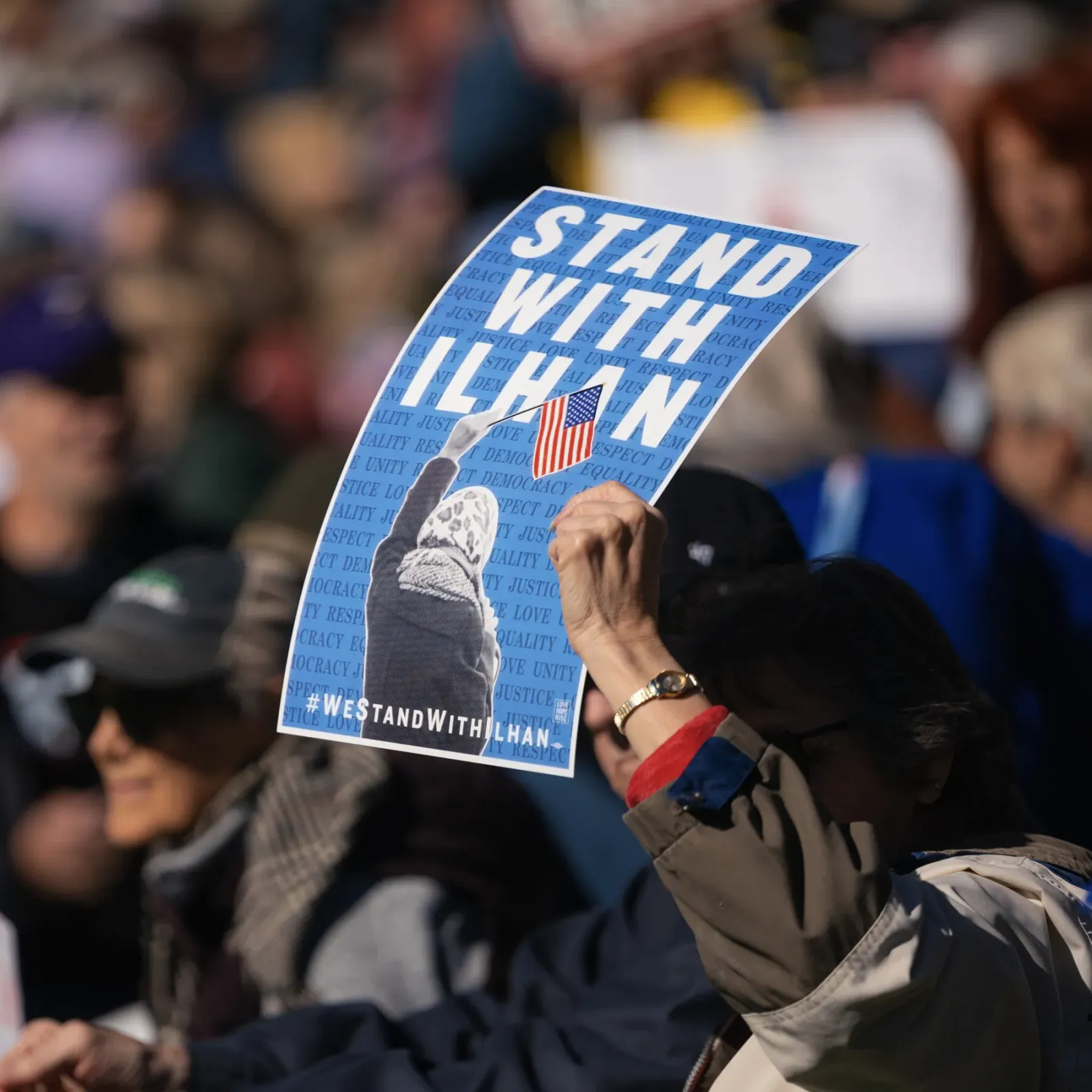
Obama Defends Ilhan Omar After Agents Search Her Home in Trump Inquiry
The former president's intervention raises the stakes in a federal probe into immigration paperwork that has put a prominent progressive lawmaker in the crosshairs.

Blair-era minister: cut welfare to fund youth job support
Alan Milburn's call for welfare cuts to fund employment support opens a Labour fight over benefits and the Neet crisis.
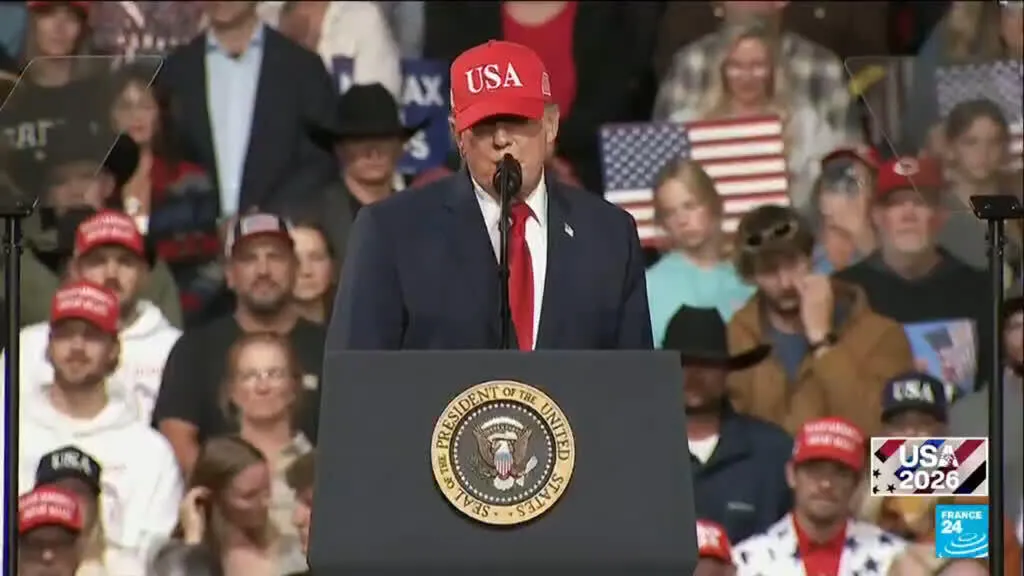
Hot September CPI: energy costs surge, voters feel the squeeze before midterms
The latest inflation print lands as Trump campaigns for GOP control of Congress, putting cost-of-living worries at the center of the midterm fight.