

PsiQuantum’s light-powered quantum computer needs 100 cabinets and every photon accounted for
The company claims a path to a useful quantum machine, built from light, precision measurement, and optical control hardware.

PsiQuantum, founded in 2016 by four physicists from UK universities, is building toward a massive quantum computer out of light. Its proposed architecture depends on roughly 100 stainless-steel cabinets filled with chips that direct and measure thousands of light particles.
PsiQuantum’s quantum computer is not a lab fantasy left to the imagination. MIT Technology Review describes a concrete blueprint: about 100 stainless-steel cabinets, each packed with chips that would send thousands of light particles through a maze of optical switches and beam splitters. The key twist is brutal in its precision. Each photon has to be accounted for. Exactly measuring where it ends up is supposed to help answer questions current computers might take millions of years to solve.
And here is the part that matters for decision-makers and skeptics alike: the machine, as described, does not exist yet. This is the plan, the target, and the engineering mountain. PsiQuantum, founded in 2016 by four physicists from UK universities, is positioning itself in a crowded field of deep-pocketed competitors with similarly fantastical visions, all aiming to be first to build a useful quantum machine.
To understand why this matters, zoom out for a second to how quantum “usefulness” is usually judged. Today’s quantum hardware is measured not by vibes, but by whether it can reliably produce answers to problems that matter, better than classical systems, within a practical timescale. The catch is that the “quantum” part is fragile. The more you try to scale, the more noise, loss, and control errors threaten to drown the signal. PsiQuantum’s architecture is essentially a high-stakes attempt to keep photons behaving like a disciplined workforce: steer them with optical hardware, split them and switch paths as needed, and then measure the result precisely enough to be computationally meaningful.
That’s why the details in the description are so telling. Optical switches and beam splitters sound like science-class optics until you remember the operational requirement: precisely measuring where each photon ends up. In a scaled machine, this becomes an orchestration problem across a lot of hardware. Around 100 cabinets holding hundreds of chips implies parallelism and modular scaling, not just a single experimental setup stretched on a bench. Thousands of light particles flying through a controlled optical maze also implies that the system is designed for many simultaneous events, where the measurement outcomes are the computational output. If you lose track of photons or introduce uncontrolled variability in their paths, the computation stops being “quantum advantage” and starts being “random statistics with extra steps.”
This plan also sits inside a competitive reality that is hard to overstate. MIT Technology Review frames PsiQuantum’s ambition as a race among “deep-pocketed competitors with similarly fantastical visions.” That phrase is not just style. In frontier computing, especially quantum, funding can buy time, talent, and prototypes. But it cannot buy certainty. Boards and investors know the central challenge: building prototypes is one thing, but turning them into systems that can run relevant workloads is another. And the described machine is explicitly not yet real. So the risk is not whether the vision is compelling. It is whether the engineering can survive contact with scale.
The optical, photonics-heavy approach matters here because it changes what kinds of bottlenecks you expect. Photons offer the promise of room to scale because light can be routed and manipulated, but the system still has to be engineered with extreme care around control and measurement. In other words, the “every photon accounted for” requirement is not only a scientific goal. It is also a reliability and throughput constraint. If the measurement pipeline, optical routing, and switch performance do not hold up as the system grows, the theoretical advantage can shrink into noise. If they do hold up, then PsiQuantum’s pitch moves closer to a real competitor in the “useful quantum” category.
Then there is the second-order implication that often gets missed in the hype cycle. When a company says it will solve questions classical computers might take millions of years to solve, the statement is doing two jobs at once: selling a potential leap in computation, and pulling capital into a long timeline of infrastructure building. That means competitors are not just racing on algorithms. They are racing on system design, manufacturing approaches, and measurement reliability. When your roadmap depends on precision optical control at scale, your execution cadence, supply chain planning for hardware components, and iterative testing strategy become just as important as your theoretical model.
Finally, tie this back to the broader newsletter context: this edition is also packed with stories about power costs, AI governance, and subsea engineering feats. The common thread is that the world is getting more physical and more constrained. Quantum hardware is not abstract. It is cabinets, chips, photons, optical pathways, and measurement. If PsiQuantum succeeds in building a useful quantum machine, it will not only change what quantum can do. It will also reset expectations for what “frontier computing” looks like in the real world, where precision, reliability, and scaling discipline decide who gets to claim the future.
For executives, founders, and investors watching frontier tech, the takeaway is simple but sharp. PsiQuantum’s plan is defined enough to evaluate, and hard enough to respect. The machine is not here yet. But the blueprint signals what it must become, and what will make or break usefulness when engineering stops being theoretical.
This story's Key Insights and Take-aways are locked.
Create a free account to unlock Executive Actions for one credit.
Register to UnlockAlways free for Executives Club members. Join the Club
More in Business

Epic and Google drop settlement bid, forcing rival Android app stores by July 22
Google told the court it is ready to carry third-party app stores starting Wednesday, July 22.
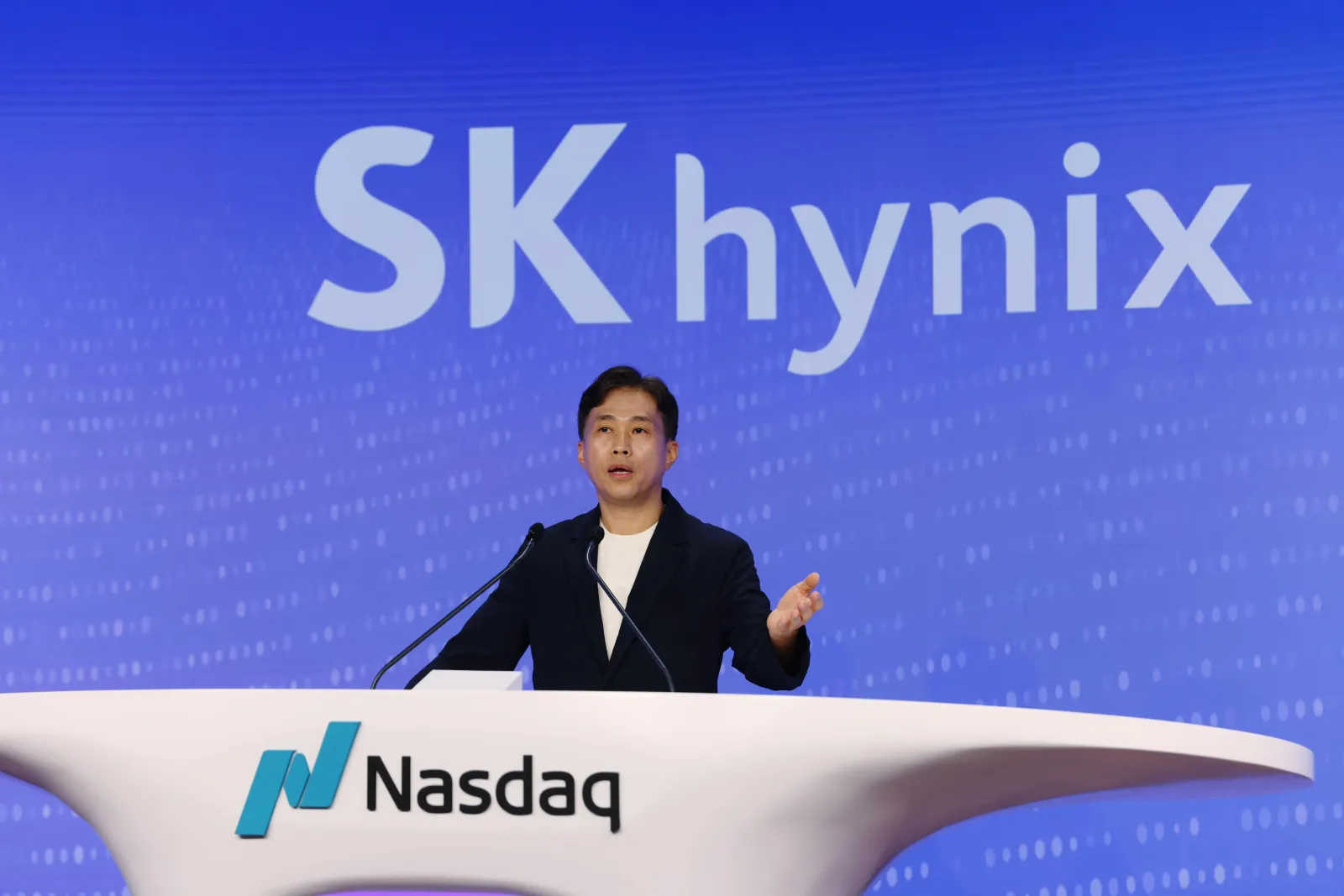
SK Hynix opens at $170, raises $26.5B, and tops foreign IPO records
In Friday's Wall Street debut, SK Hynix turns AI RAM demand into a $26.5B fundraising moment that rewrites comps.

China lands a reusable Long March booster, a first that matches SpaceX and Blue Origin
A barge landing and net-based recovery move China from theory to proof, reshaping the reusability race and satellite ambitions.