

Psyren anime arrives after 16 years, with Crunchyroll debut set for October 2025
The Weekly Shonen Jump supernatural hit finally gets a trailer, and executives should notice what long-tail IP can still unlock.

Toshiaki Iwashiro's Psyren, serialized in Shueisha's Weekly Shonen Jump from 2007 to 2010, has its first anime trailer and is slated for an October Crunchyroll debut in 2025. For decision-makers, it is a reminder that dormant manga IP can reactivate fast once distribution and timing align.
If you lived through the 2000s manga wave, Psyren probably feels like one of those “wait, why never?” titles. The supernatural battle series by Toshiaki Iwashiro was serialized in Shueisha's Weekly Shonen Jump from 2007 to 2010, and it sold well, with over 4 million copies. Still, fans waited 16 years for an anime adaptation. Now that wait is ending: Psyren has its first anime trailer, and the anime is set to debut on Crunchyroll in October 2025.
That 16-year gap is the whole story. It is rare for a property with strong commercial performance to go silent for that long, especially when the default industry pattern is faster. Most manga-to-anime conversions happen while the manga is still running. When they do not, you get the “catalog archaeology” problem. Psyren is a case study in how long-tail IP can stay valuable long after serialization ends, then reappear when the right studio, platform, and release window converge.
To understand why this matters beyond fan excitement, look at what an anime adaptation actually signals to the market. An adaptation is not just entertainment. It is a distribution decision, a marketing spend decision, and a rights and scheduling decision all at once. Crunchyroll is effectively staking attention on a series whose original publishing window is long past. That implies the platform believes there is audience demand it can reach now, not just nostalgia it can monetize once.
There is also an incentive shift over time. When a manga is actively serialized, the publisher and animation pipeline often want to ride the momentum. Psyren finished its run from 2007 to 2010, so it missed that same-period flywheel. Yet the fact it reached over 4 million copies sold suggests it was never purely niche. That blend, commercially proven but not continuously expanded in screen form, can turn into an opportunity later, when consumer tastes, recommender algorithms, and platform strategies create “second chances” for older IP.
This is where board-level thinking comes in. For executives evaluating media portfolios, Psyren challenges a simple rule of thumb: that only currently hot, currently serialized titles can become screen franchises. Instead, properties can remain investable because underlying demand does not vanish. It just waits. When a platform like Crunchyroll decides to move, the company is effectively turning an existing audience base and character library into a new product cycle.
And the product cycle matters because anime is a recurring engine, not a one-off. A successful adaptation can drive streaming discovery, licensing interest, and downstream catalog consumption, including sales of the original manga. Even without inventing specific revenue outcomes, the strategic mechanism is clear: screen adaptations provide a “new front door” for titles that already have a track record. Psyren's trailer and confirmed timing for October 2025 is the front door turning into a real opening.
There is also a competitive angle for peers in similar roles. If Psyren can land an adaptation after 16 years, then the set of candidate properties expands. Boards and leadership teams overseeing content pipelines may need to re-check assumptions about what counts as “too old” for conversion. The underlying lesson is not that every dormanted manga will get an anime. The lesson is that distribution platforms can change the math, and the math can change the day a trailer drops.
Bottom line: Psyren is getting an anime after a 16-year wait, with its first trailer already out and an October 2025 Crunchyroll debut. That is a concrete signal that dormant, high-selling Weekly Shonen Jump IP can still be reactivated. For decision-makers, it is a reminder to value catalog assets not only for legacy, but for the possibility of new, platform-led launches when timing finally clicks.
This story's Key Insights and Take-aways are locked.
Create a free account to unlock Executive Actions for one credit.
Register to UnlockAlways free for Executives Club members. Join the Club
More in Business
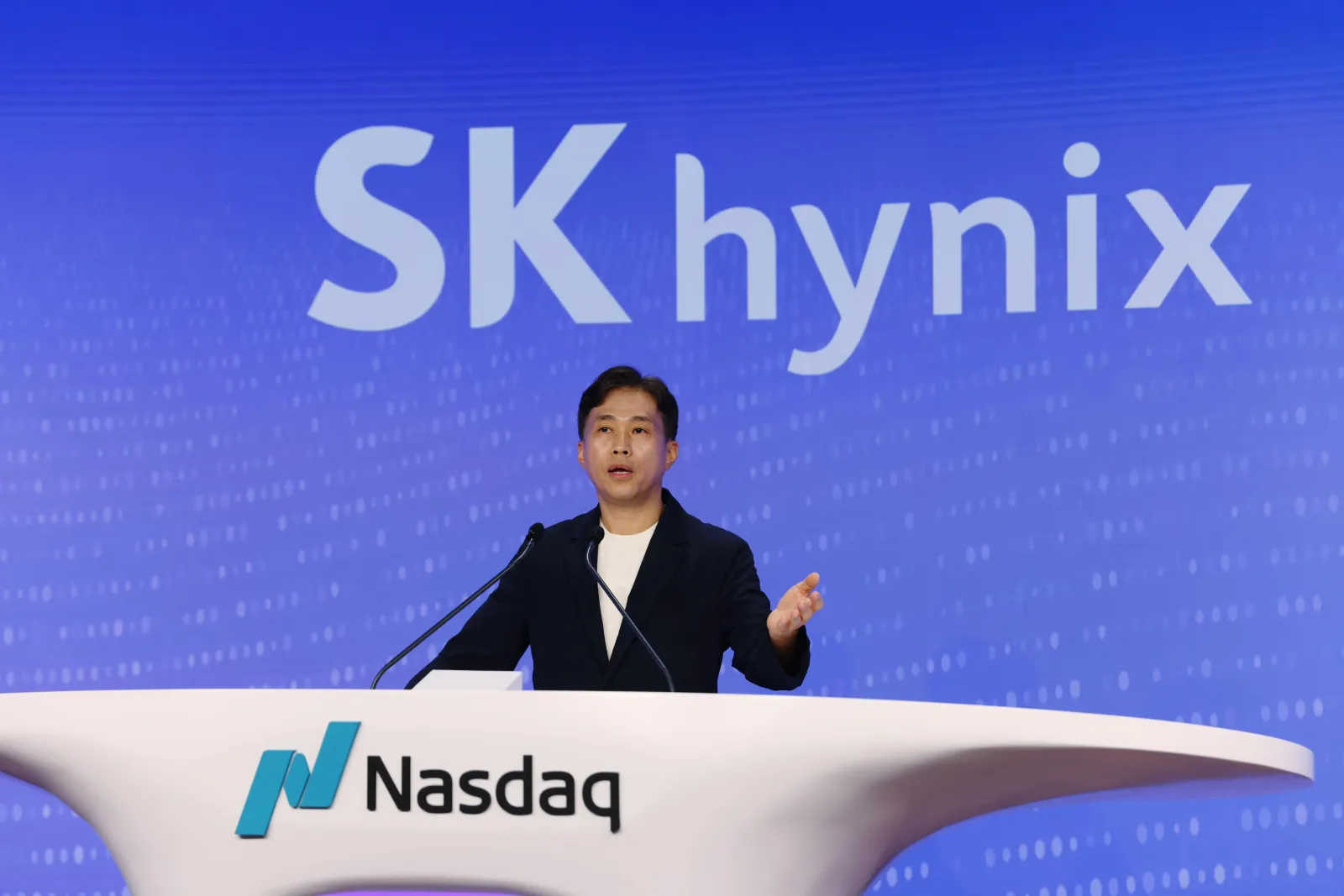
SK Hynix opens at $170, raises $26.5B, and tops foreign IPO records
In Friday's Wall Street debut, SK Hynix turns AI RAM demand into a $26.5B fundraising moment that rewrites comps.

China lands a reusable Long March booster, a first that matches SpaceX and Blue Origin
A barge landing and net-based recovery move China from theory to proof, reshaping the reusability race and satellite ambitions.

AstraZeneca $27B wipeout as Wainua late trial misses cardiovascular target
A failed late-stage heart study triggered a swift market punishment, forcing investors and boards to reset timelines and risk.