
PwC US CEO Paul Griggs still pushes consulting, even as hiring shifts for AI
Griggs expects fewer accountants and consultants, but tells his kids to pursue consulting and further education.
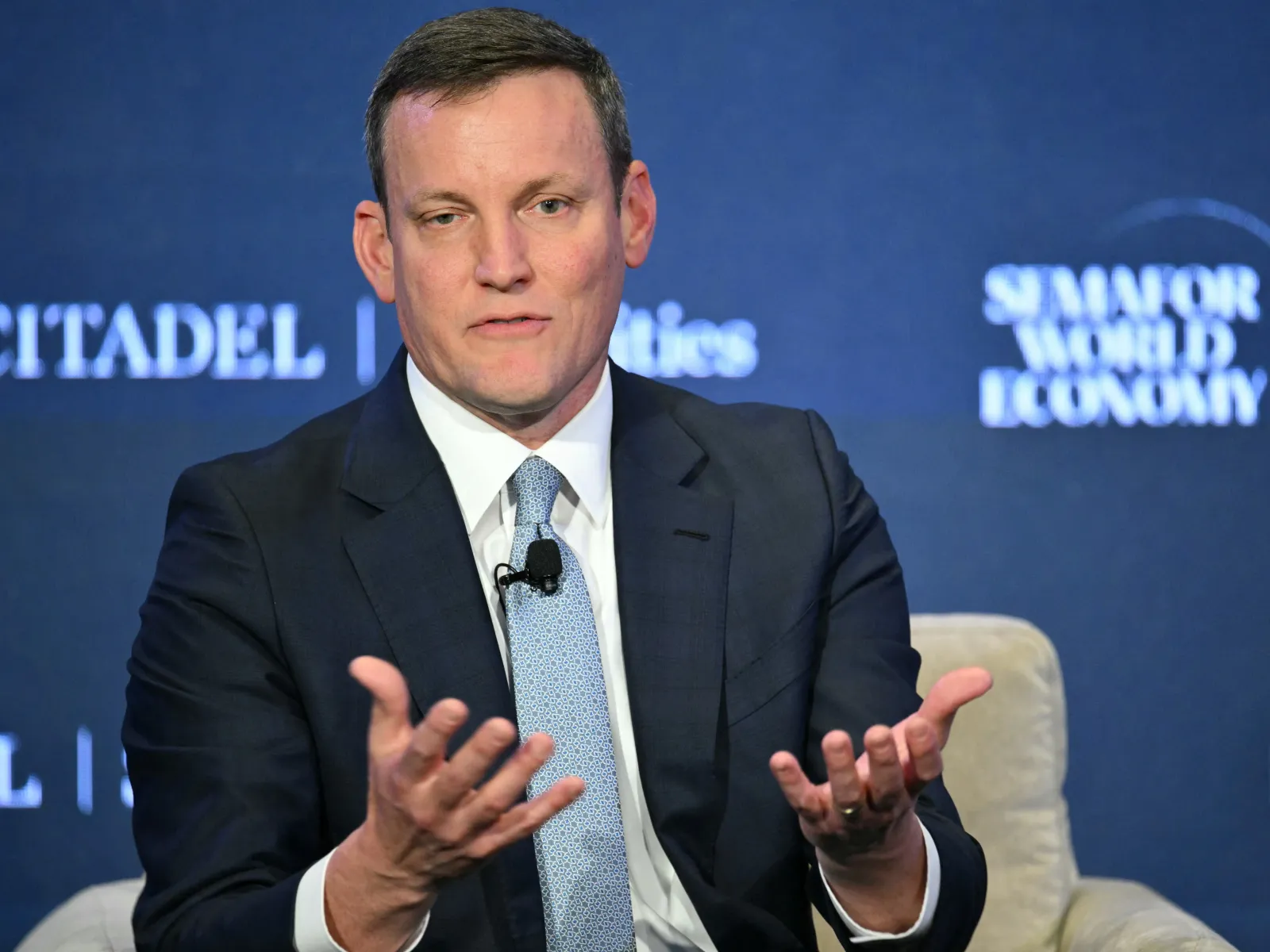
Paul Griggs, PwC's US CEO and senior partner, said he has three children and would not discourage them from choosing consulting. He expects PwC to keep hiring fewer accountants and consultants while expanding roles tied to data science, engineering, and machine learning.
Paul Griggs, PwC's US CEO and senior partner, is basically doing a split-screen argument about the future of professional services. On one side, he predicts fewer accountants and consultants will be hired as AI changes what firms need. On the other, he says he would still encourage his own kids to go into consulting, and he values continuous education enough to encourage pursuing MBAs.
The timing and the direction matter. Griggs said PwC hired fewer consultants and accountants this year than it did two years ago, and he expects that trend to continue. The reason is not “AI kills services.” It is more specific: PwC plans to hire more data scientists, engineers, and machine learning experts, even if the core client work in accounting, consulting, and finance “hasn't fundamentally changed.” In his view, the baseline job families stay, but the skill mix shifts.
That is a key distinction for anyone making workforce, budget, or product decisions inside a professional services firm. When demand shifts, boards and finance leaders tend to ask two questions. First: will the revenue engine still work? Second: what does it do to headcount planning when your recruiting pipeline looks different next year than it did two years ago? Griggs’ answer frames AI as a demand amplifier, not just an automation machine. He points to PwC's 2026 AI Jobs Barometer, which analyzed more than a billion job postings worldwide to examine how AI is reshaping skills and occupations.
According to that report, professional services roles are among the fastest-evolving. It also found that roles where AI requires more human expertise are growing twice as fast as roles where AI makes it easier for non-experts to perform. Those “human expertise” occupations also saw wages rising 42% faster since 2021. Put differently: AI may reduce the number of people needed for certain tasks, but it can increase the need for people who can interpret, govern, and apply AI in high-stakes contexts. Griggs’ broader claim is that AI creates value, which drives growth, and in turn creates demand for people, technology, and other solutions.
So where do Griggs’ kids fit into this? He said he has three children, with one in the workforce for about a year and two still in college. Two of them may go into accounting, he said, and he is supportive of that plan. The key is not whether they pick consulting versus accounting. It is that they keep learning as the skill demands evolve. Griggs told Business Insider that he is a “big believer” in master's degrees, and he would support his kids going to MBA programs.
His rationale is almost operational. MBA programs, he said, create “the space for the student to go figure out how to research and discover, and not just get through the core coursework.” He tied that to continuous learning and curiosity, qualities he prioritizes. If you zoom out, this is a workforce strategy disguised as parenting advice: build talent that can adapt, not only talent that can perform today’s workflow.
PwC’s recruiting and training footprint suggests that he is serious about the adaptation part. Griggs said PwC plans to continue recruiting from MBA and other master’s programs and maintains partnerships with several universities. Last year, he said the firm designed a leadership program with Harvard Business School called RevUp, and about 4,000 partners took a course on leading in the AI era. He also pointed to Wharton, where PwC developed an AI training program with professor Ethan Mollick focused on how partners can use tools commercially and understand how AI is affecting clients. These are not just “tech literacy” programs. They are internal capability building aimed at keeping client-facing work aligned with how AI changes risk, delivery, and value.
For executives watching all this, the strategic stake is pretty clear: if you run a firm or a function that sells expertise, you cannot treat AI as only a cost-reduction lever. You have to treat it as a restructuring force for skills, teams, and pipelines. Griggs said he thinks PwC has the strongest pipeline of new business it has seen in the firm's history, calling it “the biggest opportunity we've ever had.” Whether your company is a Big Four firm, a boutique advisory, or an internal professional services group, the playbook implied here is the same: expect fewer headcount needs in some traditional roles, invest in the talent that pairs human expertise with AI capability, and keep your recruiting funnel aligned with the education paths that support continuous learning.
This story's Key Insights and Take-aways are locked.
Create a free account to unlock Executive Actions for one credit.
Register to UnlockAlways free for Executives Club members. Join the Club
More in Science

Alaska's 1,580-foot tsunami had warning signs. Scientists just found them.
Rapid glacier retreat, heavy rainfall, and thousands of tiny tremors preceded Alaska's 1,580-foot tsunami, a warning for every coastal community in a warming world.

The rare mutation that lets high-risk brains dodge Alzheimer's
Scientists found a natural defense against protein buildup, opening a new path to preventive treatments.

3,000 steps a day may halve Alzheimer's decline, study finds
New research links a modest daily walk to less tau buildup and nearly half the cognitive and functional decline, even for those with early signs.