

Q1 2026: New homes hit a -2% premium, beating existing prices by $1,400
Builder incentives and rate-locked resellers made 2026 the first time new beats used, and it changes deal math fast.
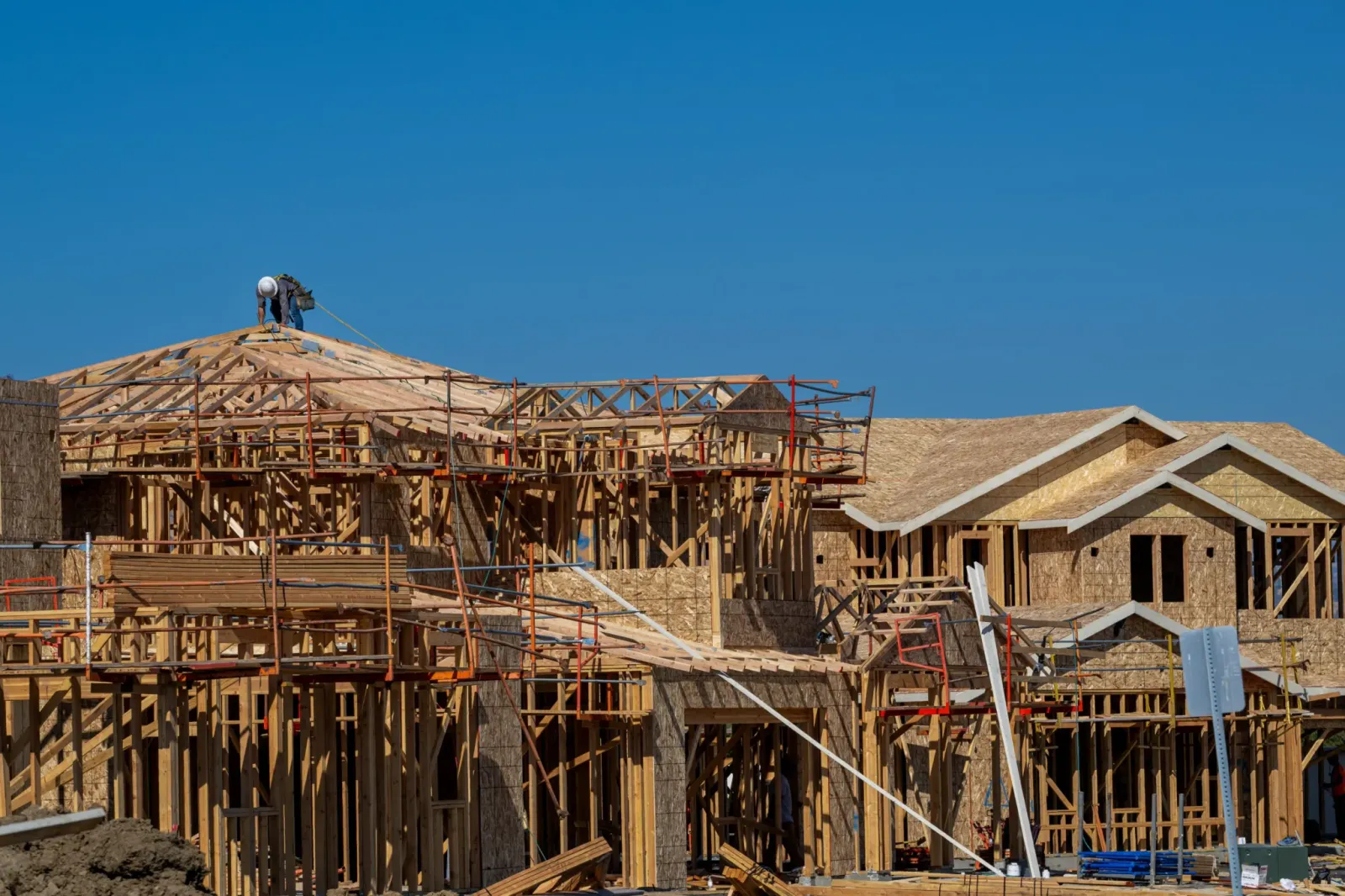
Fortune reports that in Q1 2026, the median price of a new single-family home was $403,200, about $1,400 below the median existing home price of $404,600. For decision-makers, this signals that incentives and resale seller “stickiness” are reshaping affordability and inventory strategy.
The housing market just did something it rarely does: it made new homes cheaper than existing ones. In the first quarter of 2026, the median price of a new single-family home was $403,200, which is $1,400 below the median existing home price of $404,600, according to data sent to Fortune by the National Association of Home Builders. The data drew on Census Bureau and NAR figures.
That $1,400 reversal matters because it breaks a decades-old norm. Typically, new homes carry a premium over existing ones, and that premium has averaged 16% going back to 1987. But as of April 2026, the premium fell to -2% for the first time, in data stretching back five decades, according to John Burns Research & Consulting. John Burns Research & Consulting’s Alex Thomas, research manager on the macro team, told Fortune that it points to supply and demand, with “some of it” possibly affected by methodology, but “there’s some truth to it as well.” The blunt takeaway: new resales are no longer the default “more expensive” option.
So what’s driving the pricing flip? Start with builders. Builders have been shrinking what they build. The median size of a new home sold has contracted to around 2,400 square feet, down from roughly 2,500 in 2022 and 2,700 in the mid-2010s. Smaller homes lower price points, and they also affect how comparisons look, because the existing-home market tends to skew larger. NAHB also attributed the pricing shift to builders constructing on smaller lots, shifting production toward the South, and offering incentives to move inventory. Those incentives are happening against rising construction costs, driven in part by tariffs on building materials that NAHB estimates have added as much as $9,200 to the average new home price.
Geography is part of the story, too. Home prices are not moving uniformly. Thomas said prices are holding firmer in Northeast and Midwest markets that have not seen as much of an increase in supply because there just “aren’t that many new homes being built in those regions,” while softer pricing across the Sunbelt is dragging down the national median new home prices. The NAHB data shows regional divergence: in the Northeast, new homes still carry a $309,200 premium over existing homes, while the Midwest premium is $66,800. The discount flips elsewhere: in the West, existing homes run $55,500 above new, and in the South, the gap is just $700.
But the “cheaper” story might understate what buyers can actually get. Thomas says the true discount could be more substantial in certain markets because builders are offering incentives beyond price cuts. Think design credits, rate buydowns, or covered closing costs. Those are not captured in Census data on median new home prices. John Burns’ survey work puts those incentives at roughly 7 to 8% of new home sale prices, which Thomas called “pretty abnormal” relative to historical norms. In plain English: the sticker price comparison is only part of the affordability equation. The rest is getting paid through the deal structure.
Now layer in the other side of the negotiation: resale sellers. Builders are dealing because they have to. Thomas explained the asymmetry this way: “Existing home prices are sticky on the way down.” Resellers often want the same prices their neighbors got a year or two ago and adjust more slowly when conditions change. Existing owners can delist and wait, while builders have to move inventory due to holding costs. That means incentives turn into a practical necessity. Supporting that, Realtor.com data shows nearly 20% of new homes faced outright price cuts in the fourth quarter of 2025.
And buyer behavior is changing the incentives conversation. In dense markets where new construction is plentiful, buyers are walking into builder offices and negotiating across competing communities. When multiple builders are “competing with math,” the sales process gets sharper. The affordability crisis also pushes builders further, and the resale market is not responding quickly because of what Thomas calls rate-lock. The average outstanding mortgage rate is currently around 4.3%, while prevailing market rates are closer to 6.5%. Until those lines converge, Thomas said, transaction volumes will remain depressed and pressure on builders to discount will persist.
There’s also a generational layer that explains why resale supply may be slow. NAR’s 2026 generational trends report finds baby boomers account for 42% of all buyers and a dominant 55% of all sellers. The boomers who sell appear to have more flexibility because they are often moving with equity, while many boomers who hold low-rate mortgages or own outright have little financial pressure to list. Redfin’s analysis of 2024 Census data found empty-nest baby boomers own 28% of U.S. homes with three or more bedrooms, compared with 16% for millennial households with children. Some of this is financial, and some of it is structural. The source notes Meredith Whitney, the Wall Street analyst who predicted the 2008 financial crisis, has noted that just one in 10 seniors can afford assisted-living facilities, leaving millions effectively trapped in homes they can no longer leave.
For executives, the strategic implication is straightforward even if the path to it is messy. When the premium is negative for the first time ever, that doesn’t just mean “deals exist.” It means the competitive landscape inside home sales is shifting toward builders and away from resale pricing power. Thomas’s “the takeaway is that the premium is negative for the first time ever” language is basically the market’s scoreboard: existing sellers are slower to adjust, which keeps supply demand pressure on builders to get creative with incentives. If you operate anywhere in housing finance, construction, or real estate brokerage, this matters because affordability stress tends to concentrate bargaining power. Builders can manufacture discounting. Resale sellers, especially amid rate-lock and holdout dynamics, cannot. That’s how you end up with a world where, in Q1 2026, new beat used by $1,400 and the premium flipped to -2%.
This story's Key Insights and Take-aways are locked.
Create a free account to unlock Executive Actions for one credit.
Register to UnlockAlways free for Executives Club members. Join the Club
More in Business

Epic and Google drop settlement bid, forcing rival Android app stores by July 22
Google told the court it is ready to carry third-party app stores starting Wednesday, July 22.

SK Hynix opens at $170, raises $26.5B, and tops foreign IPO records
In Friday's Wall Street debut, SK Hynix turns AI RAM demand into a $26.5B fundraising moment that rewrites comps.

China lands a reusable Long March booster, a first that matches SpaceX and Blue Origin
A barge landing and net-based recovery move China from theory to proof, reshaping the reusability race and satellite ambitions.