
Qantas's 18-hour New York-Sydney flight lands in 2028, after 22-hour London
Project Sunrise's New York route follows the airline's even longer Sydney-London nonstop, eliminating stopovers and pressuring competitors to match.
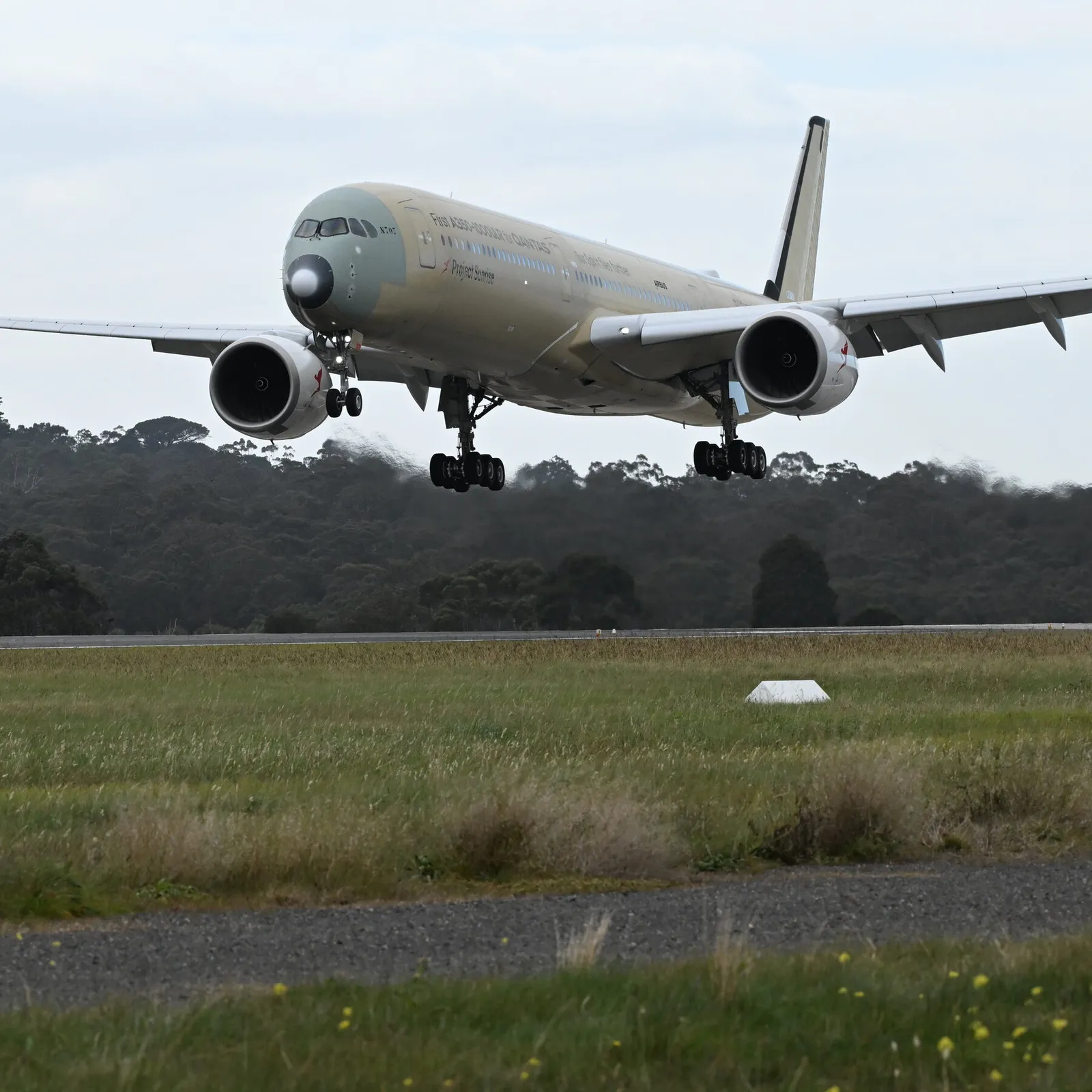
Qantas Airways said its 18-hour nonstop New York-to-Sydney flights will launch in 2028 as part of Project Sunrise, coming months after its 22-hour direct Sydney-to-London service begins. The move reshapes corporate travel and long-haul competition, forcing rivals to reassess their Australia connectivity.
Qantas Airways has locked in a date for its 18-hour nonstop from New York to Sydney: 2028, as part of the airline's Project Sunrise program. The carrier said the flight would take off months after its even longer 22-hour direct service from Sydney to London begins, meaning the Australian flag carrier is about to rewrite the record books for ultra-long-haul travel in one carefully sequenced rollout. For executives and frequent flyers, this is the end of the stopover era on the world's most punishing routes. No more connecting through Singapore, Dubai, or Los Angeles; just one uninterrupted stretch of sky between North America and Australia, with all the time saved turned into productivity or rest. The announcement is a milestone not just for Qantas but for the entire aviation industry, which has spent decades inching toward the operational and physiological limits of long-haul flight. An 18-hour flight is not a simple extension of a 14-hour one. It demands a rethinking of crew scheduling, with pilots and cabin staff working in rotating shifts and using purpose-built rest areas that don't sacrifice revenue seats. Fuel capacity becomes the binding constraint, and every kilogram of cargo or passenger weight is measured against the extra kerosene needed to push an aircraft that far. Qantas has spent years engineering solutions, from specialized lighting to stretching classes, all aimed at making these marathon flights palatable to business travelers who will pay a premium for direct access. For corporate travel managers, the math is compelling. A nonstop New York-Sydney flight saves roughly six to eight hours of total travel time compared with a typical one-stop itinerary, and it eliminates the risk of missed connections and lost bags. That's a full workday recovered on each leg, which quickly justifies a higher ticket price for high-value employees. The 22-hour Sydney-London route, which begins first, is an even more extreme test. It will be the longest scheduled passenger flight in the world, pushing crew duty limits to their regulatory maximum and forcing regulators to certify new operational procedures. Qantas's decision to stagger the launches is telling. The London route serves as the proof of concept for the entire Project Sunrise fleet, and if it succeeds, the New York route is a lower-risk follow-up with similar economics. The airline has deliberately sequenced these routes to de-risk the rollout, learning from the first before scaling to the second. The strategic implications extend far beyond Qantas's own balance sheet. Other carriers with hub networks built around stopovers, including Singapore Airlines, Emirates, and Cathay Pacific, have built their business models on connecting Australia to the world. If Qantas's nonstops capture a meaningful share of premium traffic, those airlines will face pressure to either launch their own ultra-long-haul services or concede the market. But these routes are capital-intensive, requiring aircraft configured for maximum comfort, and not every airline can justify the investment. For now, Qantas holds the first-mover advantage, and the 2028 timeline gives it a multi-year runway to fine-tune the product and lock in corporate contracts before competitors can respond. The broader lesson for boards and executives is that ambition, when paired with operational discipline, can turn a logistical impossibility into a commercial advantage. Qantas has spent years talking about Project Sunrise; now it has put a date on the dream, and the industry is watching to see if the execution matches the vision.
This story's Key Insights and Take-aways are locked.
Create a free account to unlock Executive Actions for one credit.
Register to UnlockAlways free for Executives Club members. Join the Club
More in Business
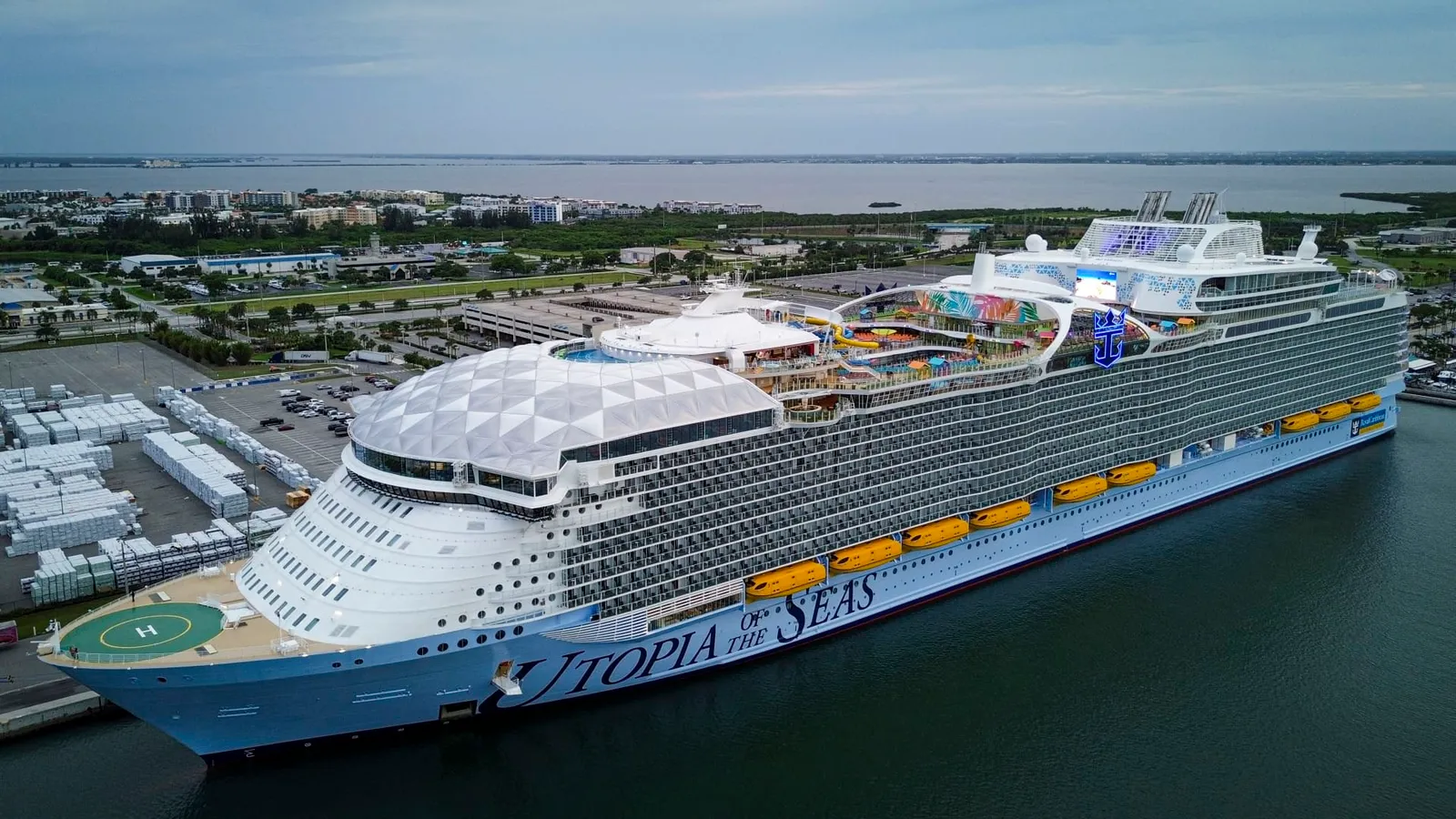
Royal Caribbean just spent $3B to own half of Sandals
The cruise giant is buying a 50% stake in the all-inclusive resort chain for $3 billion, a bet that land-based vacations are the next growth engine.

Paramount's Ellison: Merger Clearance Done, WBD Deal by Oct 1
David Ellison says the Paramount-WBD merger has full clearance after settling with state AGs, clearing the path for an October 1 close.

Paramount settles with 12 states, $110B Warner merger clears final hurdle
David Ellison's studio avoids a March trial and a $7M-a-day ticking fee by settling with state AGs over local job losses.