

Qualcomm hands Amazon $4B in warrants to storm Nvidia's AI turf
Amazon becomes a potential $4B Qualcomm shareholder as the mobile chipmaker pushes into data centers, where Nvidia dominates the AI boom.
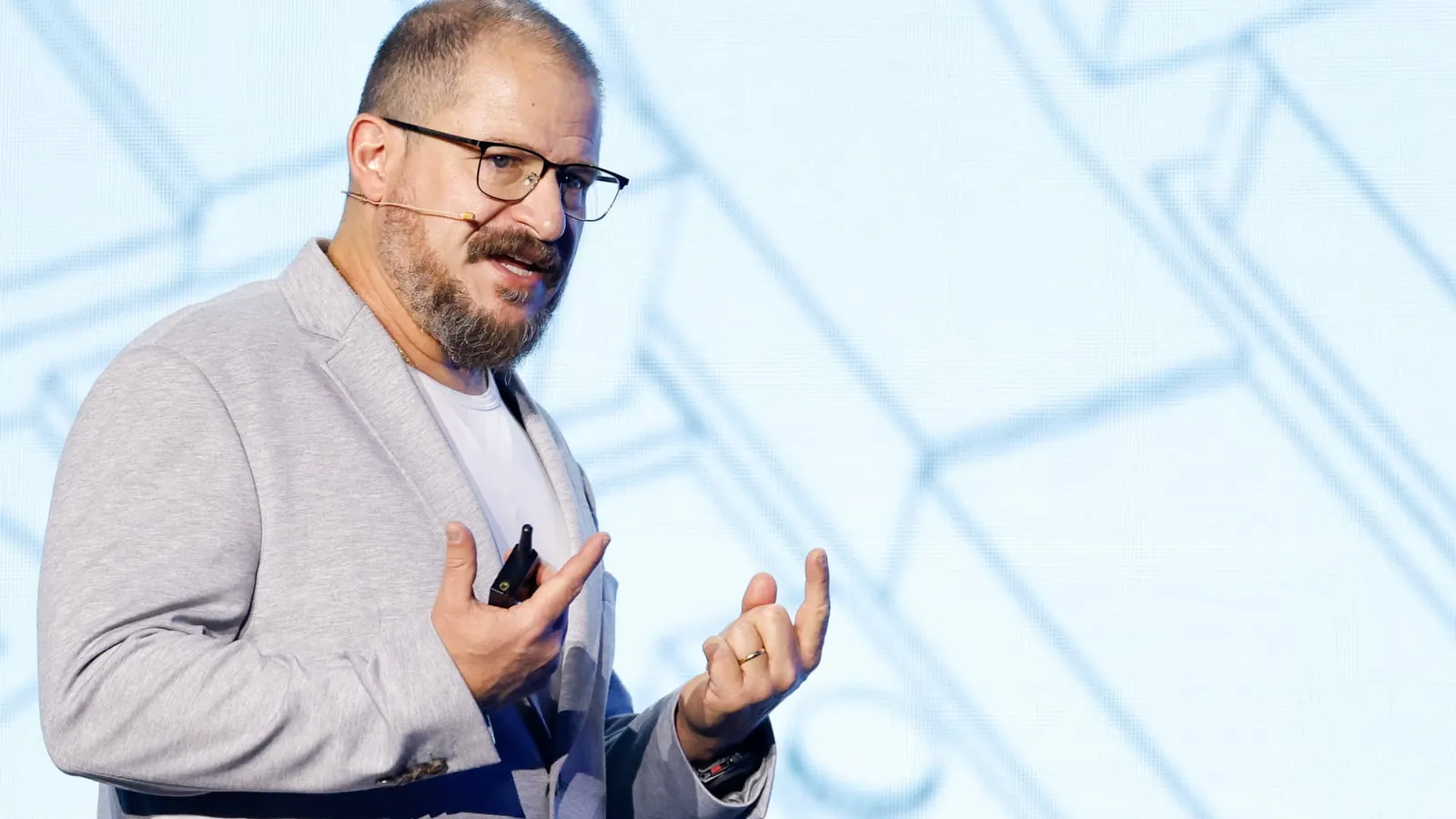
Qualcomm has issued warrants allowing Amazon to acquire $4 billion of its stock as part of an AI infrastructure deal, a clear move into the data center market where Nvidia dominates the AI boom. For decision-makers, the tie-up aligns Amazon's financial incentives with Qualcomm's challenge to Nvidia and offers a new playbook for turning strategic customers into equity partners.
Qualcomm has issued warrants allowing Amazon to acquire $4 billion worth of its stock, pulling the retail and cloud giant into its ownership picture as part of an AI infrastructure deal. Issued directly by Qualcomm to Amazon, the warrants are a tool of strategic alignment, not a routine market transaction. The $4 billion figure is the kind of commitment that turns a vendor relationship into something closer to a joint venture, at least on paper, and it instantly becomes one of the largest equity gestures in the AI chip supply chain.
This is also the clearest signal yet that Qualcomm is trying to move into the data center business, where Nvidia has been the dominant player in the AI boom. For years, Nvidia's GPUs have been the default engine for training and running large AI models, making it one of the most valuable companies in the world. Qualcomm, the chip designer best known for the Snapdragon processors inside most Android smartphones, has long been a mobile player, and its data center ambitions have historically been an uphill climb. By putting Amazon on its shareholder list, Qualcomm is asking the biggest cloud buyer in the world to bet on that climb, and Amazon now has a financial reason to want the bet to pay off.
For anyone who does not live in capital markets, a warrant is a financial instrument that gives its holder the right to buy a company's stock at a predetermined price at some point in the future. Companies typically use warrants as part of fundraising, but they are increasingly deployed as currency for strategic partnerships. The mechanics here mean Amazon can acquire up to $4 billion of Qualcomm stock under terms set at issuance. If Qualcomm's share price rises because its AI infrastructure business gains traction, Amazon captures some of that upside. If the strategy stumbles, Amazon is not forced to exercise the warrants, which limits its downside while keeping the relationship alive.
The strategic logic is easy to read. Nvidia's data center dominance has let it command premium pricing and long delivery queues for its AI accelerators, leaving cloud providers hungry for alternatives. Qualcomm wants to become one of those alternatives, and Amazon is the most powerful customer it could ask for. Amazon's AWS is the world's largest cloud infrastructure provider, serving millions of business customers and setting de facto standards for which hardware gets deployed at scale. A few public deployments inside AWS can validate a product roadmap faster than years of marketing, and having AWS as a deep-pocketed backer is a form of market validation that cannot be bought in any other way.
The warrant structure also changes the nature of the relationship between the two companies. Amazon is no longer just a potential buyer of Qualcomm's future data center chips; it is now a potential shareholder whose financial interest is tied to Qualcomm's stock price. That alignment matters in an industry where customers and suppliers constantly negotiate over roadmaps, pricing, and delivery timelines. When a customer holds equity exposure to a supplier, the calculus shifts: teams inside AWS evaluating Qualcomm silicon are no longer assessing a pure vendor, they are assessing a partner whose success they partially own. That is a different conversation, and it is exactly the conversation Qualcomm wants to be having.
For Nvidia, the immediate competitive threat should not be overstated. Its software ecosystem, its installed base, and the pace of its product roadmap give it a formidable moat, and no single warrant deal will undo that lead. But the symbolic weight of the deal is real. Amazon is among the largest buyers of AI infrastructure on earth, and its willingness to take $4 billion in Qualcomm warrants is a public signal that the hyperscaler wants a credible second source of AI compute. That kind of signal moves the whole industry: it encourages other chipmakers to pour resources into data center roadmaps, and it gives procurement teams everywhere a license to consider alternatives to the default choice.
The deal will also be studied as a template for how to break into a market where the incumbent holds all the cards. AI infrastructure is enormously capital-intensive, and the balance of power between chip designers and their largest customers has tilted heavily toward the supply side. One answer for buyers is to put capital behind the challengers, either through direct investment or through instruments like warrants. For Qualcomm, the $4 billion warrant line is not just a financing tool: it is a way to put a hyperscaler's balance sheet behind its data center ambitions without a formal acquisition, joint venture, or exclusivity agreement. For every other chipmaker hunting for an anchor customer, that playbook is now public.
For executives and boards watching from the sideline, the deeper takeaway is how partnership risk is being re-engineered in the AI era. The line between customer, investor, and competitor is blurring, and the companies navigating it best are turning strategic relationships into hard financial stakes. Qualcomm's deal with Amazon does not guarantee it a place in the data center winner's circle, but it does guarantee that its most important potential customer has a reason to want it there. In a market where Nvidia starts with every advantage, loyalty engineered through equity may be the sharpest tool a challenger has.
This story's Key Insights and Take-aways are locked.
Create a free account to unlock Executive Actions for one credit.
Register to UnlockAlways free for Executives Club members. Join the Club
More in Business
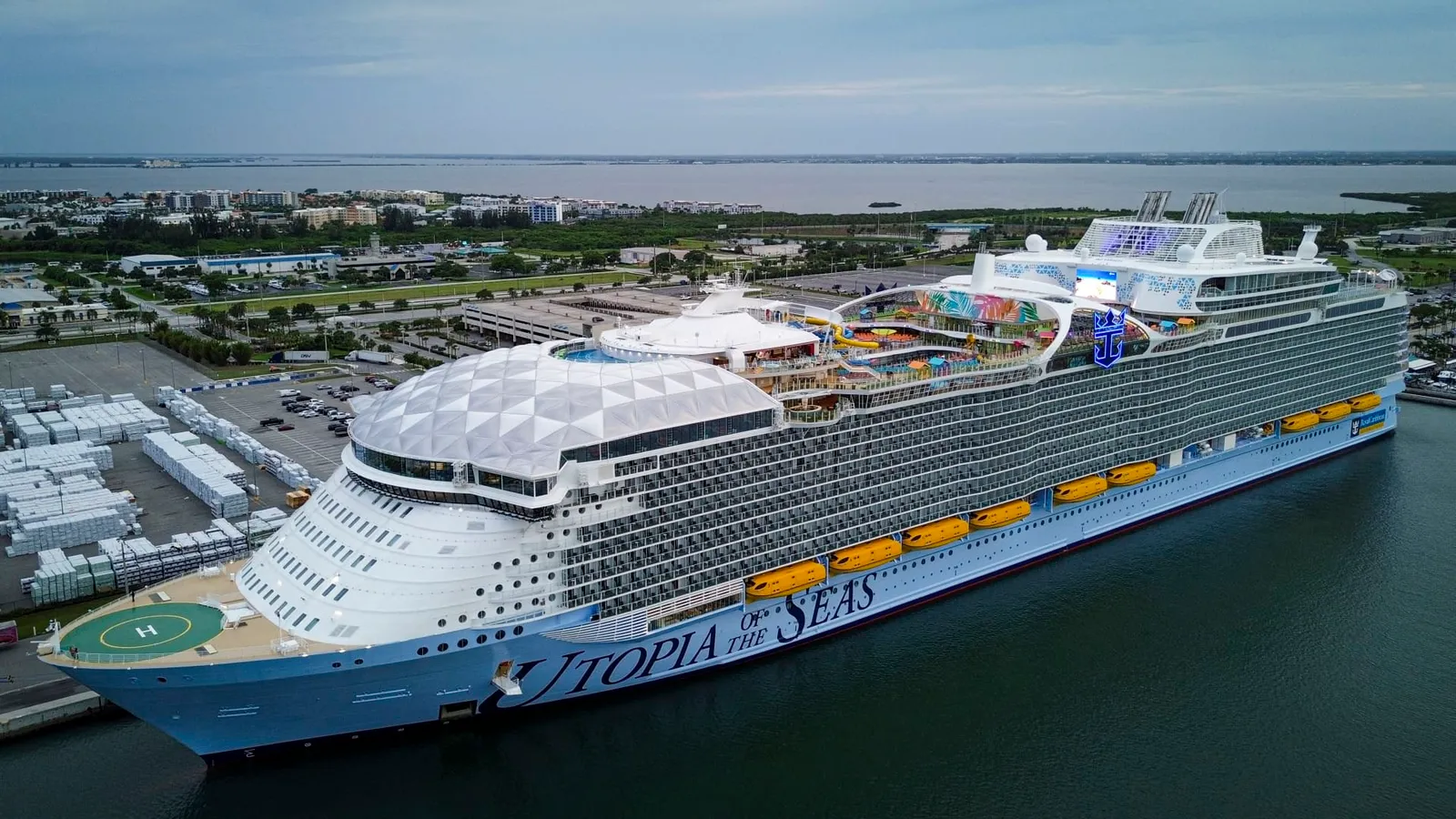
Royal Caribbean just spent $3B to own half of Sandals
The cruise giant is buying a 50% stake in the all-inclusive resort chain for $3 billion, a bet that land-based vacations are the next growth engine.

Paramount's Ellison: Merger Clearance Done, WBD Deal by Oct 1
David Ellison says the Paramount-WBD merger has full clearance after settling with state AGs, clearing the path for an October 1 close.
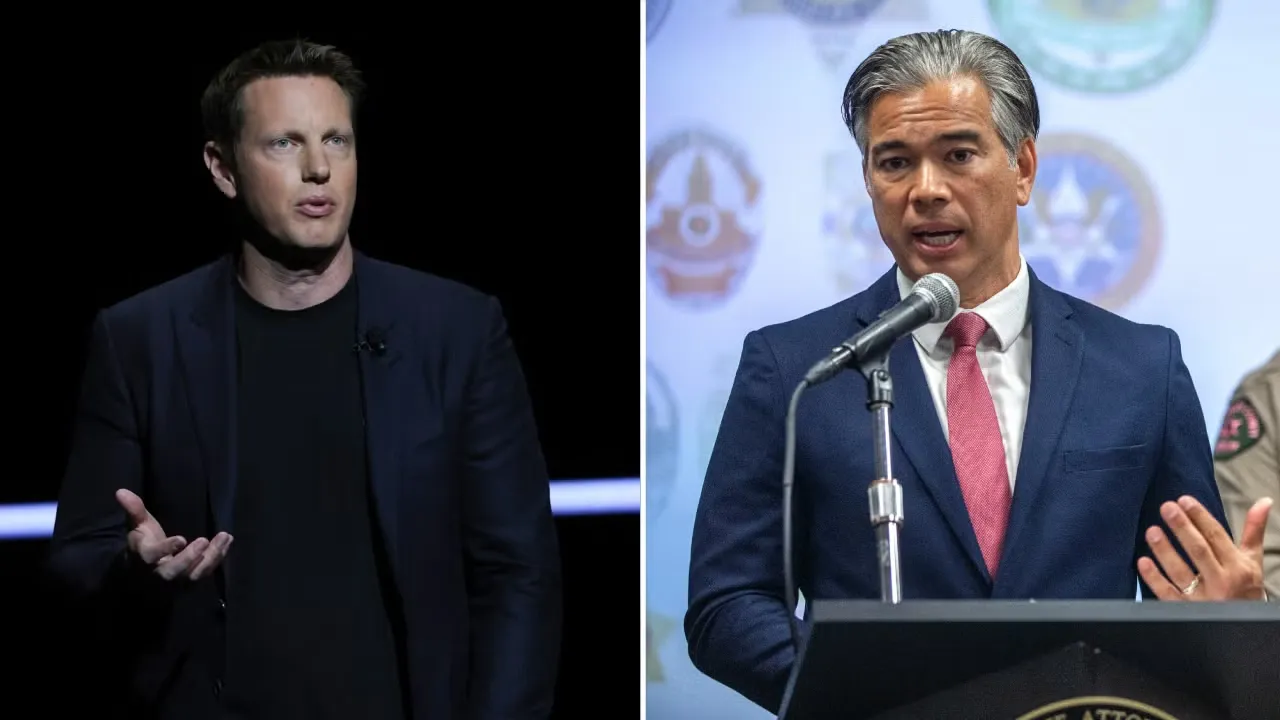
Paramount settles with 12 states, $110B Warner merger clears final hurdle
David Ellison's studio avoids a March trial and a $7M-a-day ticking fee by settling with state AGs over local job losses.