
Rep. Tom Kean says depression and no recovery timeline kept him out of Congress
The New Jersey Republican returns after months away, explaining his diagnosis left him without a clear timeline to recover.

Rep. Tom Kean, a New Jersey Republican, returned to Congress and said depression was behind why he was missing for months. He explained on a House floor speech that after his diagnosis, there was no timeline for recovery.
Rep. Tom Kean said depression is why he went missing for months, and he used the House floor to address the mystery his constituents faced while he was away. Kean’s explanation matters because it links personal health to public service in a way that can stall a district’s rhythm and, politically, force people to fill in blanks that should have had answers.
In that House floor speech, Kean explained that after his diagnosis, there was no timeline for recovery. That line is doing more than offering context. It is a direct response to the gap his absence created, and it also signals something many elected officials and their staffs eventually have to confront: when health outcomes are uncertain, governance becomes a test of continuity planning rather than a reassurance campaign.
To understand the stakes here, zoom out to how representation works in practice. When a member is absent for months with no explanation, the district experiences a vacuum, even if someone is technically covering day-to-day items. Constituents and stakeholders do not just ask “where is he?” They ask who is responsible for follow-through, whether legislative priorities pause, and how reliably constituent services keep moving. For colleagues on committees and leadership teams, a long absence is also a workflow problem. It changes vote math, rearranges talking points, and can shift leverage inside chambers where every seat has a role.
Kean’s statement also lands in an era where public transparency is expected but timelines are often not. Depression and other medical conditions do not come with a neat calendar that can be handed to voters. Kean’s “no timeline” framing is consistent with how many health events unfold, but the public expects predictability anyway, because politics is built on scheduling. That mismatch can create pressure, rumor, and scrutiny that do not help recovery and can distract from the actual work.
There is also a political communication angle. In general, lawmakers can handle health situations privately for a period, then choose a moment to update constituents when they believe it is necessary. But the longer the gap, the more the eventual explanation is tested for completeness. Kean’s return and floor speech act like a reset button. He is giving a single, clear reason for the absence and placing the uncertainty where it belongs: on recovery, not on intent.
For decision-makers watching from other desks, the second-order implications are real. Boards, executives, and government managers all face continuity questions that health events expose. Even outside politics, leadership teams plan for vacations, travel, and predictable workload shifts. A diagnosis with no recovery timeline is a different category. It forces organizations to ask whether succession planning is more than a filing cabinet exercise. It also pressures managers to ensure responsibilities are distributed so the absence of one individual does not become a bottleneck for stakeholders.
At the congressional level, the issue is amplified by the fact that attention is scarce and scrutiny is constant. A member missing for months with no explanation becomes a story, not a schedule item. Kean’s explanation helps close the loop for constituents, but it also highlights how fragile the public-facing trust can be when timelines are unknown. The strategic lesson for other officials is not about proving toughness or controlling narratives. It is about building systems that keep the district’s business moving even when personal health creates uncertainty, and about communicating in a way that respects both privacy and the public’s need for clarity.
This story's Key Insights and Take-aways are locked.
Create a free account to unlock Executive Actions for one credit.
Register to UnlockAlways free for Executives Club members. Join the Club
More in Politics
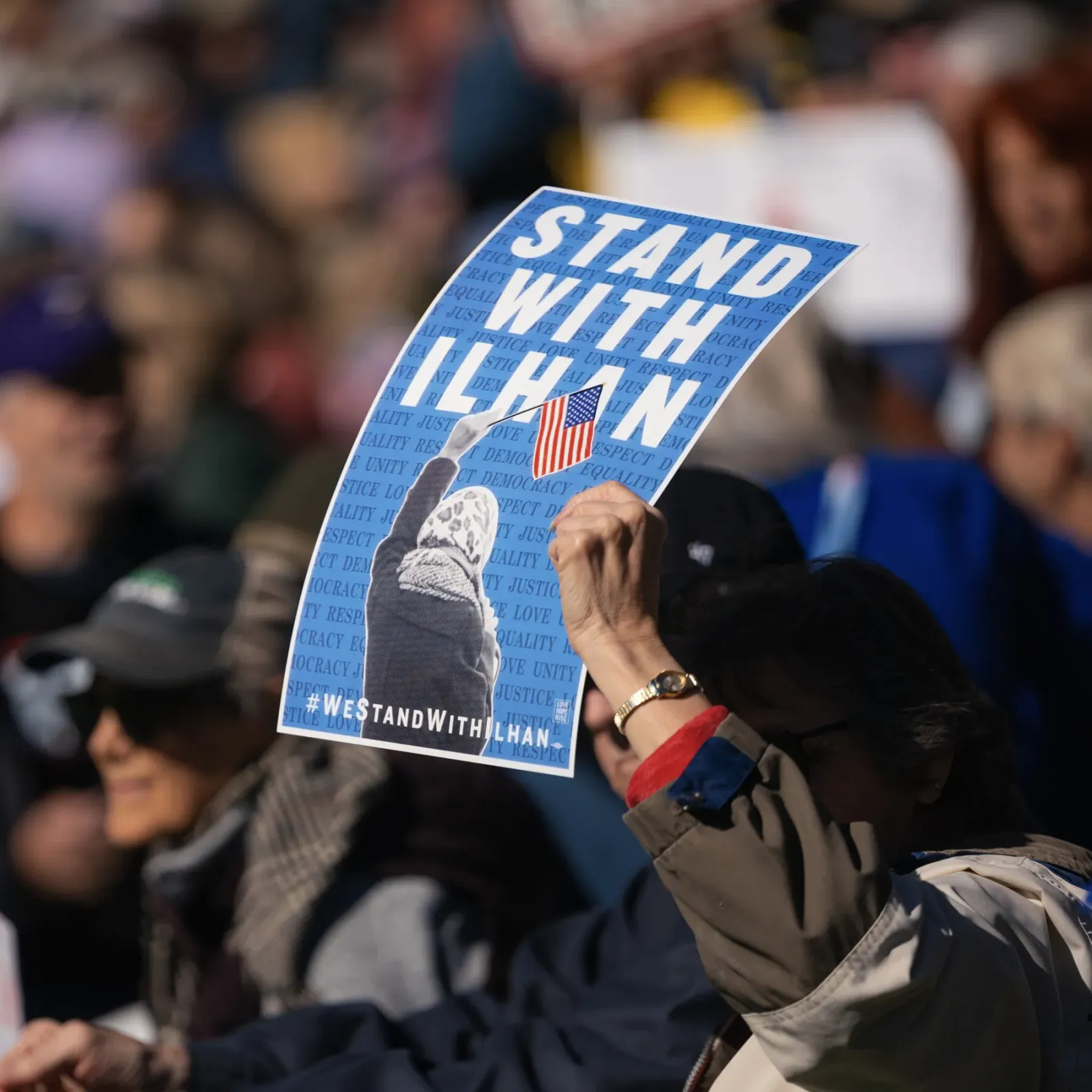
Obama Defends Ilhan Omar After Agents Search Her Home in Trump Inquiry
The former president's intervention raises the stakes in a federal probe into immigration paperwork that has put a prominent progressive lawmaker in the crosshairs.

Blair-era minister: cut welfare to fund youth job support
Alan Milburn's call for welfare cuts to fund employment support opens a Labour fight over benefits and the Neet crisis.
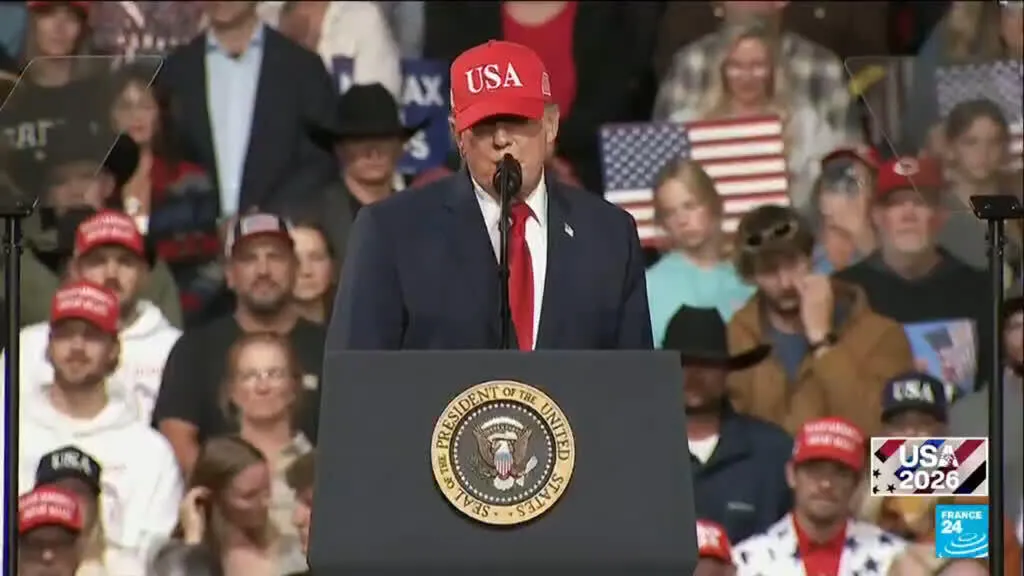
Hot September CPI: energy costs surge, voters feel the squeeze before midterms
The latest inflation print lands as Trump campaigns for GOP control of Congress, putting cost-of-living worries at the center of the midterm fight.