
Retroid Pocket 5 and Flip 2 cost $10 more after July 14 for a spec bump
A RAM upgrade is coming, but Retroid is also adjusting pricing, with a hard switch date buyers should note.
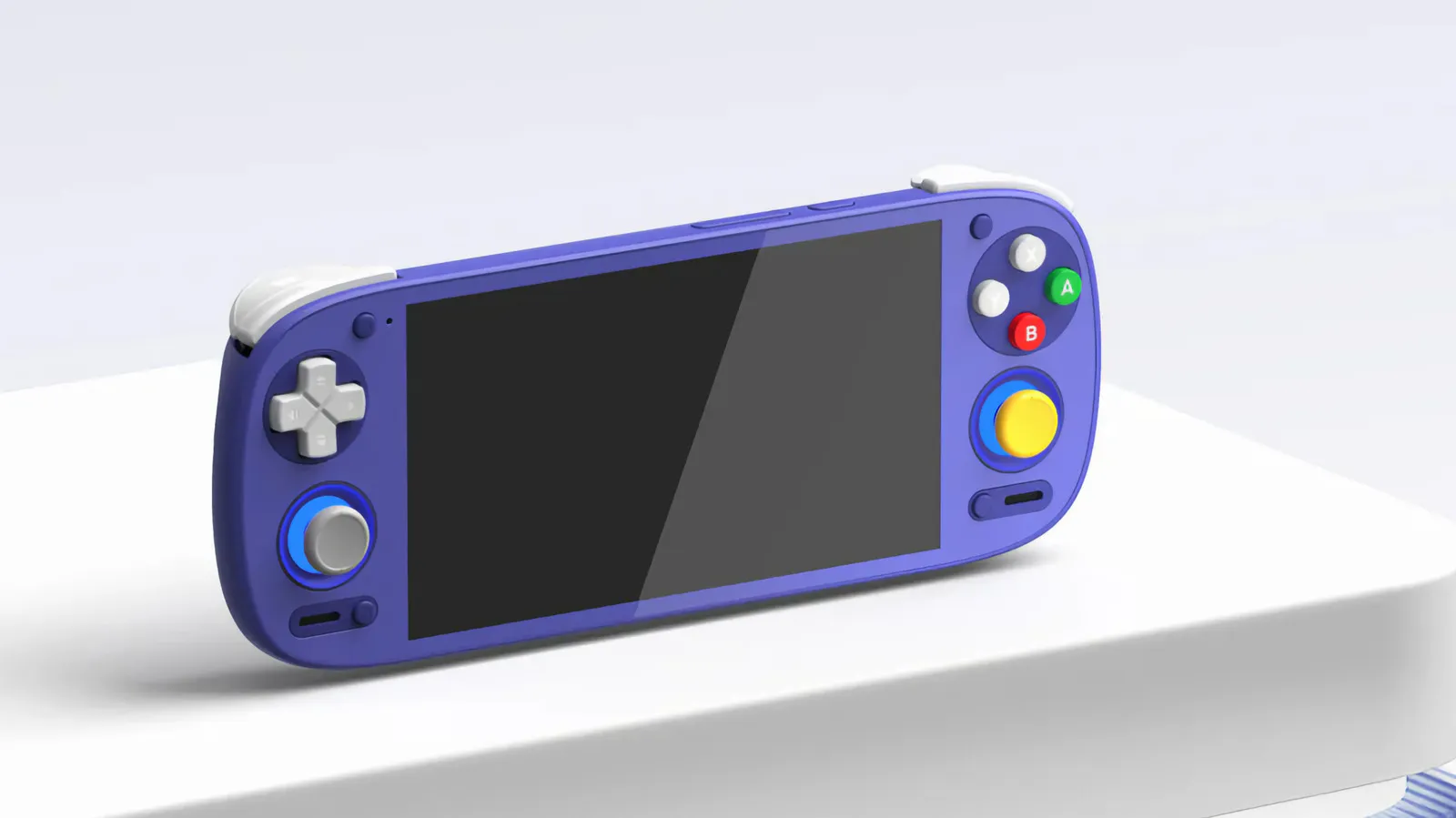
Retroid Pocket 5 and Flip 2 are getting a spec bump, and Retroid says they will cost $10 more after July 14. For decision-makers, it signals how product refreshes and component costs translate directly into margins and demand timing.
Retroid is doing two things at once with its emulation-focused handhelds: it is bumping the specs on the Retroid Pocket 5 and the Flip 2, and it is also raising the price by $10 after July 14. In other words, RAMaggedon is not limited to the newest consoles or the hottest PC games. Even older retro and emulation gear is being tugged by the same basic reality: memory capacity and performance targets keep climbing, and those changes have a price tag.
That $10 matters more than it sounds, because handheld gaming is already a “budget with expectations” market. People buy these devices because they want to run a library of old games smoothly, often across multiple systems and emulator layers. When you increase specs like RAM, you can reduce stutters, improve stability, or help certain games load with fewer hiccups. But when the price jumps right after a date, buyers and vendors face a timing question: do you buy before July 14 to lock in the lower cost, or wait and accept the $10 premium for the enhanced configuration?
What makes this story feel bigger than a simple price change is the pattern behind it. Engadget’s framing hits the core dynamic: even emulation-first handhelds cannot escape RAMaggedon. The phrase is doing more than being funny. It points to a sustained trend across consumer electronics where developers, communities, and users increasingly push devices to do more than the hardware originally planned for. Emulation is particularly sensitive to memory availability because more demanding titles, higher-resolution settings, and updated emulator builds can ask for more than older configurations can comfortably provide.
In market terms, a spec bump can be a brand move as much as a technical one. It tells customers that the product line is still being actively supported, which is crucial in handhelds. These systems do not get the kind of official, end-to-end lifecycle management that big console ecosystems do. They rely heavily on software compatibility, emulator updates, and community tuning. When hardware specs move, it can reshape what users expect the device will handle, and that expectation can influence sales velocity and the resale market.
The pricing lever, meanwhile, is a direct signal about internal cost and positioning. Component upgrades cost money, and vendors have to decide whether to absorb the difference, spread it across multiple units, or pass it to buyers. The decision here is explicit: the Retroid Pocket 5 and Flip 2 will cost $10 more after July 14. That means Retroid is not hiding the change behind vague bundles or “limited time” promos. It is drawing a line in the sand, which makes demand timing rational for buyers.
There is also a strategic implication for partners and peers in the same ecosystem. The handheld market is crowded with devices aimed at similar audiences, often differentiating on screen, ergonomics, and whether the device is positioned as “entry,” “mid,” or “premium for emulation.” When one player nudges pricing for a spec bump, it shifts the competitive baseline. Other companies can interpret this as a valuation reference point: if customers will pay more for incremental memory and performance improvements, competitors may feel pressure to either match the spec trajectory or justify why their devices remain cheaper without the same memory headroom.
For boards and executives making broader consumer hardware decisions, the operational takeaway is that spec refreshes are rarely just engineering milestones. They come with a sales and margin consequence. A $10 shift after a specific date also creates a near-term demand window, which can affect inventory planning and channel behavior. If retailers, marketplaces, or distributors see a scheduled price increase, they may accelerate orders before the cutoff, while later buyers may encounter a new price reality that changes conversion rates.
Finally, the second-order stake is customer trust and expectations management. Emulation buyers are often technical and comparative, and they tend to track releases closely. If the device gets meaningfully better specs but the price rises, the company still needs to ensure customers feel they are getting what they paid for. In this case, the headline gives the essentials: a spec bump is coming, and it comes with an extra $10 after July 14. The “what” is the memory and performance uplift, and the “when” is the price switch. The rest of the market will watch whether Retroid’s move expands demand or simply segments it into pre- and post-date buyers.
This story's Key Insights and Take-aways are locked.
Create a free account to unlock Executive Actions for one credit.
Register to UnlockAlways free for Executives Club members. Join the Club
More in Technology

Google quietly links your phone number to every Android account on your SIM
Adding a SIM now ties your phone number to all Google accounts - and future accounts inherit it. Here's the security and privacy stakes.

Hijacker AI 'Skynet mode' runs 100,000 attack steps against exposed models
Symantec caught a criminal AI agent that borrows other models, steals data, and mines crypto; the only relief is no confirmed victims yet.

Nvidia's AI-financier shift faces its first big test as neoclouds stumble
A rout in neocloud stocks is forcing investors to weigh Nvidia's hidden exposure as both supplier and lender to the AI buildout.