

RFK Jr. says Trump wants vaccine-autism link investigations, during CNN fight
HHS Secretary Robert F. Kennedy Jr. told CNN's Dana Bash President Trump “certainly” wants probes into perceived autism-vaccine links.
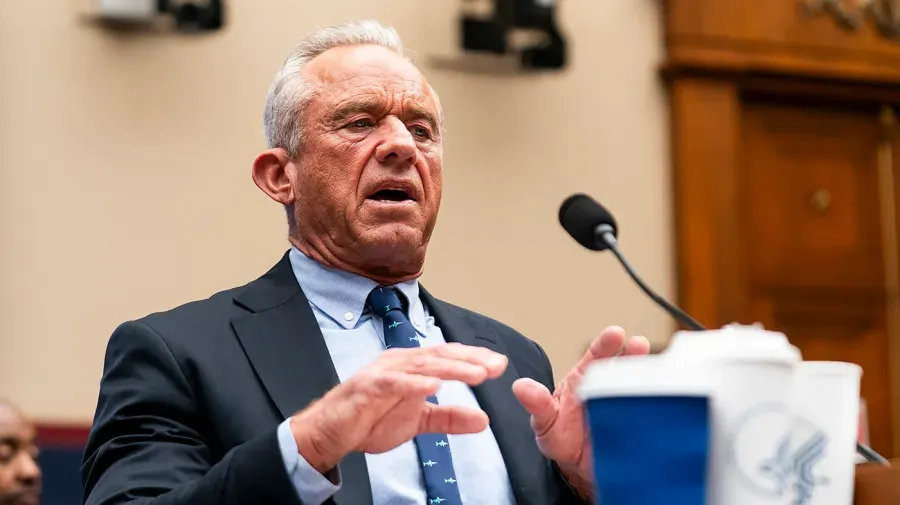
HHS Secretary Robert F. Kennedy Jr. said President Trump “certainly” wants him to investigate any perceived link between autism and vaccines. The remark came during a heated interview with CNN's Dana Bash on “State of the Union,” after Bash pressed on reporting involving the Wall Street Journal.
HHS Secretary Robert F. Kennedy Jr. said President Trump “certainly” wants him to investigate any perceived link between autism and vaccines, in a heated CNN interview with Dana Bash on “State of the Union.” In other words, Kennedy is not treating the autism-vaccine question as a sidelined culture dispute, he is describing it as an investigation the White House wants him to pursue.
The immediate stakes are obvious. If the administration instructs a cabinet secretary to investigate a medical claim that is already politically and scientifically charged, it can change how agencies prioritize staff time, evidence review, and public-facing messaging. For executives and board members watching health policy closely, this is not just about headlines. It is about how regulatory posture can shift, how fast uncertainty can ripple through healthcare markets, and how quickly “perceived links” can become a governing framework instead of a talking point.
To understand why this matters, zoom out for a second at how U.S. health oversight works. HHS sits at the center of the federal government’s public health apparatus, and the office is not just a megaphone. It influences how questions get framed for research, how agency resources get allocated, and how statements are translated into policy actions across the health system. When Kennedy says Trump “certainly” wants an investigation, he is signaling that the executive branch wants an active review process, not passive debate.
The interview format is also a clue. Bash described the moment as “heated,” and she pressed Kennedy after asking if the Wall Street Journal was accurate in reporting. That specific thread matters because it ties the comment to a broader media and accountability environment. When a prominent cabinet official answers under direct questioning about reporting, it suggests the administration is under pressure to clarify what is fact, what is process, and what is commitment. In the real world, this kind of scrutiny does not stay in the studio. It pushes agencies to tighten their narratives and can lead to faster decisions about whether to publish updates, convene reviews, or adjust how evidence is cited.
Now, connect this to second-order implications for decision-makers. First, “investigate” is an operational word. Investigations require workstreams. Even if the outcome ends up being “no change,” the process of reviewing claims can still lead to new guidance, updated reporting templates, or different ways data are analyzed. That can affect stakeholders from vaccine manufacturers to clinics to insurers, because anything that changes federal messaging can change patient demand, clinician behavior, and compliance risk.
Second, the phrase “any link between autism and vaccines” is expansive. Kennedy did not limit it to one type of evidence or one narrow hypothesis. Broad mandates tend to pull in more categories of studies, more stakeholder input, and more public communication. From a governance standpoint, that can raise the risk profile for organizations that rely on federal confidence in vaccination programs, because reputational risk can grow alongside regulatory churn.
Third, there is an attention economy dynamic here. Autism-vaccine questions are not just a policy topic, they are a persistent cultural battleground. When the HHS secretary frames the topic as something the President wants investigated, it can intensify the cycle in which public discourse influences health behavior, which then influences demand, which then influences operational priorities. For companies and boards in healthcare and adjacent sectors, that can mean that strategic planning has to account for policy volatility and information volatility at the same time.
Finally, consider what this signals to peers in government, and to the boards that oversee firms working closely with healthcare regulators. HHS officials are being positioned, publicly, as leaders of a particular line of inquiry. Even if different administrations sometimes change the emphasis of agency priorities, a statement like “certainly” is a strong commitment signal. It suggests the administration wants action, not just acknowledgment. For executives, the takeaway is straightforward: if you operate in a regulated health ecosystem, the operational meaning of a high-level investigation mandate is that timelines can compress, stakeholder messaging can shift fast, and compliance plans may need to accommodate new public-facing narratives.
Kennedy’s remark, delivered during a direct push from CNN’s Dana Bash and tied to Wall Street Journal reporting, is a snapshot of a larger theme: health policy is not only about regulations on paper, it is about how power decides which claims are investigated and how agencies communicate while doing so. The strategic challenge for decision-makers is to separate what is under review from what is already settled, because in the meantime, the market and the public can react to the investigation itself.
This story's Key Insights and Take-aways are locked.
Create a free account to unlock Executive Actions for one credit.
Register to UnlockAlways free for Executives Club members. Join the Club
More in Politics
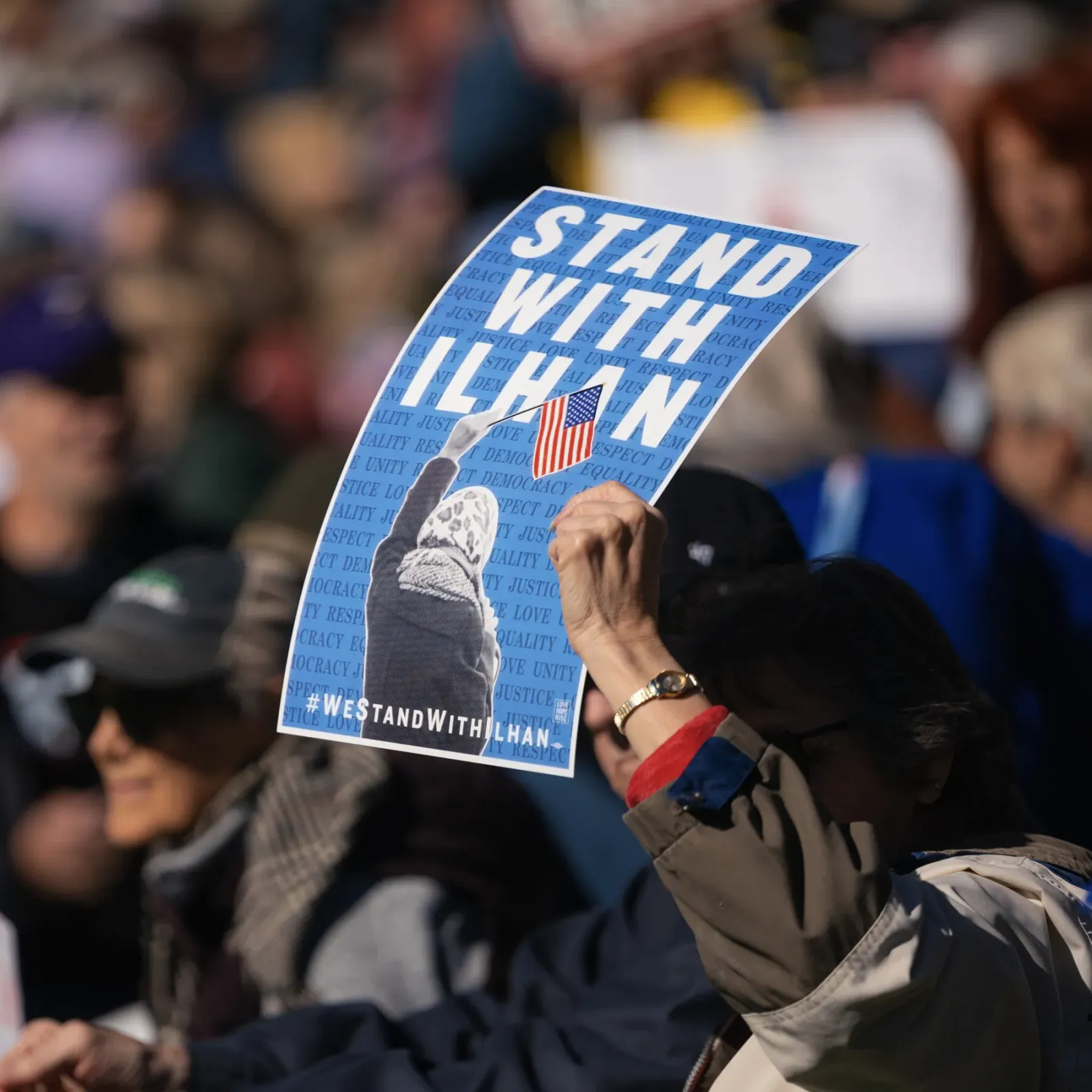
Obama Defends Ilhan Omar After Agents Search Her Home in Trump Inquiry
The former president's intervention raises the stakes in a federal probe into immigration paperwork that has put a prominent progressive lawmaker in the crosshairs.

Blair-era minister: cut welfare to fund youth job support
Alan Milburn's call for welfare cuts to fund employment support opens a Labour fight over benefits and the Neet crisis.
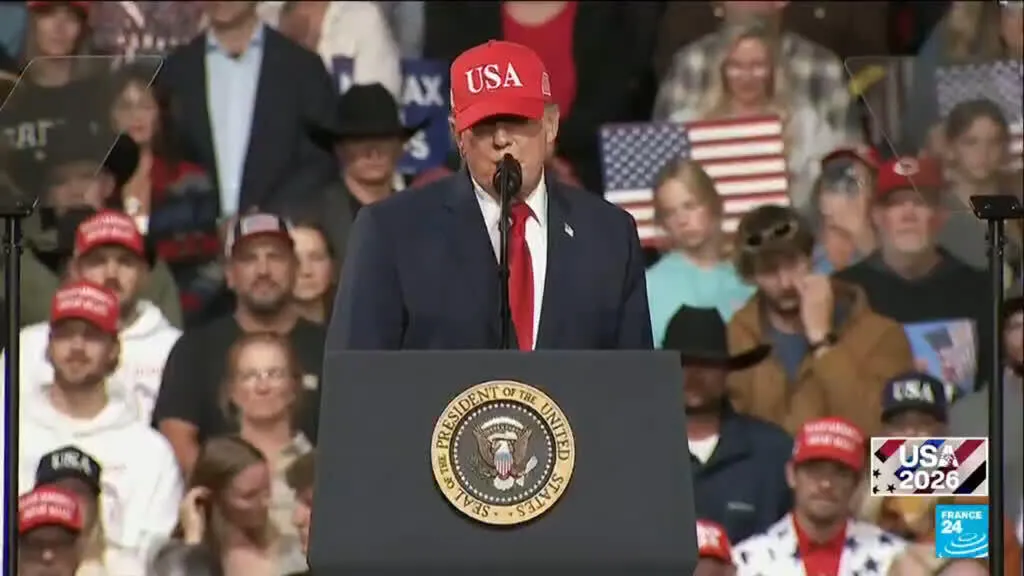
Hot September CPI: energy costs surge, voters feel the squeeze before midterms
The latest inflation print lands as Trump campaigns for GOP control of Congress, putting cost-of-living worries at the center of the midterm fight.