

Rivian CEO RJ Scaringe: Robots, Tariffs, and Diplomacy Are the Future of American Manufacturing
The EV founder's pragmatic playbook for keeping production on U.S. soil - and why it's a wake-up call for every manufacturer.
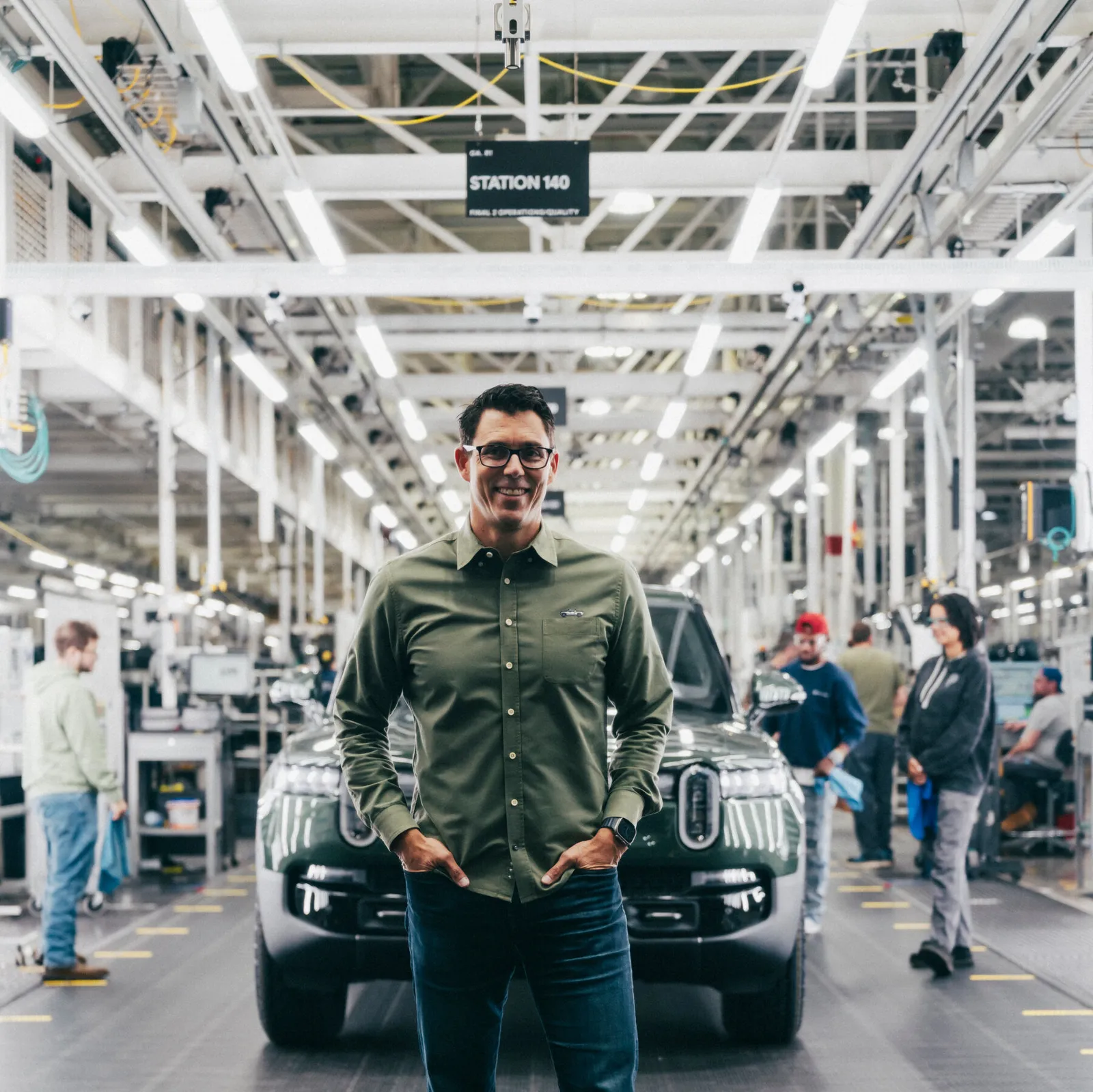
Rivian CEO RJ Scaringe argues that maintaining a U.S. manufacturing base requires a combination of robotics, tariff policy, and diplomatic engagement. For executives, this signals a shift toward pragmatic industrial strategy that blends technology with trade policy.
RJ Scaringe, the founder and CEO of electric vehicle maker Rivian, has a blunt message for anyone betting on the future of American manufacturing: it's going to take more than just good intentions. In a recent interview with The New York Times, Scaringe laid out a three-part formula - robots, tariffs, and diplomacy - that he believes is essential to keeping car production on U.S. soil. It's a pragmatic, even unglamorous, vision from a leader often associated with sleek EVs and futuristic tech.
The stakes are high. Rivian, which operates a sprawling plant in Normal, Illinois, has been fighting to scale production amid supply chain disruptions and intense competition from Tesla and legacy automakers. Scaringe's point is that the era of offshoring manufacturing to cut costs is over. Instead, the future belongs to companies that can combine advanced automation with a savvy understanding of trade policy and international relations.
Start with the robots. Scaringe isn't talking about sci-fi androids; he's talking about the kind of advanced robotics and AI-driven systems that can make U.S. plants more efficient and less dependent on cheap labor. Automation has long been the answer to high domestic wages, but the technology has reached a tipping point where it can handle complex tasks like EV battery assembly and vehicle painting with precision. For Rivian, investing in robotics isn't just about productivity - it's about building a manufacturing base that can compete globally without sacrificing quality.
Then there are tariffs. This is where Scaringe's thinking gets politically interesting. Tariffs, in his view, are a tool to level the playing field against countries that subsidize their own industries or dump cheap goods on the U.S. market. By imposing duties on imported vehicles and components, the government can create an incentive for companies to build here. It's a controversial stance, but one that resonates with a growing bipartisan push for economic nationalism. For executives, this means that trade policy is no longer a back-office concern - it's a boardroom issue that can make or break a manufacturing strategy.
Finally, diplomacy. Scaringe argues that the U.S. can't go it alone. Securing the supply chain for critical minerals like lithium and cobalt, which are essential for EV batteries, requires international cooperation. That means negotiating trade agreements, building alliances with resource-rich countries, and ensuring that the rules of global commerce don't disadvantage American manufacturers. Diplomacy, in this context, is about creating a stable and predictable environment for investment - something that's become increasingly rare in a world of trade wars and geopolitical tensions.
For other executives, Scaringe's message is a wake-up call. The old playbook of chasing the lowest labor costs is obsolete. Instead, manufacturing strategy must integrate technology, policy, and geopolitics. Companies that ignore any of these three pillars risk being left behind. Consider the recent struggles in the auto industry: supply chain shocks, semiconductor shortages, and the rapid shift to EVs have all exposed the fragility of globalized production. A resilient manufacturing base, Scaringe suggests, is one that's deeply embedded in the domestic economy and protected by smart policy.
The broader implications are significant. If Scaringe's vision takes hold, we could see a wave of investment in U.S. factories, not just in autos but across industries. That would have ripple effects on employment, innovation, and even national security. But it also requires a level of coordination between business and government that has been rare in recent decades. The question is whether policymakers are ready to embrace a more interventionist approach, and whether companies are willing to make the long-term bets that reshoring demands.
For now, Scaringe is putting his money where his mouth is. Rivian's Illinois plant is a testament to his belief in American manufacturing, and the company continues to expand its production capacity. But the path forward is anything but easy. It will require relentless innovation, tough negotiations, and a willingness to adapt to a rapidly changing world. For CEOs and boards, the takeaway is clear: the future of manufacturing isn't just about technology - it's about understanding the intersection of robots, tariffs, and diplomacy. Those who get it right will define the next era of American industry.
This story's Key Insights and Take-aways are locked.
Create a free account to unlock Executive Actions for one credit.
Register to UnlockAlways free for Executives Club members. Join the Club
More in Business
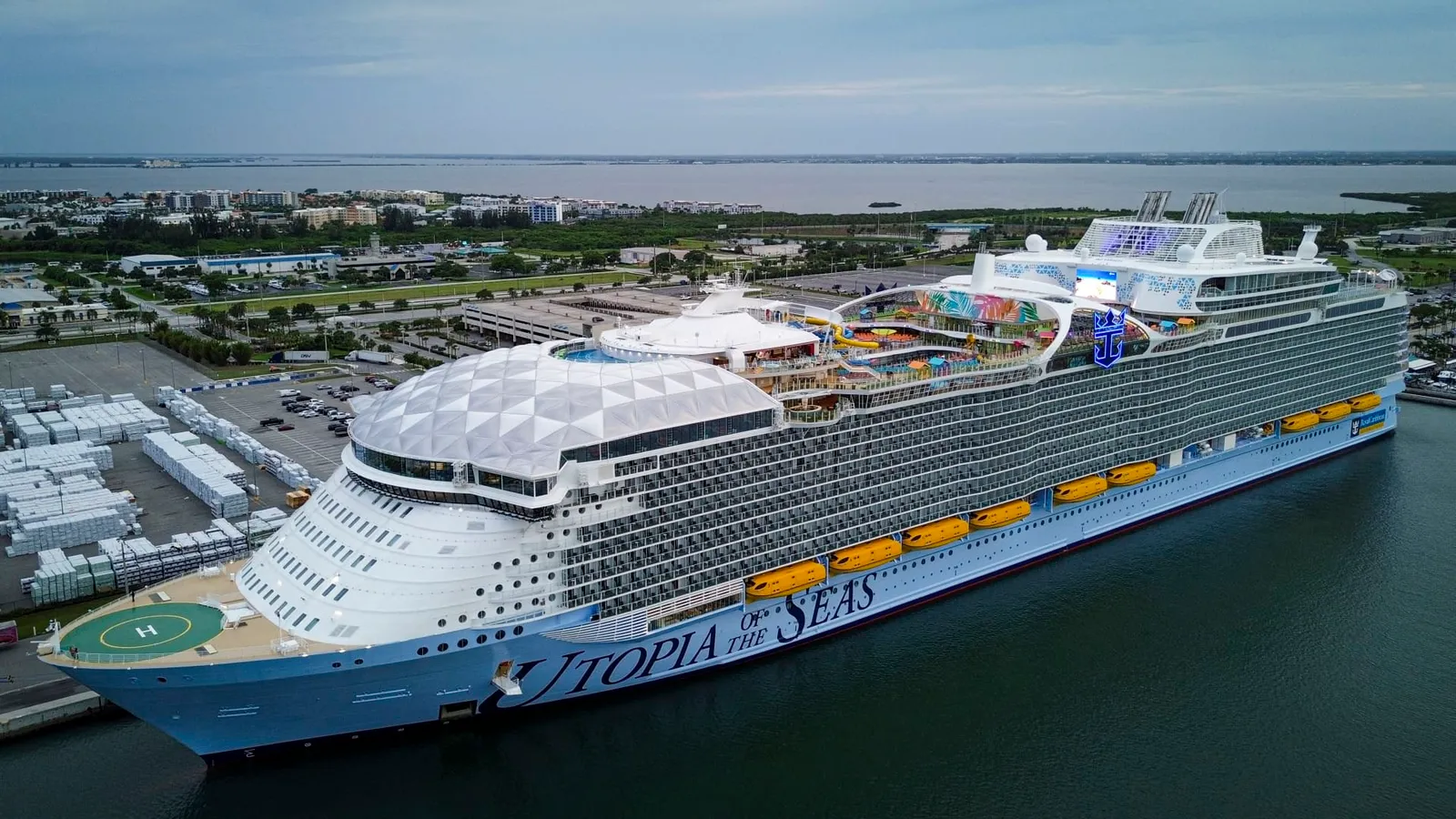
Royal Caribbean just spent $3B to own half of Sandals
The cruise giant is buying a 50% stake in the all-inclusive resort chain for $3 billion, a bet that land-based vacations are the next growth engine.

Paramount's Ellison: Merger Clearance Done, WBD Deal by Oct 1
David Ellison says the Paramount-WBD merger has full clearance after settling with state AGs, clearing the path for an October 1 close.
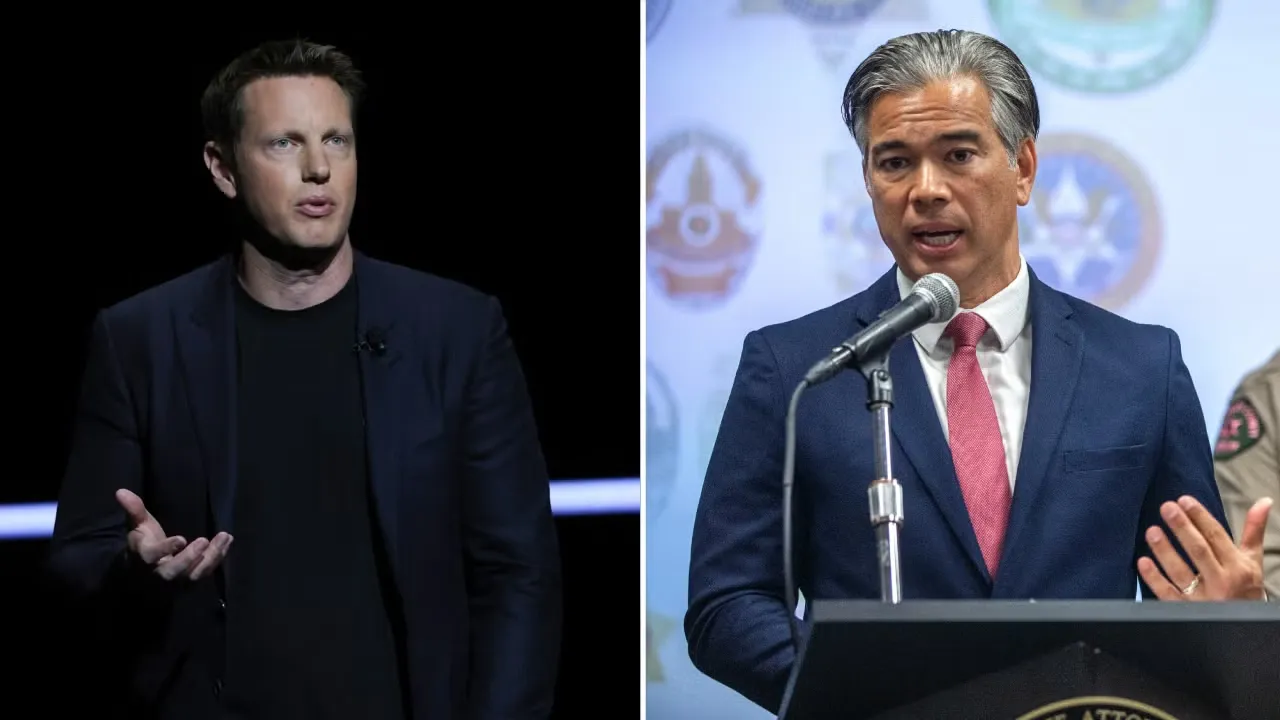
Paramount settles with 12 states, $110B Warner merger clears final hurdle
David Ellison's studio avoids a March trial and a $7M-a-day ticking fee by settling with state AGs over local job losses.