
Ro Khanna posts video; Israel’s ambassador says his “lying” claim is political stunt
A detention dispute in the South Hebron hills escalates into a public fight over evidence and political intent.
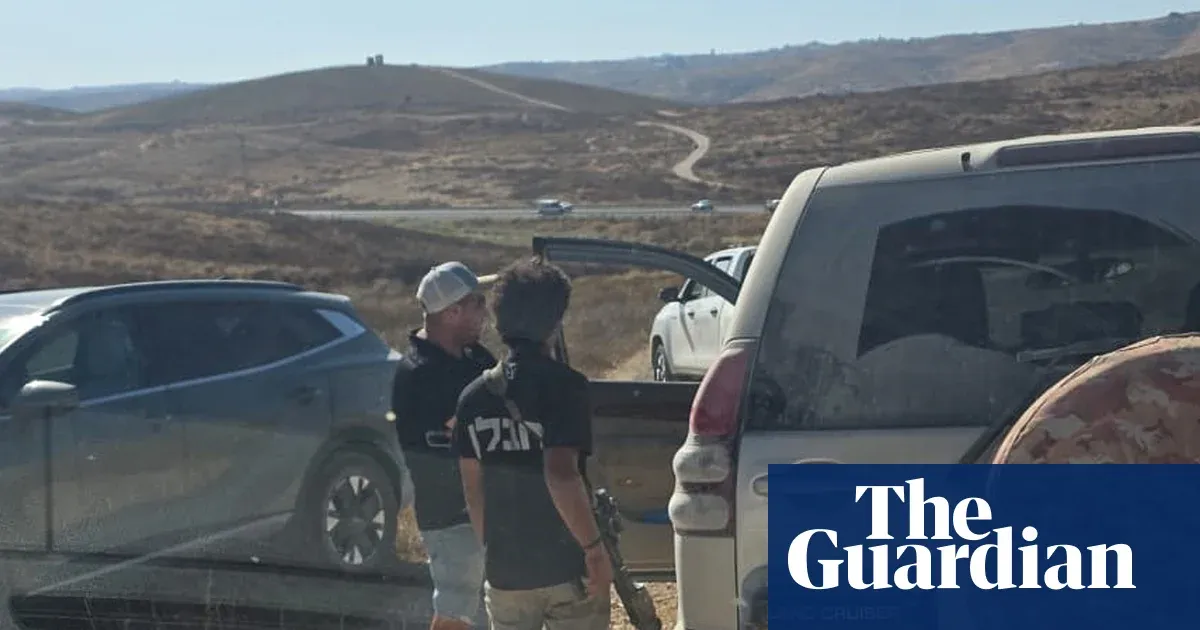
U.S. Congressman Ro Khanna, a California Democrat, accused Israel’s government and military of “lying” about his detention by armed settlers and Israeli soldiers. Israel’s U.S. ambassador responded by accusing Khanna of a political stunt to distract from support for Graham Platner.
U.S. Congressman Ro Khanna went public with video evidence, then accused Israel’s government and military of “lying” about what happened to him during his recent visit to the Israeli-occupied West Bank. Khanna is a California Democrat, and he said Israeli settlers and Israeli soldiers blocked the path of his convoy on Wednesday in the South Hebron hills, near the village of Zanuta.
That timing matters because the claim is not just about one day in one place. Khanna said the dispute centered on his detention by armed settlers and Israeli soldiers. In response, Israel’s ambassador to the U.S. accused Khanna of running a political stunt, with the specific allegation that the move was designed to distract from support for Graham Platner.
To understand why this kind of escalation becomes so consequential, it helps to look at the incentives. Public evidence plays a dual role. For the congressman, video can function as a record meant to constrain competing narratives. For governments and militaries, a counter-narrative is often equally strategic, because it controls what policymakers, donors, and lawmakers believe is credible.
The source also frames the location and the wider context. The incident happened in the South Hebron hills near Zanuta, where, according to the article, Israelis have driven Palestinians from their homes. The piece adds that Amnesty International calls this a government-backed “ethnic cleansing campaign.” Even without adjudicating the legal claims, those labels are politically combustible. They influence how U.S. audiences interpret the video. They also affect how quickly journalists, advocacy groups, and members of Congress categorize the incident: as a security event, a rights violation, or both.
The Israeli ambassador’s accusation shifts the conflict from “what happened” to “why is it being said now.” Claiming a political stunt is a familiar move in high-scrutiny disputes. It aims to undermine not only the factual basis of a claim, but also the credibility of the messenger, which can change how other lawmakers decide whether to engage, investigate, or escalate. In practice, these fights can become a kind of political gravity. Once the question becomes intent, it can be harder for institutions to focus on the evidence itself.
This is where the Graham Platner mention becomes more than a name drop. The ambassador’s framing implies a linkage between public attention on Khanna’s detention claim and ongoing support for Graham Platner. When external attention gets rerouted, it can reshape which issues lawmakers prioritize, how hearings get scheduled, and what topics appear in talking points. For executives and boards who operate in environments shaped by U.S. foreign policy, this kind of narrative contest can also spill into reputational risk models, partner due diligence, and government-relations planning, even if the companies involved are not directly connected.
A second-order implication is how quickly social media evidence can force institutions to react. Khanna posted video evidence on social media of Israeli settlers and soldiers blocking the path of his convoy on Wednesday. When the initial materials are already public, it compresses decision time for governments, diplomatic staff, and oversight bodies. Instead of treating the incident as something to be clarified quietly, leaders are pushed into a public cycle of rebuttal and counter-rebuttal, where speed can matter as much as accuracy.
Finally, the dispute highlights how detention narratives in conflict zones can become tests for credibility across political systems. Khanna’s claim is that the government and military are “lying” about his detention. The ambassador says Khanna is running a political stunt. That is a high-voltage pairing: one side attacks the truthfulness of official accounts, while the other attacks the motivations of an elected representative.
For other decision-makers watching this unfold, the strategic lesson is straightforward: in polarized environments, evidence is never just evidence. It is also leverage. It can redirect attention, alter legislative posture, and affect how coalitions align around human rights, security claims, and international diplomacy.
This story's Key Insights and Take-aways are locked.
Create a free account to unlock Executive Actions for one credit.
Register to UnlockAlways free for Executives Club members. Join the Club
More in Politics
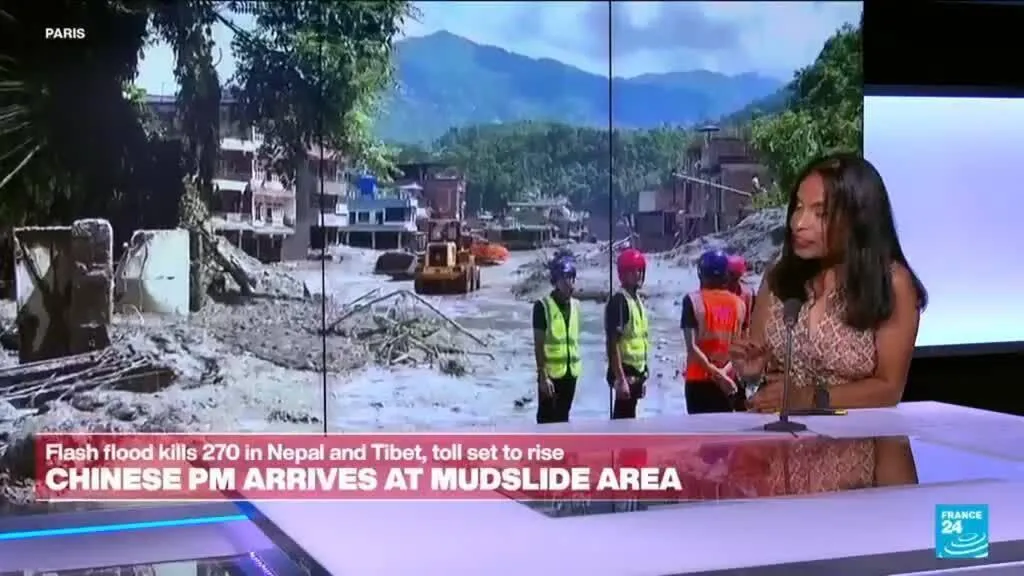
Glacial collapse, not rain, killed 180 in Nepal's Himalayan flood
The Himalaya's extreme geography hid the true cause of Nepal's catastrophic flood, a glacial collapse that turned a geological battleground into a mass-casualty zone.

Iran’s Esmail Baghaei says Oman talks start shipping via Hormuz, not US talks yet
Temporary route plans with Oman aim to restart commerce while Tehran says Washington dialogue is not on the table.
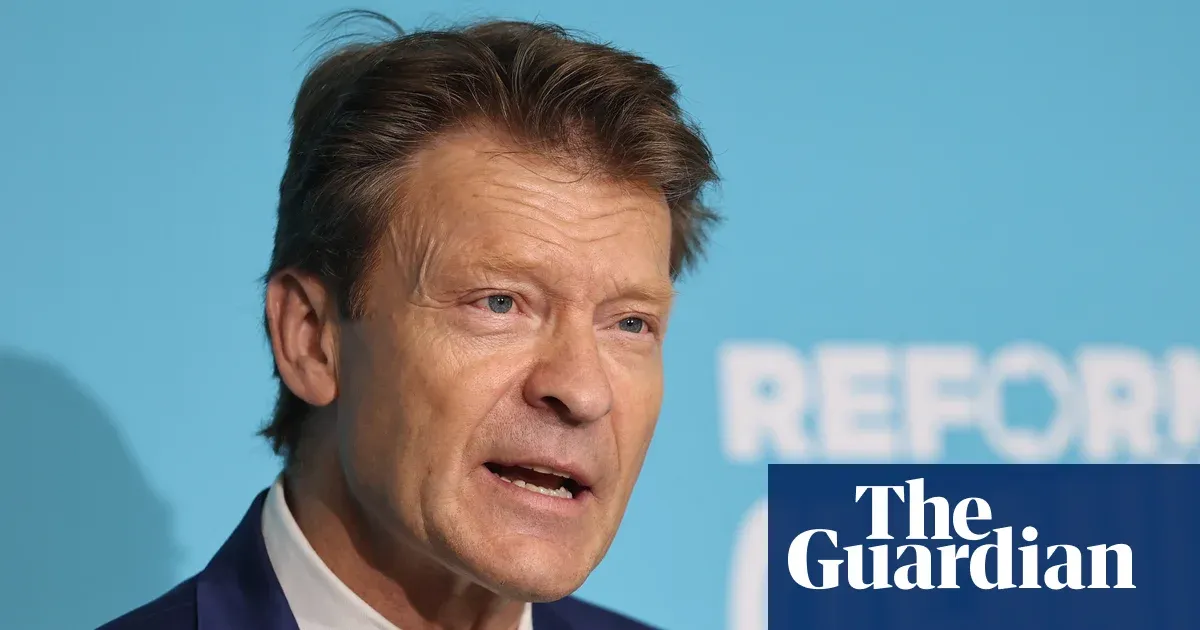
Standards watchdog opens probe into Reform UK deputy leader Richard Tice over interests
The parliamentary standards commissioner says it began an investigation on 28 July into a possible undeclared interest.