
Roelof Botha joins SpaceX board, reuniting with Elon Musk after Sequoia exit
The Sequoia steward turned long-time investor links arms again with Musk right after SpaceX’s IPO and his leadership change.
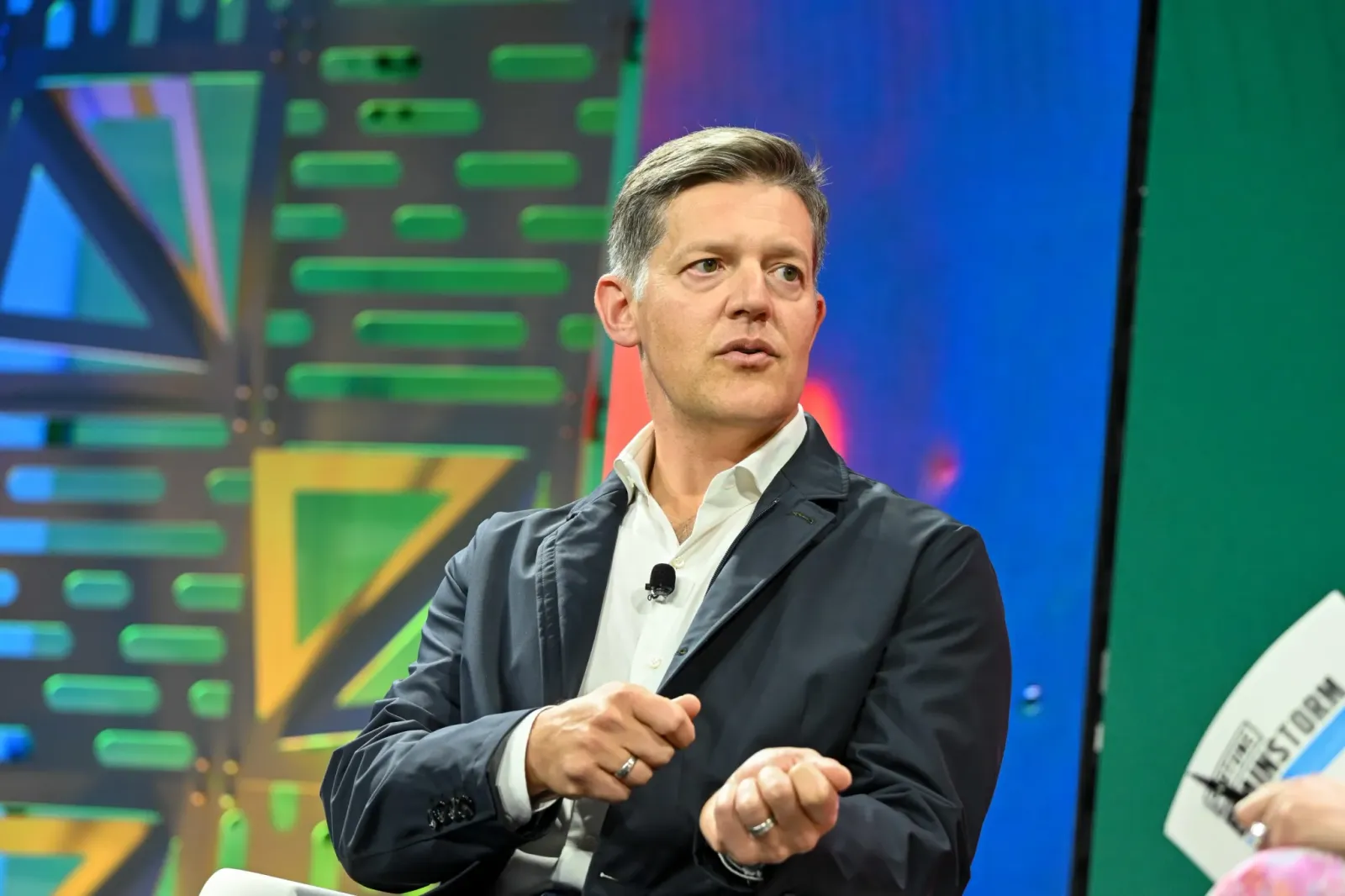
Roelof Botha, a longtime Sequoia Capital investor and former steward, has joined the board of SpaceX, according to a filing. The move re-grounds SpaceX’s boardroom in the same PayPal-era relationship Musk and Botha built decades ago.
Roelof Botha has joined the board of SpaceX, and the timing practically dares you to connect the dots. The filing says Botha is moving from Sequoia Capital leadership to a direct governance role at SpaceX less than a week after the company’s historic IPO and about seven months after he stepped down as Sequoia steward. If you make decisions in venture, boards, or capital allocation, this matters for one simple reason: SpaceX’s next chapter is no longer just “venture momentum.” It is public-market scrutiny, and the board is where speed meets accountability.
Botha is not a random add-on. Fortune reports that he spent more than two decades at Sequoia Capital and served as the VC firm’s steward, a title Sequoia uses for its leader. His tenure lined up with a notoriously difficult period for the firm, and yet he remains closely associated with the Sequoia track record that includes major winners like YouTube, Instagram, Block, and MongoDB. Now, he is taking that playbook and relationship capital into SpaceX governance, where it will influence how the company navigates capital markets, tech execution, and long-term strategy under a microscope.
To understand why investors and operators should care, you have to look at the relationship thread. The source connects Botha and Elon Musk through their work together in the dotcom era, when Botha served as CFO at PayPal, a company where Musk was a cofounder. Fortune adds that Botha and Musk reportedly bumped heads back then, over culture and software. That detail is important because it implies this is not a cozy bromance board appointment. It is a professional partnership that has survived disagreement, distance, and changing phases of both companies.
The relationship has held through decades. Fortune notes that Sequoia is among SpaceX’s key venture backers, tying Botha’s VC network to SpaceX’s early funding DNA. And Botha’s connection to Musk did not stop at PayPal. In a wide-ranging Fortune interview last year, Botha talked about Musk in the context of public uproar around Musk’s DOGE efforts. Fortune includes Botha’s direct quote from that interview: “I’ve known Elon for over 25 years,” and that Musk was the first person to offer him a job in America, that Musk believed in him when he was an unknown student at Stanford, and that Botha has “a lot of appreciation and understanding” that Musk is “not perfect.” Botha also said: “He deeply cares about doing the right thing,” and acknowledged that “You may fault some of his actions,” and that “Maybe there are unintended consequences. Maybe he hasn’t considered all the ramifications, but the intent is pure.” For this article, Botha declined comment.
Now zoom out to the mechanics of what changes when someone like Botha moves onto a public-company board right after an IPO. Before IPO, a company can lean harder on investor support and long-duration bets. After IPO, it lives in a different neighborhood: quarterly expectations, governance norms, and a steady drumbeat of regulatory and compliance obligations. The source does not spell out specific regulatory actions tied to the appointment. But it does establish the sequence that executives will clock immediately. SpaceX’s historic IPO is recent, and Botha’s board seat arrives within a week. That means board oversight around disclosure discipline, risk management, and capital strategy will be part of the job from day one, not “someday.”
For Sequoia itself, the storyline is also a reminder of how leadership transitions ripple. Fortune reports that Botha stepped down as Sequoia steward about seven months earlier. The steward role is effectively the top leadership seat at the firm. In other words, Botha’s board move is not a demotion or a retirement lap. It is a pivot from steering a VC institution’s culture and decisions to directly governing one of its most consequential portfolio bets. And because Fortune notes that Botha’s tenure overlapped with a difficult era for Sequoia, the appointment reads like a vote of confidence in his judgment and relationships even as the firm’s period of turbulence has been part of the public conversation.
So what are the second-order implications for other executives and boards? First, this appointment reinforces how critical founder-adjacent investors remain in the post-IPO era. Public markets can punish missteps, but they do not erase the strategic value of people who have watched the same founder execute across different cycles. Second, it signals continuity in SpaceX’s stakeholder ecosystem. Sequoia’s status as a key venture backer is not incidental; governance is now being shaped by someone who already understands SpaceX’s risk profile from the earliest funding days. Third, it raises the bar for how boards balance speed and scrutiny, especially when founders have a history of creating friction and debate.
For founders, investors, and board members, the takeaway is straightforward: board composition is not just ceremony after an IPO. It is how companies operationalize long-term bets under public pressure. Roelof Botha’s move from Sequoia steward to SpaceX board, and his decades-old link to Musk through PayPal, lands at a moment when SpaceX is transforming from venture-backed ambition to a governed public company. The question is not whether relationships matter. It is whether the board can translate deep industry knowledge and long memory into decisions that withstand the new rules of being publicly visible.
This story's Key Insights and Take-aways are locked.
Create a free account to unlock Executive Actions for one credit.
Register to UnlockAlways free for Executives Club members. Join the Club
More in Business

A flaw in PHP just forced governments to pull their own sites offline
European agencies from Belgium to Germany took websites dark to patch a critical weakness in the language behind almost 70% of the web, and the blast radius extends far beyond government portals.
BioWare shuts down, Mass Effect 5 dead after $55B EA buyout
The legendary RPG studio's closure lands months after a $55 billion investment group buyout of EA, raising tough questions for gaming's biggest acquirers.
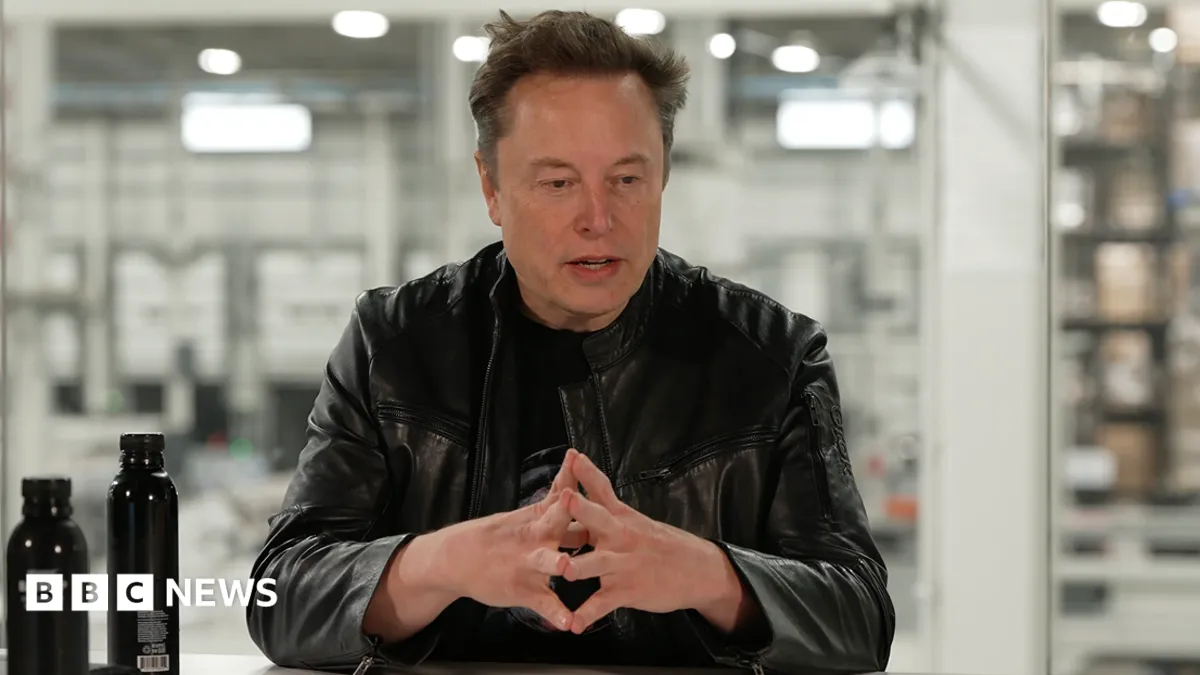
Musk weighs Tesla-SpaceX mega-merger as boards form review panels
Special committees at both companies will examine a tie-up that could fuse electric vehicles and space launch, forcing a fresh look at governance and valuation.