
Ron Baron buys $1B of SpaceX shares at IPO, raising stake to $25B
Baron goes bigger in SpaceX at IPO, betting on a long runway of value and a market reshaping timeline.
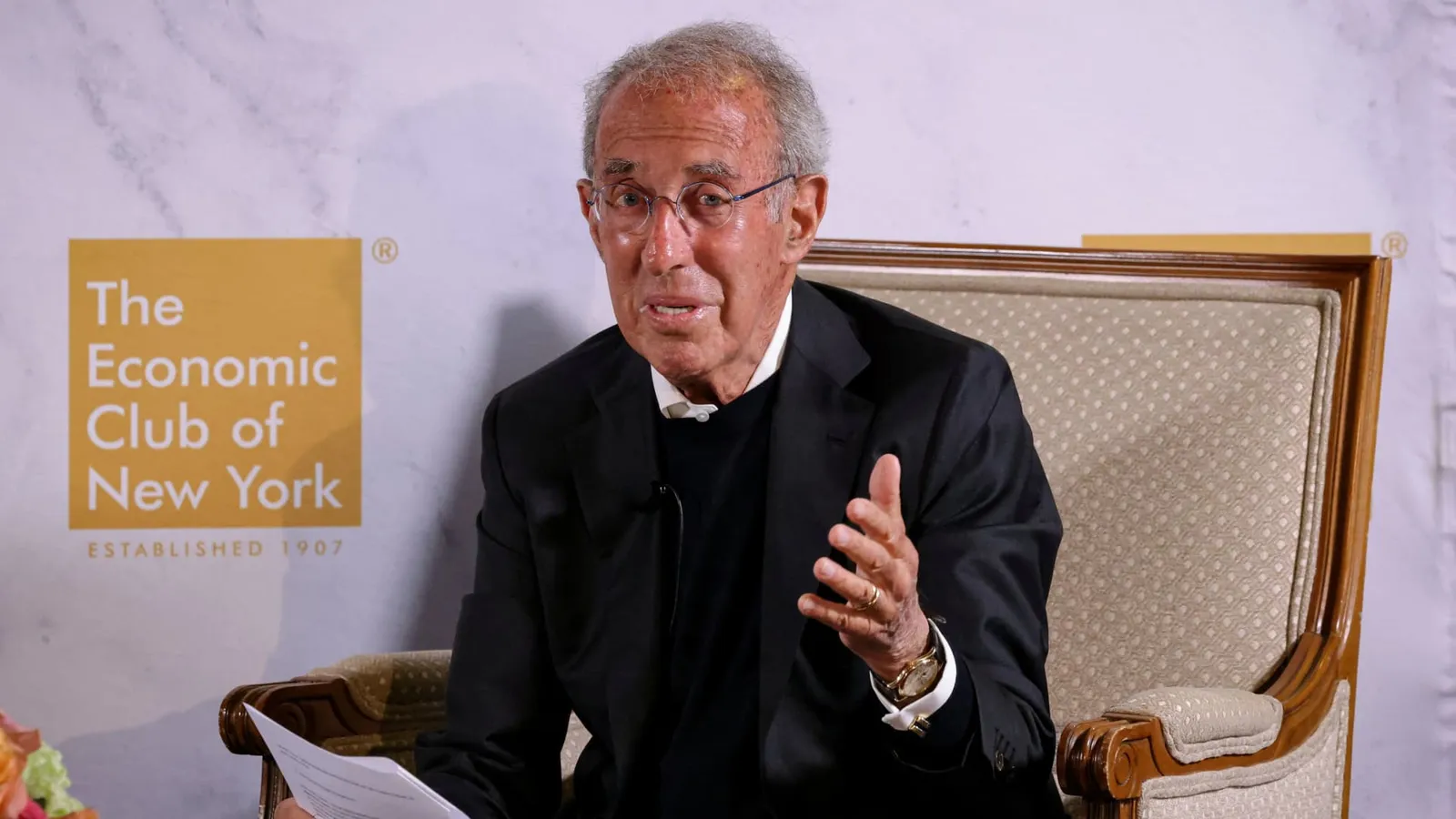
Ron Baron bought $1 billion of SpaceX shares in the IPO, lifting his stake to $25 billion. On CNBC's Squawk Box, Baron said, 'I think we're gonna make hundreds of billions of dollars,' pointing to a valuation thesis decision-makers should watch.
Ron Baron bought $1 billion of SpaceX shares in the IPO, lifting his stake to $25 billion, according to CNBC. That is the headline, and it matters because it shows conviction expressed in dollars, not vibes. Baron also told CNBC on Monday’s “Squawk Box” that he thinks, “I think we’re gonna make hundreds of billions of dollars.”
For anyone tracking venture-to-public value creation, this is a very specific signal. Buying $1 billion at the IPO stage is not a minor addition. It is a commitment that pushes a single investor’s exposure into the “this can move the needle” range, with Baron’s stake now at $25 billion. In other words: if SpaceX’s trajectory plays out in the way Baron expects, the outcome is potentially transformative, not incremental. And if it does not, the same concentration makes the downside personal and unavoidable.
To understand why executives and board members should care, zoom out one layer to how IPO pricing and ownership structure typically work for high-growth private companies. In most IPOs, the public debut sets an initial market narrative about growth expectations, competitive positioning, and risk. But for the biggest private holders, the bigger story often becomes what they choose to do with the liquidity moment. Do they sell for diversification? Do they buy more to increase influence? Baron’s move suggests a preference for the second path: leaning in right when a company turns more visible and more scrutinized.
That matters because public ownership changes the day-to-day incentives around governance, information flow, and market discipline. Private-company dynamics can be dominated by a smaller set of investors and founders negotiating long-term bets. Once you are public, expectations tighten: investors want clearer milestones, more predictable updates, and a storyline the market can price. Even when companies remain operationally focused, the presence of public shareholders increases the pressure to translate technical progress into financial narratives.
Space, and rockets in particular, also carry structural realities that shape how value compounds. SpaceX sits at the intersection of hardware, manufacturing scale, launch cadence, and downstream services. Those are the types of businesses where progress can be lumpy and still eventually end up nonlinear in value. An investor backing the IPO is effectively betting not only on engineering execution, but on the ability to turn that execution into repeatable economic output. Baron’s “hundreds of billions of dollars” quote is not a formal forecast in the source text beyond his belief on CNBC, but it still highlights the size of upside he is underwriting.
There is also a second-order boardroom implication here. When an investor with a massive stake like Baron’s acts decisively at IPO, it can influence how other large shareholders think about signaling. Institutional investors often look for clues about who has done the deepest diligence and who is willing to take market risk alongside the company. That does not mean others will copy the trade, but it does affect sentiment and internal debate: should boards and management teams anticipate more or less patience from capital providers? In high-stakes markets, conviction can compress uncertainty, and uncertainty drives cost of capital.
Finally, look at what this means for peers. If investors start treating IPOs as opportunities to add size to already-large exposures, companies coming to market may face a slightly different investor mix, with more stakeholders focused on long-horizon value rather than near-term trading. That can be good for companies trying to build durable businesses. It can also raise the stakes for management to deliver milestones that keep that long-horizon story credible.
Baron’s stake reaching $25 billion after buying $1 billion in the IPO is a stark reminder that in frontier sectors, the biggest moves are often concentrated moves. The strategic question for executives and board members is not whether SpaceX is special. It is whether their own companies can offer a roadmap and risk profile that earns comparable conviction when the public spotlight arrives.
This story's Key Insights and Take-aways are locked.
Create a free account to unlock Executive Actions for one credit.
Register to UnlockAlways free for Executives Club members. Join the Club
More in Business

Anthropic's S-1 reveals $80.7B loss as it races OpenAI to IPO
The Claude maker files publicly for a Nasdaq listing under 'ANT,' exposing staggering losses and a world-altering ambition before it can beat OpenAI to the market.

A flaw in PHP just forced governments to pull their own sites offline
European agencies from Belgium to Germany took websites dark to patch a critical weakness in the language behind almost 70% of the web, and the blast radius extends far beyond government portals.

BioWare shuts down, Mass Effect 5 dead after $55B EA buyout
The legendary RPG studio's closure lands months after a $55 billion investment group buyout of EA, raising tough questions for gaming's biggest acquirers.