

RuneScape turned 25, proving MMOs can become daily-life social infrastructure
From rainbow capes in a medieval chapel to gender-inclusive clans, the MMO’s staying power is the point.
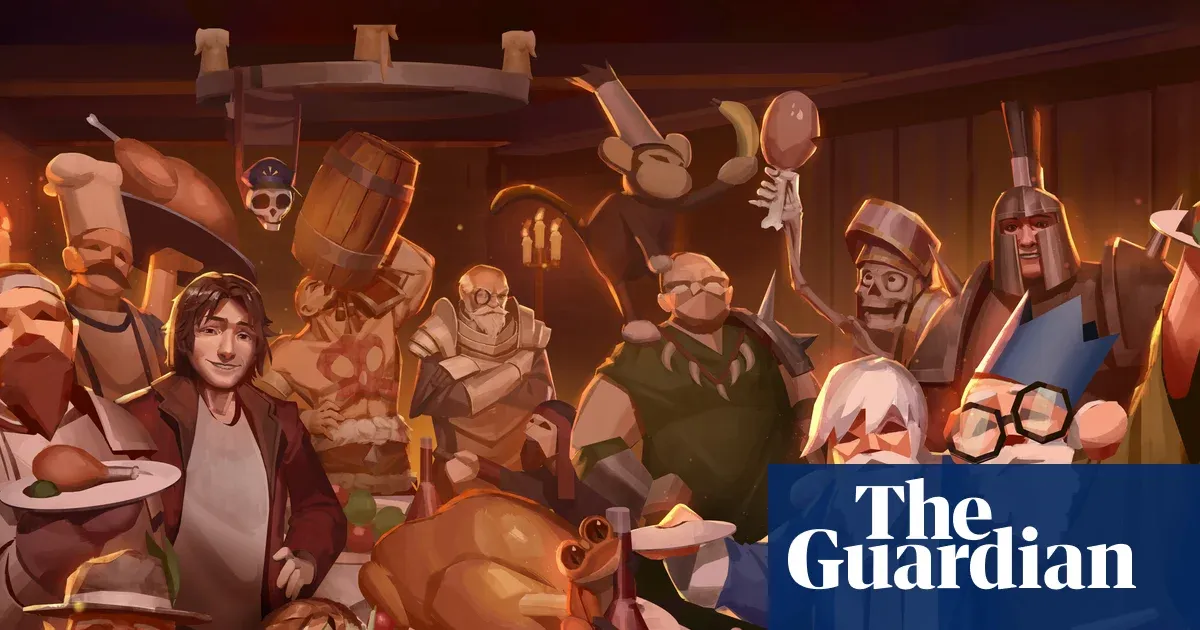
RuneScape, the massively multiplayer online role-playing game set in the realm of Gielinor, turned 25 this year. For decision-makers, its endurance shows how community features and identity support can outperform “content treadmill” thinking over time.
RuneScape just turned 25, and the “MMO as a game” story misses the real headline: it is now a daily-life social infrastructure for thousands of players. The proof is delightfully specific. In a small stone chapel on the edgelands of a medieval wilderness, two women get married. Around them are attenders in rainbow capes, glowing armour, and top hats. Above the brides hover bright yellow “I do,” while a muscular man with angel wings officiates. That ritual is the kind of thing you would expect from a community that has stopped behaving like software and started behaving like a culture.
The community part is not incidental. The source frames RuneScape as having grown into “a virtual social space and part of daily life for thousands of players” over its lifetime, and it connects that growth to real relationships. Lancashire-born Amelia, one of the pixelated newlyweds, met her wife on a dating app, but their bond first formed through RuneScape. Her first and second date were “pretty much exclusively talking about RuneScape,” and four years later they were married, followed by an in-game ceremony. Morgan, a 26-year-old from the Midlands and one of Amelia’s closest friends, also met their closest connections through the game, and helped build a clan called UWU Girls.
UWU Girls matters because it is a blueprint for what MMO “stickiness” can look like when it is engineered around identity and belonging, not just mechanics. Morgan founded the clan as a bid to cater to players across the gender spectrum, and the source adds that it includes IRL meetups. For a number of these women, Morgan’s line is clear: these meetups have been their first meetings with strangers online, and Morgan says it has been the same for them. That shifts the way you think about retention. The game becomes the onboarding funnel, the shared language, and the social proof system. In other words, the product is not only what happens on screen. It is the network effect that starts inside the client and can extend into real life.
If you are an operator, investor, or board member, the interesting part is what this implies about incentives. A multiplayer game with longevity has to keep two different promises at once: it must remain enjoyable as a product, and it must remain safe and meaningful as a social space. The source does not detail design decisions or policy changes, but the outcomes it highlights are consistent with a long-running approach to community: rituals like in-game weddings that allow players to express milestones, and group structures like clans that can form around under-served identities. When those things stick for decades, they become durable moats. Players do not just know the game. They know the people and the norms inside it.
There is also a second-order implication for how boards evaluate “virtual communities” in risk and governance terms. Once a game supports IRL meetups, the platform starts touching issues that regulators and lawmakers care about in other contexts: online-to-offline interactions, safeguarding, and the responsibilities of operators when communities form across sensitive identities. The source does not mention a specific regulator or compliance regime for RuneScape, so you should not read more into it than what is there. But the lived facts it presents, IRL meetups enabled by a game clan and relationships that begin on the basis of a game, make governance harder than “content moderation” alone. It becomes an operational question: how do you support community while managing harms? The better the community outcomes, the more scrutiny the community dynamics can attract.
Market context: MMOs live in a capital-intensive ecosystem where “new content” often becomes the default strategy. That strategy works until it does not, because content schedules can burn teams and budgets while players drift to whatever is newest. RuneScape’s 25-year arc, as described in the source, suggests a different long-term thesis: social permanence beats churn. When a platform becomes the place where people meet, date, and celebrate, it reduces the odds that users will leave for the next shiny thing. Amelia’s story makes that personal. Morgan’s story makes it collective. Together, they point to retention that is not purely mechanical. It is relational.
For executives in adjacent industries, the lesson is not “copy RuneScape.” The lesson is that platforms can become identity-friendly, ritual-capable community spaces that players rely on. If you are building, funding, or governing anything with user communities, the bar should be higher than features. You need spaces where people can belong, organize, and mark life moments, and you need governance that can handle the fact that some users will treat the community as real life. RuneScape’s survival to 25, culminating in a marriage in a medieval chapel with glowing armour and bright “I do,” is a reminder that the biggest tech advantage can be culture that outlives releases. And for anyone responsible for long-term performance, that is the strategic stakes: build for years, not just launches.
This story's Key Insights and Take-aways are locked.
Create a free account to unlock Executive Actions for one credit.
Register to UnlockAlways free for Executives Club members. Join the Club
More in Entertainment

Russell Brand's accuser 'bewildered and confused' as he denies 7 sex charges
The criminal case against the comedian is a live test of how media companies manage talent risk when serious allegations go public.

'It's a Magic Trick': Ballet Experts Say Rosalía's SNL Pose Is Impossible
Three ballet experts tell Rolling Stone Rosalía's gravity-defying SNL stillness shouldn't be possible - and why the debate is now part of the show.

Activision CMO: GTA 6 Will Boost Call of Duty, Not Bury It
Activision's top marketer says Rockstar's blockbuster will drive players back to consoles and into Modern Warfare 4, even as the company admits its recent strategy failed.