

Rupert Lowe urges Nigel Farage to team up on “serious policies”
The Restore Britain leader proposes a truce, then immediately lists a hard-edged platform for sweeping reform.

Rupert Lowe, leader of Restore Britain, told Nigel Farage of Reform UK to put “personalities and our past disagreements aside” for “the good of the country.” Lowe added that both sides would work together if Farage was prepared for “serious policies, serious reform and serious government.”
Rupert Lowe, leader of Restore Britain, just offered Nigel Farage a political handshake that reads like a working agreement: set aside “personalities and our past disagreements” and team up “for the good of the country.” And Lowe made the condition explicit. He told the Reform UK leader that if Farage was prepared to work together around “serious policies, serious reform and serious government,” then Restore Britain is ready to do the same.
That matters because Lowe’s olive branch is not a vague unity plea. It comes packaged with a detailed policy agenda that includes mass deportation of illegal migrants, tougher rules on legal migration, and a referendum on the death penalty. In other words, this is an attempted merger of brands and votes, but also a hard test of where Farage and his party stand when the temperature rises on immigration and justice.
Start with the core pitch: Lowe calls for mass deportation of illegal migrants “including women and children.” In a political system where immigration is not just a social issue but a top-tier voter signal, that is a specific, high-friction policy direction. It also sets a clear bargaining posture. If your coalition partner wants unity, they have to accept the direction of travel, not just the optics. The fact that Lowe is naming deportations “including women and children” also tells you the agenda is built to maximize salience, not to soften edges.
Then Lowe turns to migration rules on the legal side. He supports tougher rules on legal migration, plus a ban on halal and kosher slaughter, restrictions involving the burqa, limits on cousin marriage, and changes that would affect sharia courts. Each item is culturally targeted, legally significant, and operationally consequential. Policies like these do not live in a vacuum. They require enforcement capacity, legal drafting, administrative reach, and constant controversy management because they touch religion, family life, and local justice structures. Even if you are not a politician, you should understand the second-order dynamic: when a platform moves from general principles to specific restrictions, implementation becomes the story, and implementation creates friction in courts, agencies, and communities.
Lowe also proposes a referendum on the death penalty, along with welfare cuts to fund “self-sufficiency.” For decision-makers watching this kind of agenda, the pattern is consistent. The platform pairs punitive measures in immigration and criminal justice with economic restructuring through welfare. That combination signals a governing logic: tighten entry, toughen consequences, and reallocate social support toward a particular definition of work and independence. It also sets up a budget and administrative challenge. Welfare cuts are not just messaging. They are choices about eligibility, timing, enforcement, and the downstream effects on household stability.
One of the most governance-heavy parts of Lowe’s list is the exclusion of former Tory ministers from any future cabinet. That is a classic coalition-killer and coalition-builder at the same time. It reassures some voters who are tired of the traditional establishment, but it raises the barrier for coalition-building with mainstream-adjacent talent. In business terms, it is like an incoming CEO saying the board cannot include certain “legacy” executives. You can build a team quickly if you have candidates ready. If you do not, you either dilute the rule or you slow the transition. Politically, that choice affects staffing, credibility with institutional stakeholders, and the ability to translate policy language into government action.
So where does Farage fit into this? The structure of Lowe’s message is a bargain: work together if Farage is prepared for “serious policies, serious reform and serious government.” That phrase is doing real work. It implies Restore Britain thinks Reform UK has to meet a threshold on competence and ambition, not just on messaging. It also implies Lowe believes the two can align enough to justify cooperation, but only around a specific policy core.
For executives, investors, and other operators who track politics because it moves regulation, migration systems, and public spending priorities, the takeaway is straightforward. Watch how quickly parties convert coalition talk into implementable policy. A truce is easy. A governing agenda is harder. Lowe’s olive branch, paired with his policy list, suggests the next phase of UK political bargaining will not be about vibes. It will be about whether partners can agree on deportation intensity, legal migration tightening, religious and family-law restrictions, the death penalty referendum pathway, welfare restructuring, and who is allowed into power.
This story's Key Insights and Take-aways are locked.
Create a free account to unlock Executive Actions for one credit.
Register to UnlockAlways free for Executives Club members. Join the Club
More in Politics
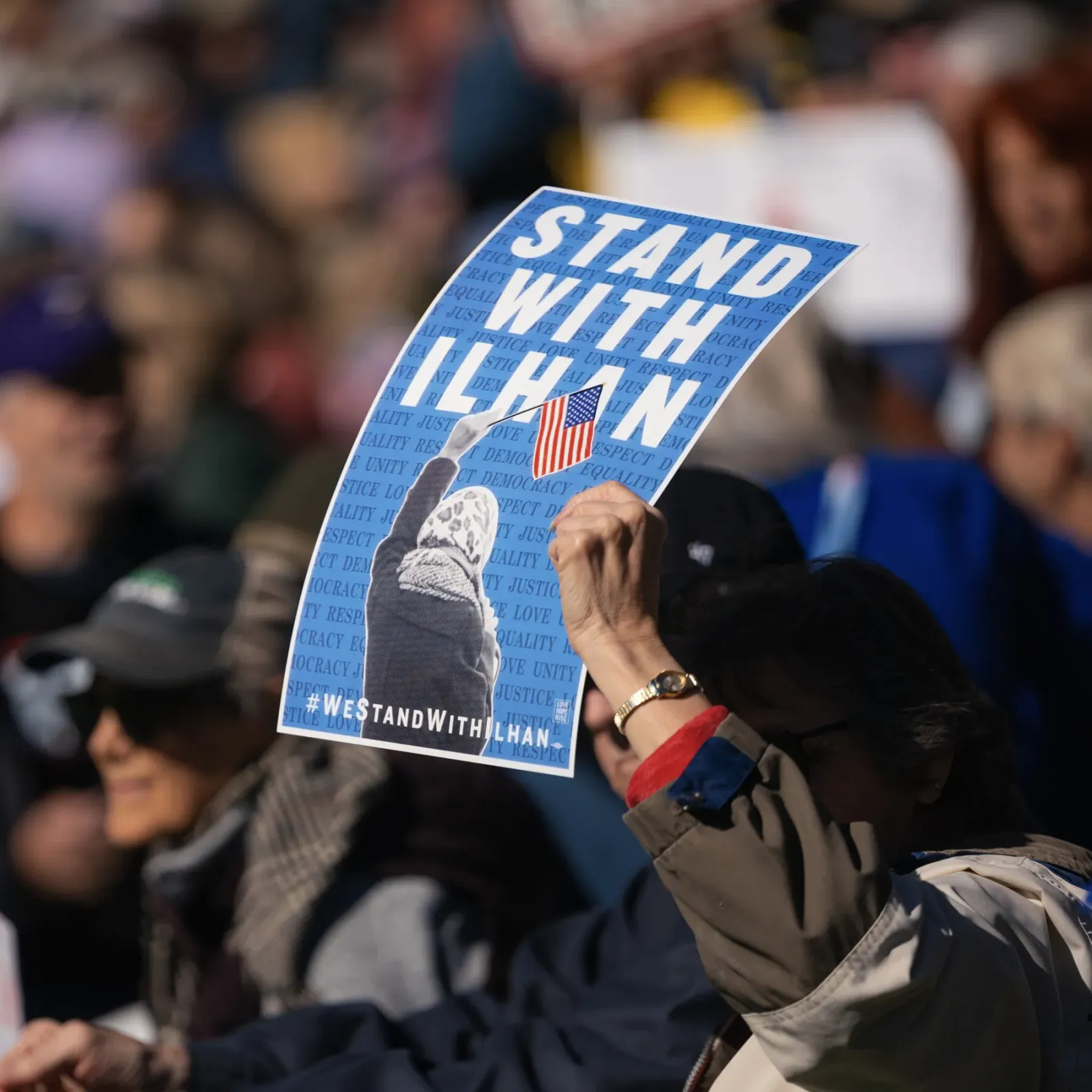
Obama Defends Ilhan Omar After Agents Search Her Home in Trump Inquiry
The former president's intervention raises the stakes in a federal probe into immigration paperwork that has put a prominent progressive lawmaker in the crosshairs.

Blair-era minister: cut welfare to fund youth job support
Alan Milburn's call for welfare cuts to fund employment support opens a Labour fight over benefits and the Neet crisis.
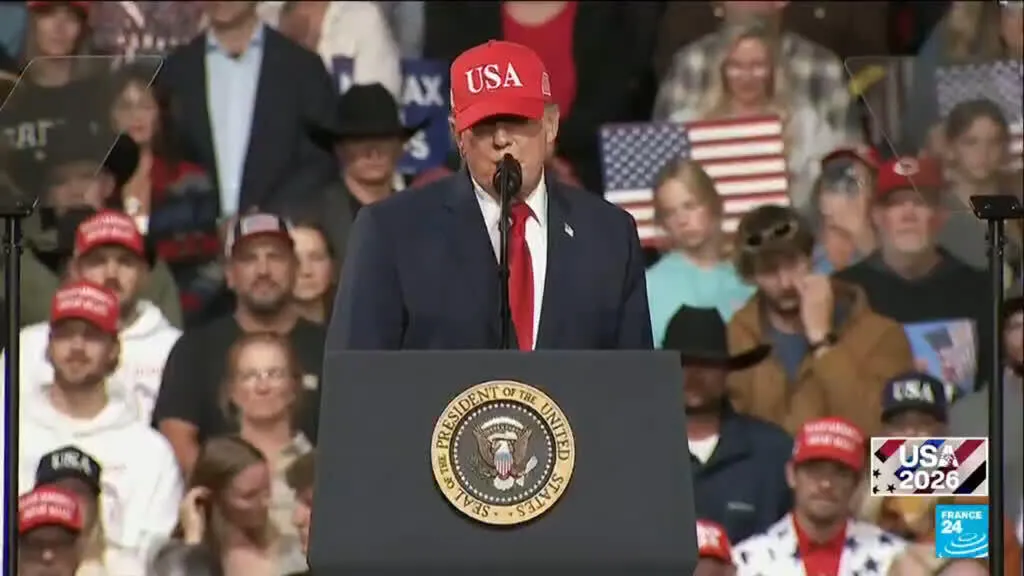
Hot September CPI: energy costs surge, voters feel the squeeze before midterms
The latest inflation print lands as Trump campaigns for GOP control of Congress, putting cost-of-living worries at the center of the midterm fight.