
Russia's plague lab death: officials stand down, but the alarm remains unexplained
The Kremlin is winding down emergency measures after a lab worker died at a plague research institute, but what triggered the alert is still unknown, and that's the real story.
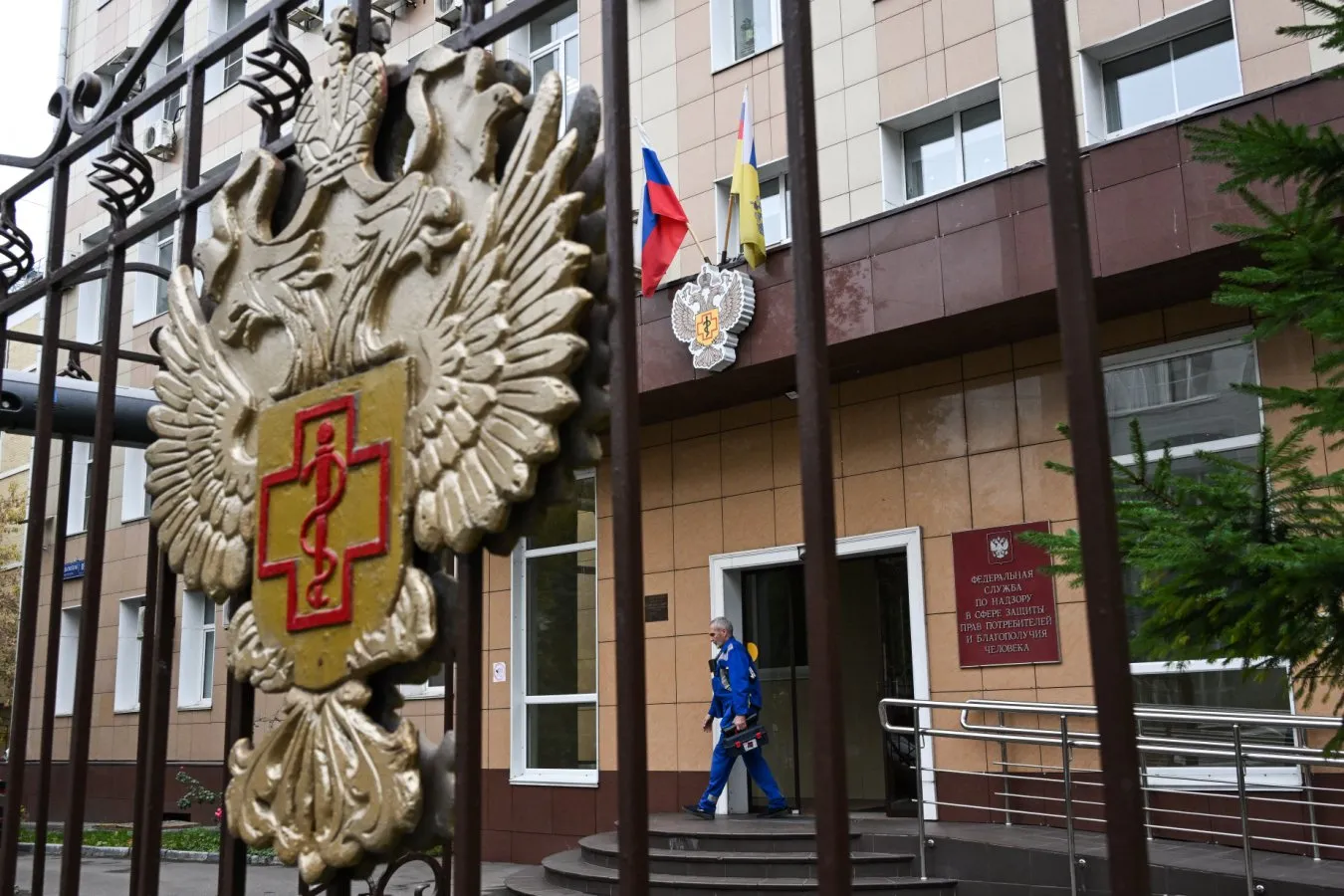
Russia is winding down precautionary measures after a lab worker died at a plague research institute, leaving the trigger for the alert unexplained. For public health officials and biosecurity watchers, the episode highlights the opacity of state-run biosafety decisions and the need for clearer communication.
Russia says it is winding down precautionary measures taken after a lab worker at a plague research institute died. The announcement closes a chapter that began with an unexplained alarm, and the trigger for that alarm remains the big unanswered question.
The death itself is confirmed: a lab worker at a plague research institute died, and officials responded with precautionary measures. Now those measures are being rolled back, but no official explanation has been given for why they were needed in the first place. That silence is the story.
The original headline put 'plague' in quotes, and that punctuation is telling. It signals that the cause of death is not confirmed, and that the connection to plague is circumstantial. The worker died at a plague research institute, but that does not mean the death was caused by the plague bacterium. It could have been an accident, a heart attack, or something else entirely. The precautionary measures, however, suggest that officials could not rule out an infectious cause.
For context, plague research is a niche but serious field. The bacterium Yersinia pestis causes bubonic, septicemic, and pneumonic plague, and it is classified as a Category A bioterrorism agent by the U.S. Centers for Disease Control and Prevention. Labs that work with it operate under strict biosafety protocols, typically at Biosafety Level 3 or 4, depending on the strain and the work being done. A death in such a facility is rare, and when it happens, the standard response is to investigate, isolate contacts, and review procedures. The fact that Russia felt the need to take precautionary measures at all suggests the initial assessment was that something could have gone wrong - either an exposure, a breach of protocol, or a potential contamination event.
Plague is an ancient disease that still circulates in animal populations on several continents. Human cases are rare but not extinct, and the World Health Organization tracks it as a re-emerging infectious disease. The cause of the lab worker's death has not been publicly confirmed, but the location and the response suggest plague was at least a suspected factor. That is why the precautionary measures were likely triggered: to rule out an ongoing risk to the community and to the staff.
Precautionary measures in such cases typically include quarantine of contacts, enhanced surveillance, and sometimes prophylactic antibiotics. The fact that Russia is winding these down suggests the window of risk has passed, but the lack of detail on what was done and why is unusual. In most Western countries, a lab accident involving a Category A pathogen would trigger a public report, even if the details are redacted. Russia's silence is a departure from that norm.
Russia's decision to stand down suggests the investigation found no ongoing risk. But the absence of a public explanation leaves a gap. In state-run research institutes, especially those tied to defense or bioweapons history, transparency is often limited. The Soviet Union had a massive biological weapons program, and Russia inherited some of that infrastructure. That history makes any incident at a plague institute inherently sensitive. It also means that the world is watching for signs of a cover-up, even when none exists.
The practical implications for executives and public health leaders are twofold. First, biosafety incidents can have reputational and operational ripple effects even when contained. A single death in a high-containment lab can trigger regulatory reviews, international scrutiny, and a loss of public trust. Second, the lack of clear communication from authorities can fuel speculation, which is itself a risk. In an era of rapid information flow, silence is not neutral. It becomes a vacuum that gets filled with rumors, conspiracy theories, and geopolitical narratives.
For peers in similar roles - whether running a research institute, a biotech lab, or a public health agency - the lesson is to prepare for the question 'why' before it is asked. A clear, early statement about what triggered a precautionary measure, even if incomplete, is better than a vacuum. The Russian case shows that the absence of an answer can become the story. It is a reminder that crisis communication is not just about managing the facts; it is about managing the questions.
The bigger strategic stake is about trust in biosafety systems. Every time an incident is handled opaquely, it erodes confidence in the institutions that are supposed to protect us. That matters not just for Russia, but for every country with high-containment labs. The next incident could be anywhere, and the world will be watching how it is explained. For decision-makers, the takeaway is clear: transparency is not a nice-to-have; it is a core part of biosafety governance.
This story's Key Insights and Take-aways are locked.
Create a free account to unlock Executive Actions for one credit.
Register to UnlockAlways free for Executives Club members. Join the Club
More in Science
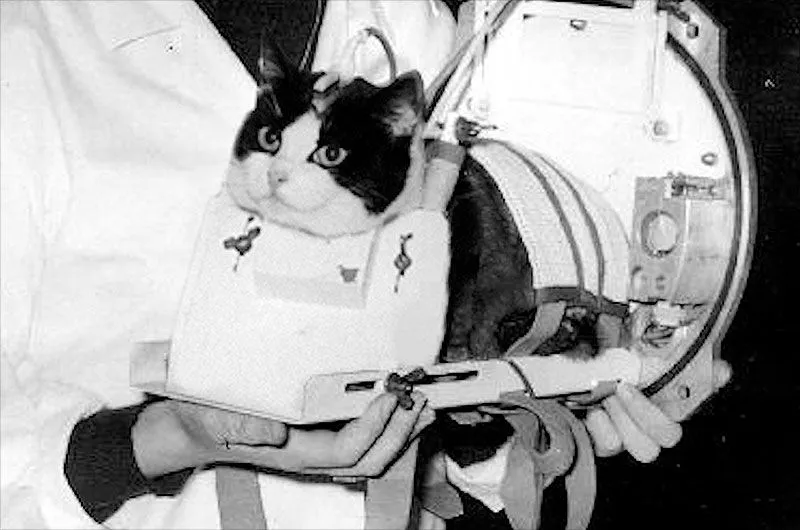
France euthanized Félicette, the first cat in space, two months after her flight
Félicette's 1963 flight made France a space-race player, but her euthanasia and a crowdfunded statue reveal how high-risk programs are remembered.

Ultracold atoms just created a 'fractional Fermi sea' that breaks quantum rules
A new quantum state challenges decades of theory and hints at 'super-Fermions,' with real stakes for quantum computing and materials science.
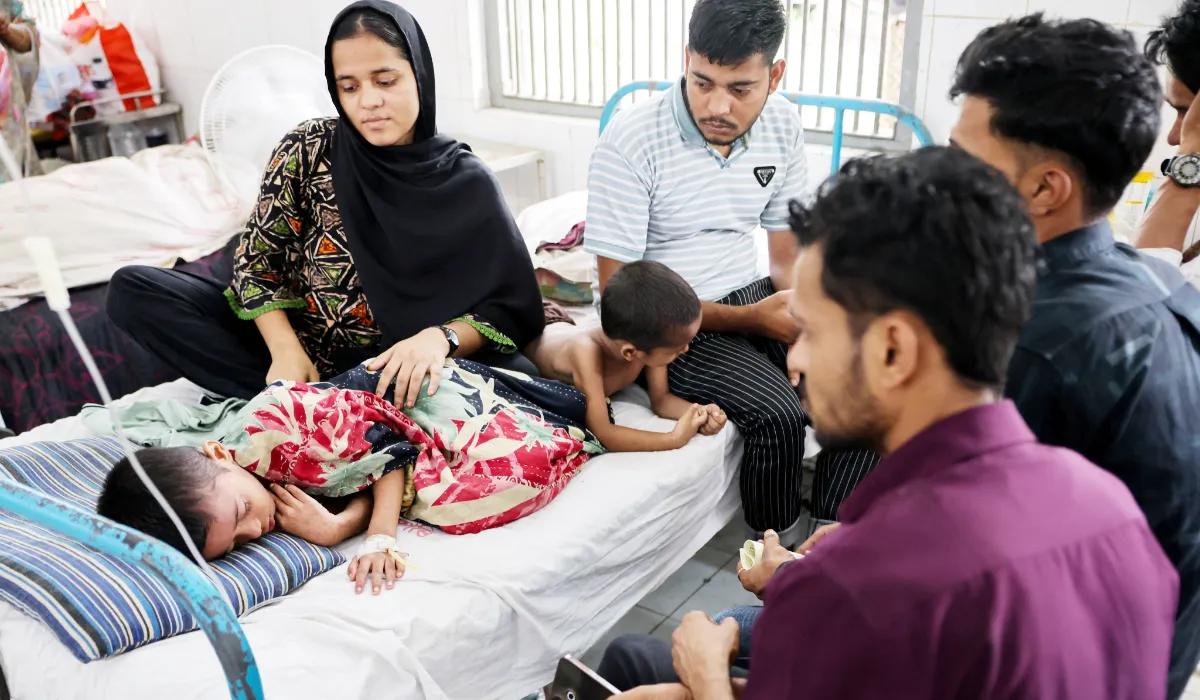
Bangladesh's 202,000 measles cases are a 'real warning' to other nations
The world's worst measles outbreak is spreading as routine vaccination falters. Here is why every country's immunization program should pay attention.