
Rutgers researchers flag rare sudden vision loss risk in Ozempic, Wegovy
A new Rutgers analysis finds a small but real link between GLP-1 blockbusters and a rare condition that can cause sudden, potentially permanent vision loss - here's what the low absolute risk means for millions of patients.
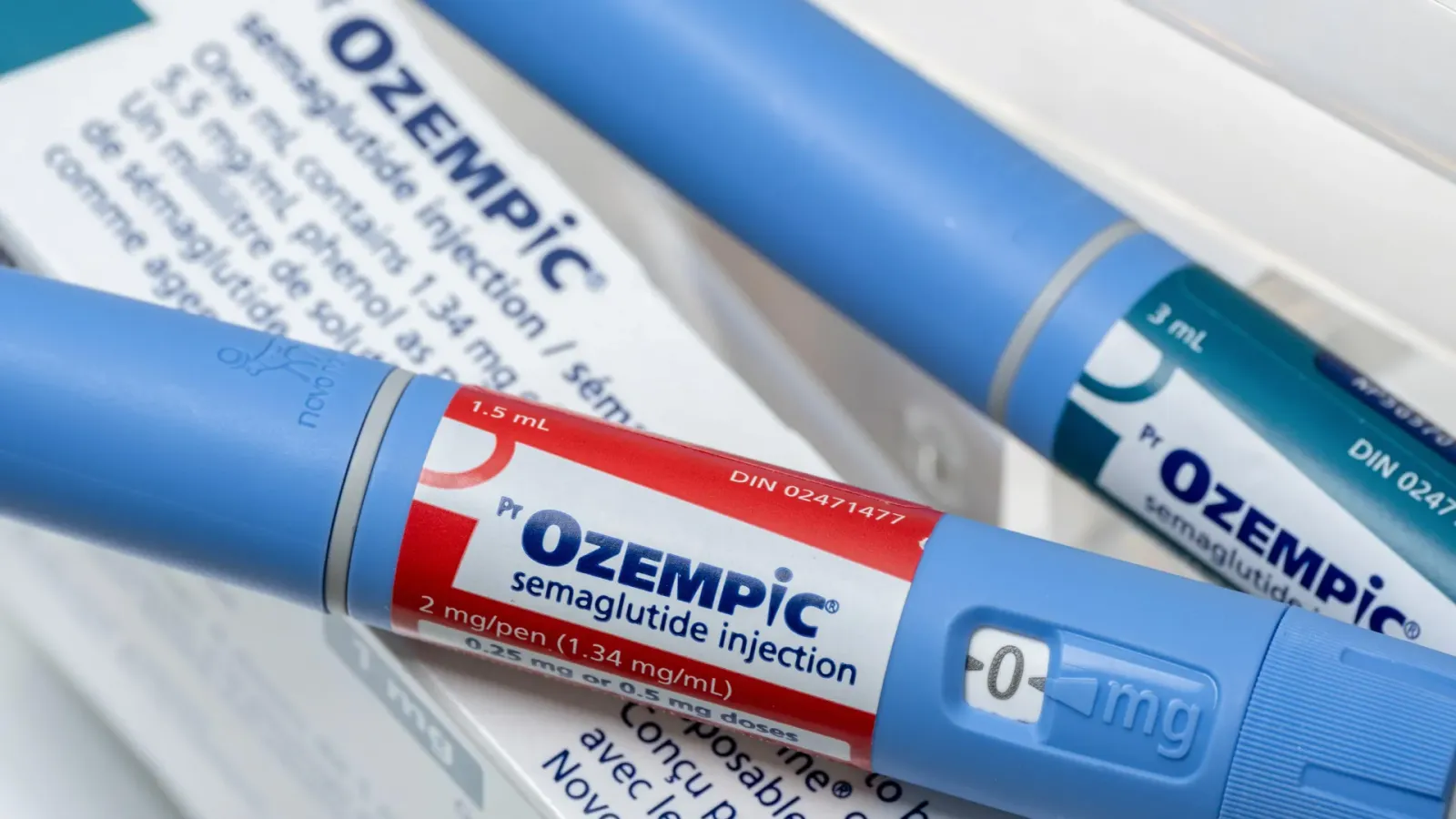
Rutgers researchers found a slightly increased risk of a rare condition causing sudden, potentially permanent vision loss in people taking GLP-1 drugs like Ozempic and Wegovy. For executives and decision-makers, the finding adds a patient-safety dimension to a blockbuster category that millions rely on, warranting attention despite the very low absolute risk.
Rutgers researchers have linked blockbuster drugs Ozempic and Wegovy to a slightly increased risk of a rare condition that can cause sudden, potentially permanent vision loss. The finding, reported by ScienceDaily, is not a reason to panic: the absolute risk remains very low, and the researchers say it warrants attention, not alarm. That distinction matters because the drugs are not niche therapies - they are taken by millions of people, and a rare risk multiplied across a massive patient population becomes a different kind of public health question.
The headline number, for now, is the size of the exposed population. Ozempic and Wegovy are among the most prominent drugs in the GLP-1 class, originally developed for type 2 diabetes and now widely prescribed for weight loss. Millions of patients turn to these medications, and the Rutgers researchers say the findings deserve attention precisely because the drugs have become so central to modern metabolic care. Even a very small increase in a serious, life-changing outcome like vision loss can reshape how patients, prescribers, and payers think about long-term use.
GLP-1 receptor agonists work by mimicking a gut hormone that regulates appetite and blood sugar, and the class has become one of the most commercially significant in pharmaceutical history. Demand for Ozempic and Wegovy has surged as weight loss became a mainstream medical goal, and supply constraints have at times struggled to keep up. That explosive uptake is what gives this new safety signal its weight: a rare event that might have been a footnote in a small clinical trial becomes a meaningful consideration when millions of people are taking the drug for years at a time.
The Rutgers finding is described as a link, not a proven causal chain, and the researchers emphasize that the risk is very low. For context, this is the typical pattern for rare adverse events in large patient populations: a statistical association emerges, regulators and academics scrutinize it, and follow-up research determines whether the signal is real and who might be most vulnerable. The researchers did not report that patients should stop taking their medication, and the message from the study is about awareness, not alarm.
For health systems and prescribers, the practical question is how to weigh a very small but serious risk against the well-established metabolic benefits of these drugs. Ozempic and Wegovy have transformed diabetes management and obesity care, and for many patients the cardiovascular and metabolic benefits clearly outweigh a low-probability vision risk. But for patients who have additional risk factors for vision problems, the conversation may now include a new data point, even if the base rate is tiny. The Rutgers researchers frame it as a finding that warrants attention, which is how rare safety signals typically enter clinical practice.
For executives in pharma, health systems, and employer-sponsored insurance, the strategic stakes are straightforward. A safety signal in a blockbuster category can ripple through investor sentiment, regulatory conversations, and patient trust, even when the absolute risk remains very low. The companies behind these drugs, and the employers and insurers covering them, now have another variable to monitor in an already complex risk-benefit calculation. Rare adverse events do not usually stop a drug class, but they can change labeling, inform consent discussions, and shift public perception over time.
The broader lesson is that blockbuster drugs live or die on the quality of their safety data. When millions of people take a medication, even a rare risk becomes a population-scale issue, and how that risk is communicated matters as much as the underlying statistics. Patients are making long-term decisions about these drugs, and they deserve clear, honest context about what is known and what remains uncertain. The Rutgers finding is a reminder that attention is not the same as panic, and that a very low risk can still be a real risk.
For now, the researchers' message is simple: the risk is real, the absolute risk is very low, and the finding warrants attention. For the millions of people taking Ozempic and Wegovy, and for the executives building products and policies around them, the right response is not to abandon a proven class of drugs but to watch the data, update risk communications, and keep the conversation grounded in what the evidence actually shows. That is how a rare safety signal should be handled - with seriousness, perspective, and a clear-eyed view of the trade-offs.
This story's Key Insights and Take-aways are locked.
Create a free account to unlock Executive Actions for one credit.
Register to UnlockAlways free for Executives Club members. Join the Club
More in Science
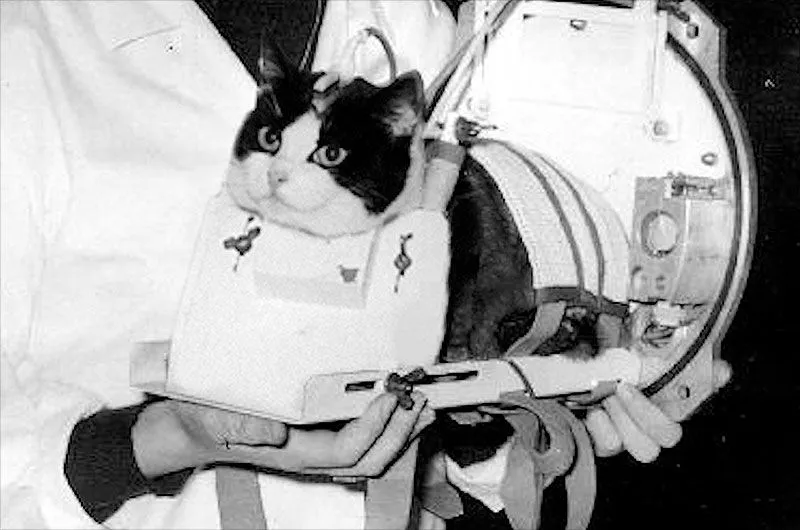
France euthanized Félicette, the first cat in space, two months after her flight
Félicette's 1963 flight made France a space-race player, but her euthanasia and a crowdfunded statue reveal how high-risk programs are remembered.

Ultracold atoms just created a 'fractional Fermi sea' that breaks quantum rules
A new quantum state challenges decades of theory and hints at 'super-Fermions,' with real stakes for quantum computing and materials science.
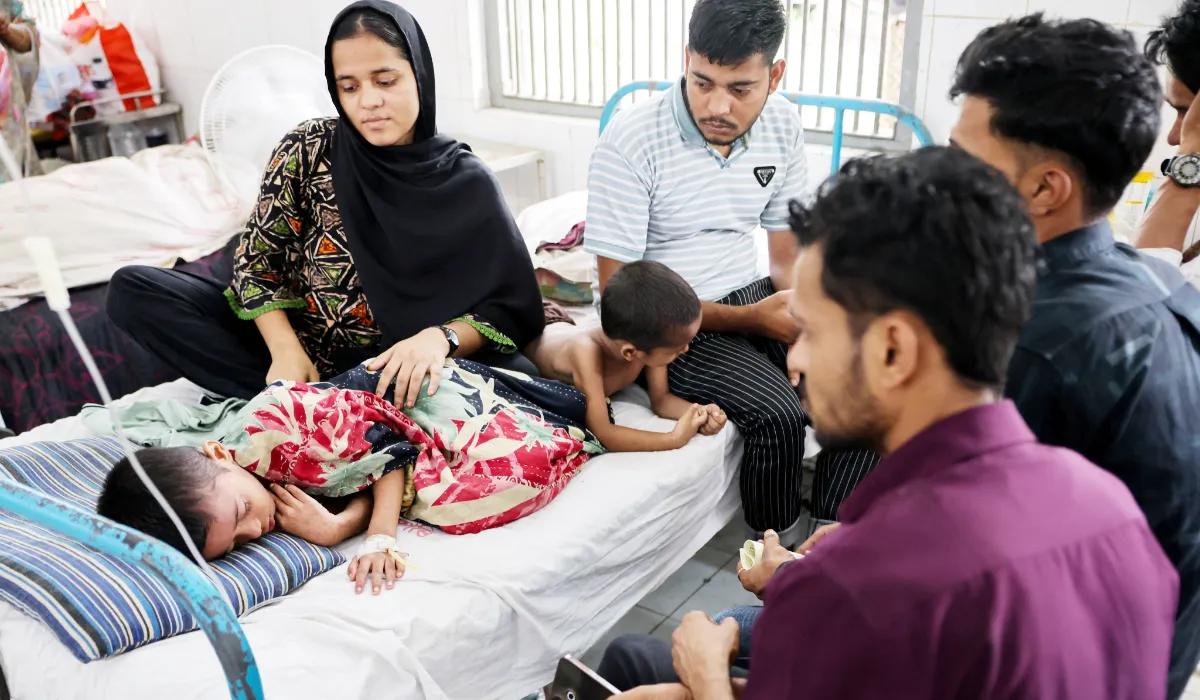
Bangladesh's 202,000 measles cases are a 'real warning' to other nations
The world's worst measles outbreak is spreading as routine vaccination falters. Here is why every country's immunization program should pay attention.