
Sam Slater turned Saros into a drone-metal pressure cooker
The two-time Grammy winner leaned into Sunn O))), Khanate and custom-recorded textures to make Housemarque’s PS5 shooter feel as hostile as its world.
Two-time Grammy winner Sam Slater built the soundtrack for Housemarque’s Saros around drone metal, handmade instruments, and world-specific sound design. The result is a case study in how creative teams can use music as product architecture, not just decoration, especially when AI and efficiency pressures push in the opposite direction.
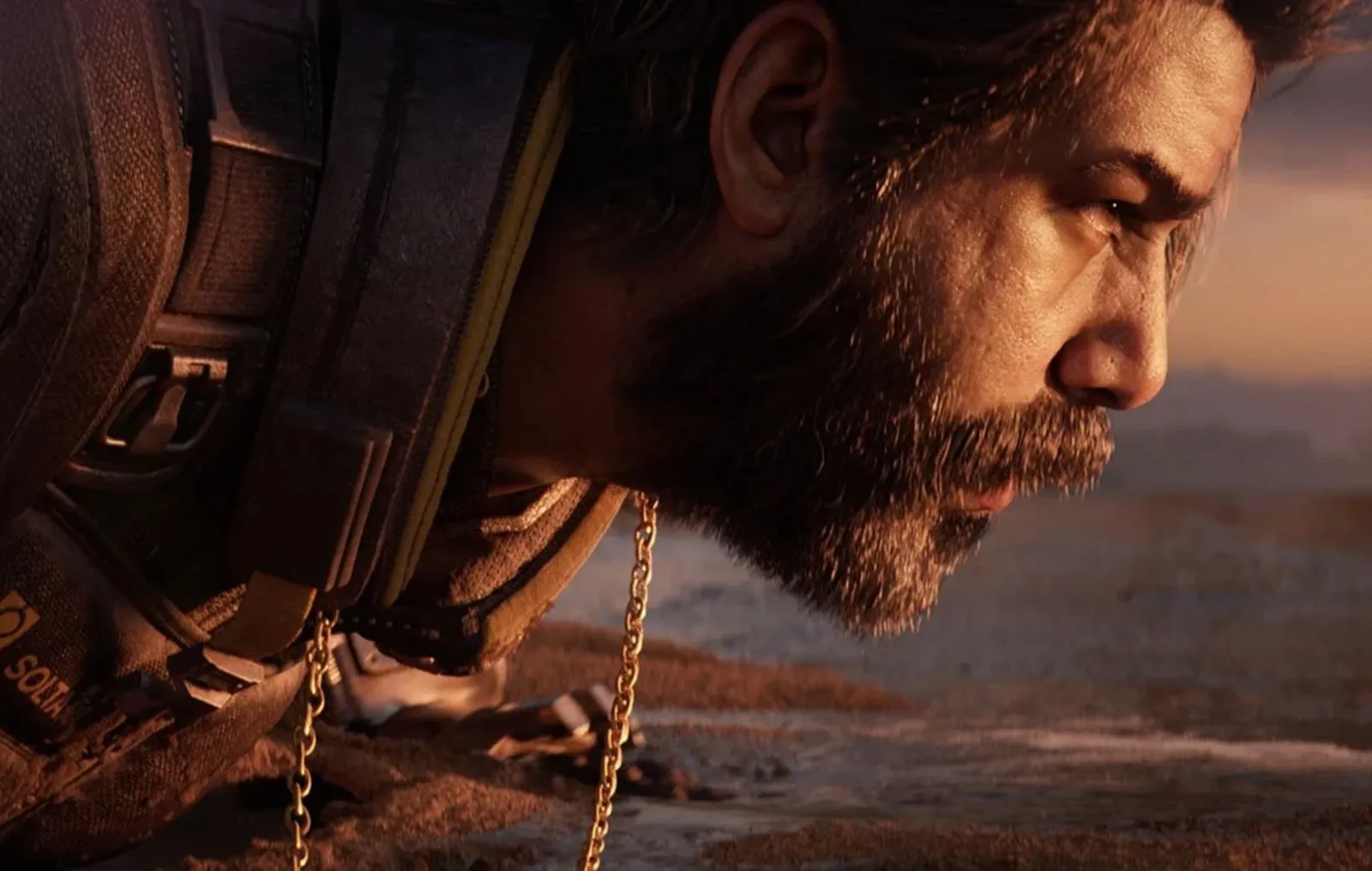
In Saros, the soundtrack is not background noise. It is part of the threat model. Two-time Grammy winning composer Sam Slater, known for Chernobyl and Joker, helped shape Housemarque’s upcoming PlayStation 5 game into what is basically a stress test with enemies. The player, Arjun, is dropped onto the haunted planet of Carcosa by the profit-hungry Soltari corporation to investigate why three previous expeditions went silent. The world is hostile, the locals are more vicious during solar eclipses, and the only real motivation is trying to get back to Nitya Chandran, Arjun’s wife and a scientist from the first expedition. Slater’s job was to make all of that feel as intense as it sounds, and he did it by reaching for drone metal, not a safer cinematic score.
That choice matters because the game’s whole rhythm depends on pressure. Saros is built around waves of enemies, pattern memorization, and the constant sense that the planet itself wants you gone. Slater said, “It’s all about finding a sense of flow,” which is exactly the same challenge facing any creator trying to make tension readable rather than just loud. His early pass at the music got a polite shrug from the Housemarque team, so he escalated. He literally wrote “go too hard” on a huge piece of paper and hung it in his studio. The next track brought the response he wanted from creative director Gregory Louden: “Holy moly!” That reaction is the story here. The score did not just support the game. It helped define how hard the game could hit.
Slater first got involved after being invited to Sony to look at work-in-progress projects. Once he saw the early concept art for Saros, he knew he wanted in. In a meeting with Housemarque, he and Louden bonded over their shared love of “terrifying metal.” The target was specific: combine dark electronic music, which has been a staple in video game scoring since Doom in 1993, with ferocious drone metal, a slow-burning experimental genre built less around hooks than around crushing weight and duration. If that sounds uncommercial, that is kind of the point. Drone metal from bands like Sunn O))), Earth, Boris and Khanate is not trying to charm you. It is trying to press down on you. For a game where survival means studying enemy attack patterns and dodging bright, violent projectiles, that feeling fits.
Slater also understood that authenticity would matter to the people making the game. He says game developers are “all filthy metalheads” and added, “You can’t fake heavy to them.” So he reached out to metal producers Randall Dunn and Ben Greenberg, who have worked with Myrkur, Sunn O))), Anna Von Hausswolff and Metz, and who also run New York’s Circular Ruin Studios together. They helped record a lot of the guitar on the soundtrack, which gives the score its menacing groan. In other words, this was not a composer simulating heaviness from a distance. It was a full-stack sonic build, with specialist collaborators brought in to make the result feel lived-in rather than pasted on.
Then Slater went even more granular. He avoided listening to the score for Housemarque’s previous game Returnal, calling Saros “not Returnal 2” and stressing that everyone wanted the new world to stand on its own. He said, “I’m a huge fan of [Returnal composer] Bobby Krilc’s work but I have one rule when I’m working on projects like this - don’t listen to other soundtracks.” Instead, he focused on the landscape of Carcosa and commissioned a jeweller to make an exact bronze replica of Arjun’s chunky medallion, which he used whenever percussion was involved. The logic was simple: the hero is chasing that object, so the music should literally remember it. That same design thinking runs throughout the score. The Blighted Marsh level uses wooden instruments because of the dead wood the player pushes through. The Cathedral features tuned ceramic instruments because that is what the walls would have been made from. Shattered’s Descent is built around two small rocks being hit together. Slater’s point was blunt: every sound had to be tactile and relevant to the world being built.
The result is a soundtrack that mixes organic and synthetic sounds until they seem to fight each other. That tension mirrors the game itself, which throws vicious enemies, corrupted former colleagues, and a world of corruption at the player while still asking them to move forward. But Slater was also careful not to make something so punishing that it would repel people before they got into the game. He called that the “glorious contradiction” of the project: how do you make a world that is hostile and kicking you away at every turn, but still make the player want to run through it? His answer was sweetness. Tracks like “Sun Is Forever,” Nitya’s theme, and “Love Ruins” use a close-cut vocal ensemble. By contrast, other human voices on the soundtrack are digitally twisted beyond recognition to reflect corruption after too much time under Carcosa’s yellow sun. He even flew to a church in Helsinki built into a mountainside, played the original vocal recordings over giant speakers, and captured the results.
There is a wider business story in all this, and it is not just for gamers. Slater said, “art is not about efficiency, it's about the story and the world building,” and added that with AI use becoming more common in the industry, people need to “fight really hard” to preserve those ideals. Housemarque reportedly was fully on board. That is the real takeaway for studios, publishers, and any creative business under pressure to automate more and spend less. The cheapest version is almost always available. The better version usually takes longer, costs more, and requires collaborators who know the difference between sounding heavy and being heavy. Saros is an argument for choosing the harder path when the product depends on immersion. In a market flooded with content, that kind of specificity is not a luxury. It is the moat.
This story's Key Insights and Take-aways are locked.
Create a free account to unlock Executive Actions for one credit.
Register to UnlockAlways free for Executives Club members. Join the Club
More in Entertainment

Christopher Nolan’s “The Odyssey” posts his biggest Tuesday haul, surpassing “The Dark Knight’s” record
The film’s Tuesday breakout reframes Nolan’s box-office ceiling and forces competitors to rethink timing, budgets, and release strategy.

Kacey Musgraves cancels Aug. 20, 29, Sept. 2 Middle of Nowhere shows
Ticketmaster emails are telling fans refunds are coming, while the tour still starts Aug. 21 in Chicago.

Billie Joe Armstrong launches Epiphone Les Paul Junior and Marshall 1959BJA signature gear
Two limited releases turn decades of Green Day’s tone into branded hardware, including Marshall’s first artist amp in 14 years.