
Samsung swaps chip and phone chiefs as China shipments reportedly stall
Samsung's new memory and smartphone bosses inherit a leadership reset and a reported China shipment pause tied to US export rules.
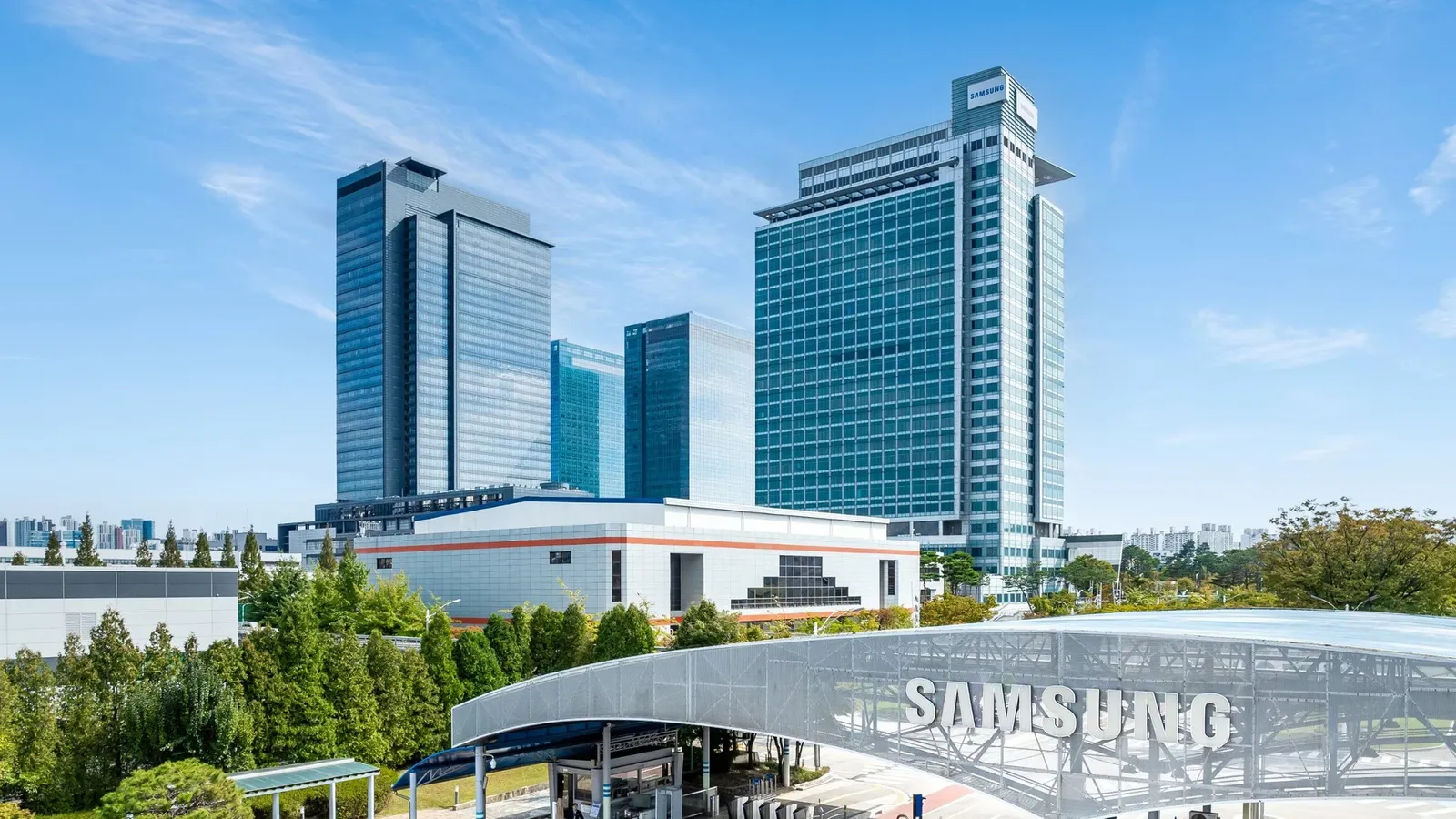
Samsung Electronics named Sang Joon Hwang to run its memory business and Won-Joon Choi to lead its smartphone business, announced Friday in Korea. The reshuffle arrived as Samsung reportedly paused some chip shipments to China under new US export rules, a combination that puts compliance and supply-chain strategy at the center of both leaders' agendas.
Samsung Electronics has handed its memory chip and smartphone businesses to new bosses. Sang Joon Hwang will run the memory business, and Won-Joon Choi takes over the smartphone business. The company announced the changes on Friday in Korea. The same week, Samsung reportedly paused some chip shipments to China under new US export rules. That timing is the real story. A leadership reset inside one of the world's most important memory and handset makers is landing at the exact moment geopolitics is rewriting the route to market for semiconductors.
For Hwang, the mandate starts with memory. Memory chips, the DRAM and NAND that power data centers, laptops, and phones, are Samsung's traditional profit engine and one of the most cyclical businesses in tech. Prices swing hard, capital spending is enormous, and customer demand can turn in a quarter. Now add export controls. If Samsung is indeed holding back some shipments to China, Hwang inherits a business where compliance officers can veto revenue decisions. For Choi, the smartphone business is a different test. It is a mature, brutally competitive market where Samsung fights for premium buyers and defends share against aggressive rivals. Choi's job is to keep the franchise relevant while the component supply chain underneath it gets politically complicated.
The reported shipment pause matters because China is not a side market for chipmakers. It is one of the largest sources of demand for semiconductors and the devices they go into. When a company like Samsung pauses some shipments, customers on the other side do not simply wait. They look for alternatives, rework inventories, and accelerate efforts to diversify suppliers. That can shift market share in ways that outlast the original policy trigger. For Samsung, the risk cuts both ways. A cautious pause may protect the company from running afoul of US rules. It may also hand openings to competitors who are willing, or able, to serve Chinese customers within the rules.
The US export rules referenced in the report are part of a broader push to limit China's access to advanced computing technology. For executives, the operational reality is messy. Export controls are not a single switch. They involve license requirements, customer screening, end-use checks, and shifting definitions of what technology is controlled. Companies must decide which orders they can fill, which they must hold, and how to explain those decisions to investors and customers. A reported pause in some chip shipments is exactly the kind of decision that looks small in a press release but looms large in a supply chain. It can delay revenue recognition, strain customer relationships, and force sales teams to renegotiate contracts.
Samsung's decision to name new bosses in the same week adds another layer. Leadership changes at conglomerates are often read as signals about priorities. Putting Hwang in charge of memory suggests the company wants steady hands on its most capital-intensive and politically exposed business. Putting Choi in charge of smartphones suggests the company wants focus on a consumer franchise that must compete on design, brand, and software as much as hardware. Neither job is isolated. Memory feeds smartphones. Smartphones create demand for memory. Export controls can disrupt both. The new leaders will have to coordinate in ways that previous org charts may not have required.
For boards and executives outside Samsung, the episode is a case study in how quickly policy risk becomes operating risk. A company can have a strong product roadmap, a healthy balance sheet, and a clear strategy, and still face a week where shipments pause and leadership changes. The lesson is not that every company needs a China strategy. It is that every company with exposure to global technology supply chains needs a compliance strategy that can move as fast as the rules. That means scenario planning, customer mapping, and clear decision rights when legal and commercial teams disagree. It also means communicating with investors before a reported pause becomes a narrative the company does not control.
The strategic stakes for peers are straightforward. Chipmakers, device makers, and their suppliers all face the same question: how do you grow in a market that is being deliberately fragmented by export controls? Samsung's answer, at least this week, is to change leadership and reportedly slow some shipments. Rivals will watch whether that caution becomes a competitive disadvantage or a compliance advantage. Customers will watch whether they can rely on Samsung as a supplier. Investors will watch whether memory pricing and smartphone margins absorb the shock. Hwang and Choi now own those answers. Their first 100 days will be less about org charts and more about navigating a trade war that has arrived at their door.
This story's Key Insights and Take-aways are locked.
Create a free account to unlock Executive Actions for one credit.
Register to UnlockAlways free for Executives Club members. Join the Club
More in Technology

Anthropic Mathematician Claims Claude Helped Prove Riemann Hypothesis in Six Weeks
Levent Alpöge says the AI tool helped him develop a solution to one of math's most important unsolved problems in about six weeks, a claim that, if verified, would reshape AI's role in research.

Anthropic mathematician claims Claude helped crack the Riemann hypothesis
If the proof holds, AI has toppled math's most famous open problem; if it does not, it is a case study in announcing breakthroughs before anyone verifies them.

AI's $4 Trillion Wipeout Erases Nasdaq's Gains for the Year
A brutal week took roughly $4 trillion off the AI sector and left the Nasdaq flat for the year, and the damage ran the full length of the supply chain.