

Saudi CMA opens 123-day window for a single commodity exchange license starting July 1, 2026
Only one license will be granted during this phase, targeting secondary commodity and metals derivatives trading.
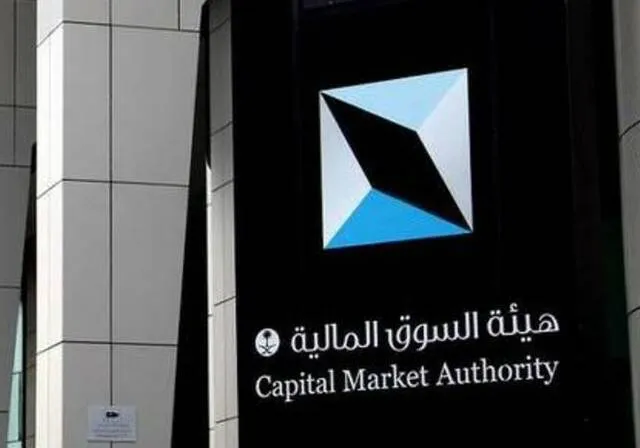
Saudi Arabia's Capital Market Authority (CMA) has opened the application period to authorize the establishment and operation of the Kingdom's first commodity exchange activities. The window runs for 123 days from 1 July 2026 to 31 October 2026, with the CMA planning to grant a single license to a qualified operator.
Riyadh is officially moving toward its first dedicated commodity exchange: Saudi Arabia's Capital Market Authority (CMA) has opened an application window for authorization to establish and operate commodity exchange activities in the Kingdom. The process runs for 123 days, starting 1 July 2026 and concluding 31 October 2026, and the CMA’s plan is clear. During this phase, it intends to grant only one license to a qualified operator.
For decision-makers, the stakes are immediate and very practical. The authorized activity during this period will primarily focus on developing a secondary market for commodity and metals derivatives contracts, meaning the next major buildout in Saudi market infrastructure will be shaped by whoever wins this licensing round. The CMA is not framing this as a “many players, figure it out later” experiment. It is setting a contained process, inviting applications from interested parties and consortia that meet requirements already laid out in prior regulations.
This “single license” approach matters because it changes how applicants strategize, how boards evaluate consortia risk, and how market participants think about liquidity and counterparty readiness. In a system where only one operator gets licensed in this phase, the winner effectively becomes the infrastructure gatekeeper for the early, regulated market for commodity and metals derivatives. That can concentrate execution capacity, but it also raises the bar for whoever is selected, since the early market design will likely influence years of adoption, trading behavior, and hedging workflows.
The CMA positions the licensing process as part of a broader effort to bolster the Kingdom’s capital market infrastructure and expand the variety of financial instruments available to both local and international investors. Commodity exchanges are often discussed as market deepeners, but the real-world mechanism is simpler: they create a venue where standardized contracts can be traded and repriced. That can provide hedging and trading tools for market participants, which in turn can make Saudi Arabia more attractive as an investment destination. The authority’s logic is that a regulated secondary market for commodity and metals derivatives can strengthen Saudi Arabia’s competitive standing in global capital markets.
There is also a clear regulatory lineage behind the move. The CMA points to the revised Capital Market Law issued on 18 September 2019 as the foundation for this initiative. It then builds on the Securities Exchanges and Depository Centers Regulations approved and published by the CMA on 18 July 2022. Those regulations, according to the CMA, previously indicated that the authority would define specific windows and mechanisms for submitting authorization applications for exchanges and depository centers at a later date. This 123-day window is that later date in action.
Practically, the CMA is making applicants follow a structured path. It has invited interested parties and consortia to submit their applications for authorization, provided they meet the stringent requirements set forth in the Securities Exchanges and Depository Centers Regulations. Applicants are required to use designated application forms and adhere to the procedures outlined in an official document titled Authorization to Carry Out Commodity Exchange Activities in the Kingdom. That document, per the CMA, provides comprehensive details about the submission mechanism, technical requirements, and procedural steps necessary for a successful bid.
To reduce friction and keep the process transparent, the CMA’s Market Infrastructure Institutions Supervision Department has been designated to handle inquiries from potential applicants. The authority has also made the necessary documentation and application links available through its official digital channels. The implication for boards is that this is not a “pitch deck” moment. It is an operational and technical authorization process, and the CMA is signaling that it expects detailed readiness aligned with the existing regulatory framework.
For executives watching Saudi market infrastructure, the key second-order reality is timing. The application window opens on 1 July 2026, closes on 31 October 2026, and during this phase the CMA intends to focus on one license and one core activity: a secondary market for commodity and metals derivatives contracts. Whoever is selected will help define how this segment launches, which products take root first, and how quickly hedging and trading tools become available. In other words, this is less about announcing a concept and more about awarding the permissions that shape the early market. Similar boards and investors should treat this as a concrete milestone in the Kingdom’s financial sector modernization, because regulated market access does not arrive in a vacuum. It determines who can trade, how risk is managed, and how capital finds a new set of instruments.
This story's Key Insights and Take-aways are locked.
Create a free account to unlock Executive Actions for one credit.
Register to UnlockAlways free for Executives Club members. Join the Club
More in Business
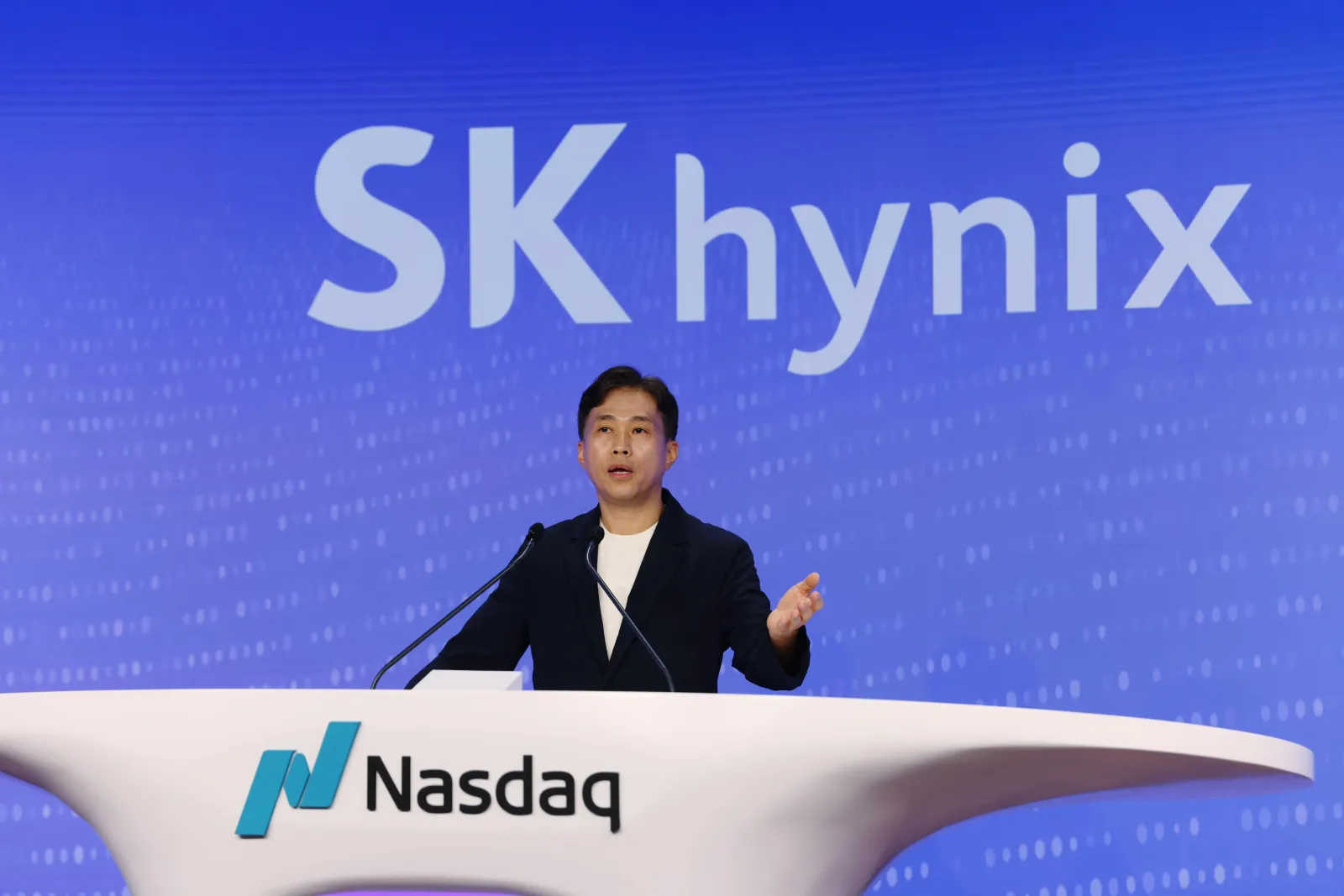
SK Hynix opens at $170, raises $26.5B, and tops foreign IPO records
In Friday's Wall Street debut, SK Hynix turns AI RAM demand into a $26.5B fundraising moment that rewrites comps.

China lands a reusable Long March booster, a first that matches SpaceX and Blue Origin
A barge landing and net-based recovery move China from theory to proof, reshaping the reusability race and satellite ambitions.

AstraZeneca $27B wipeout as Wainua late trial misses cardiovascular target
A failed late-stage heart study triggered a swift market punishment, forcing investors and boards to reset timelines and risk.