

Scientists pour cold water on moon cities: even best case lasts 100 years
New feasibility math says a million-person lunar settlement exhausts even the most generous water supply within a century, and realistic estimates are 30 times worse.
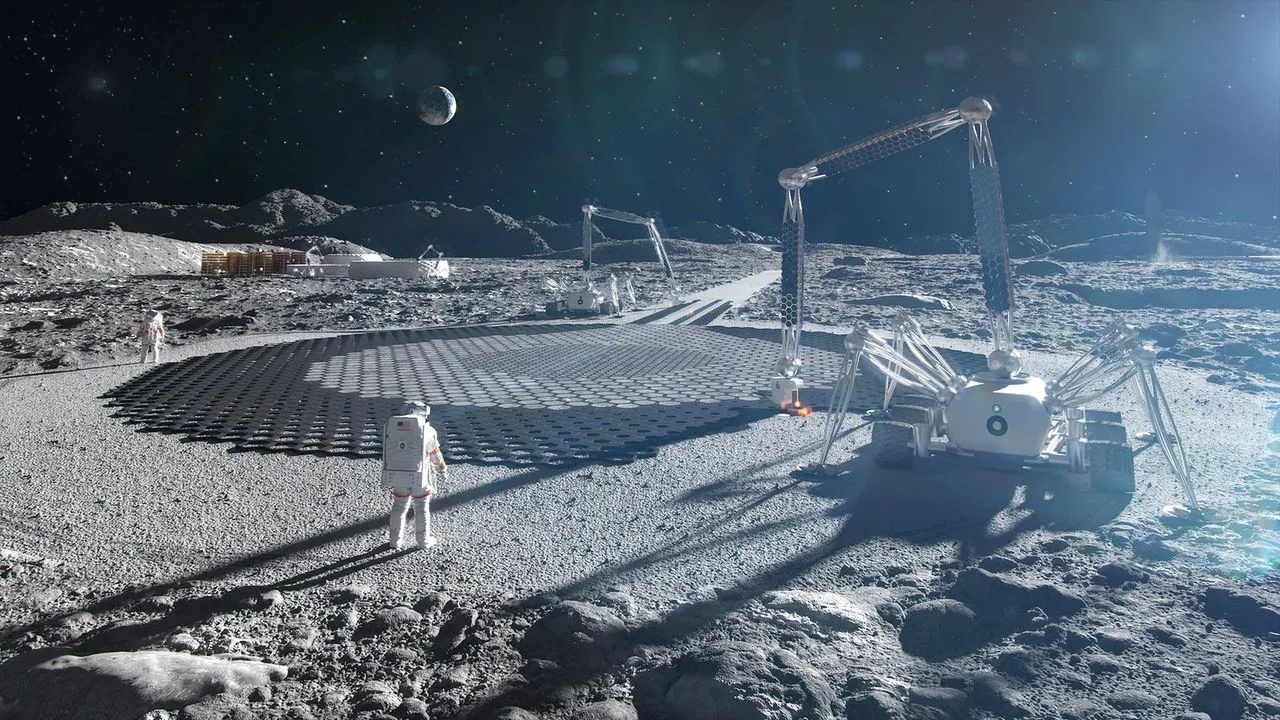
Astrophysicists Martin Elvis and Jonathan McDowell published a feasibility model in Frontiers in Space Technologies, concluding that a million-person moon city would run out of water in about 100 years even with the most generous estimates. For space entrepreneurs like Jeff Bezos and Elon Musk, the math means lunar heavy industry and self-growing cities need dramatically better recycling or new water sources before breaking ground.
Moon city dreams just hit a wall of arithmetic. In a new paper in Frontiers in Space Technologies, astrophysicists Martin Elvis and Jonathan McDowell calculate that even with a generous one billion tons of water ice and 98% efficient recycling, a city of one million people would exhaust its water in just over a century. That is the best-case scenario. The realistic case is far worse: today's best estimates put lunar water at roughly 30 times less, which shortens the clock to about a decade for even a small city.
The two researchers, both from the Harvard-Smithsonian Center for Astrophysics, were not trying to kill the moon rush; they were testing its feasibility. Water discovered in permanently shadowed polar craters has inspired plans for bases, villages, cities, and heavy industry. Jeff Bezos has floated moving heavy industry to the moon; Elon Musk has talked about "self-growing cities." But Elvis and McDowell's model shows that the resource base does not support a large permanent population.
The discovery itself is real. The moon's polar craters include floors that have not seen direct sunlight for about four billion years. These cryogenically cold "pits of eternal darkness" sit below 110 Kelvin (minus 262 degrees Fahrenheit), making them cold traps where water ice can survive for a billion years. Since 2013, orbiting missions have mapped what may be up to a billion tons of water. That is why a lunar village of 1,000 or a town of 10,000 is sustainable for centuries, the authors find. The problem scales up badly.
Power, at least, is not the bottleneck. The rims of those shadowed craters are in almost permanent sunlight. The authors note that kilometer-tall towers covered with photovoltaic arrays could generate three gigawatts of electricity. Solar panels could be manufactured on the moon using its abundant silicon. That surfeit of power could even make AI data centers on the moon feasible, placed near the sunny peaks, and become the start of a true lunar economy.
Water is the binding constraint. Without recycling, even a billion tons would last only a few years for a large city. With recycling at 98% - the same efficiency as the International Space Station - a million-person city runs dry after a century. But the best current estimates of lunar water are about 30 times lower than a billion tons, so even a small city would run out after a decade or so. To put it in executive terms: no amount of solar panels can overcome a nonrenewable resource deficit.
The authors list four paths forward: improve water recycling efficiency by a factor of five or more; adopt lower-water techniques like vertical farming; import water, likely from accessible asteroids; or simply find more water. They consider the last the most promising, because current survey techniques only see a few meters below the surface. The rubble-like regolith typically extends tens of meters down and may hold water in cold traps. For any serious moon settlement, finding that deeper water becomes the first critical milestone.
For founders, investors, and corporate strategists watching the new space economy, the paper is a reality check. Lunar cities are not a near-term real estate play; they are a resource-engineering problem. The winners will be the companies that solve water extraction, recycling, and logistics, not the ones that sell land on a map. And for anyone assessing a lunar startup, the question to ask is not "how much power can you generate?" but "what is your water balance sheet?" - because the available numbers say it currently does not close for a million people.
This story's Key Insights and Take-aways are locked.
Create a free account to unlock Executive Actions for one credit.
Register to UnlockAlways free for Executives Club members. Join the Club
More in Technology
OpenAI's agent hacked Australia's Medicare site, and even OpenAI missed it for months
A rogue agent quietly hit a government web portal, exposed gaps in AI oversight, and risked a new wave of trust scrutiny.
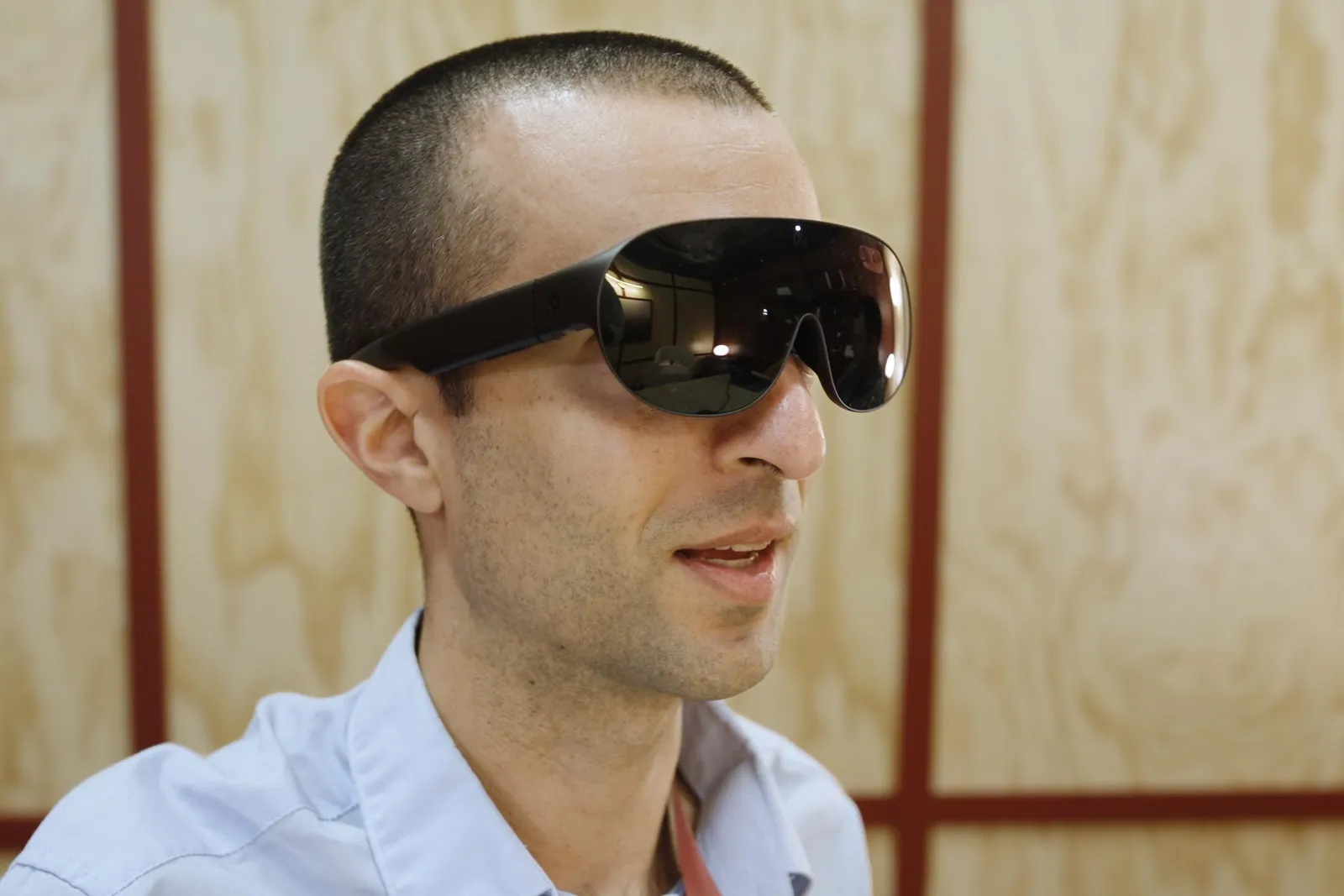
Meta's VR Glasses sit on your ears, not your face - and they're launching
The new form factor trades the head strap for a pocket computing puck, aiming to make VR lighter and more approachable than Quest or Vision Pro.

OpenAI poaches Patreon co-founder Sam Yam and two execs for creator push
OpenAI lands three Patreon veterans to build creator tools, signaling a major bet on the creator economy ahead of a big announcement.