
Seabird guano is the secret weapon helping atolls outpace rising seas
A 28-island study shows that restoring seabirds and native plants can help coral atolls build land faster than seas rise.
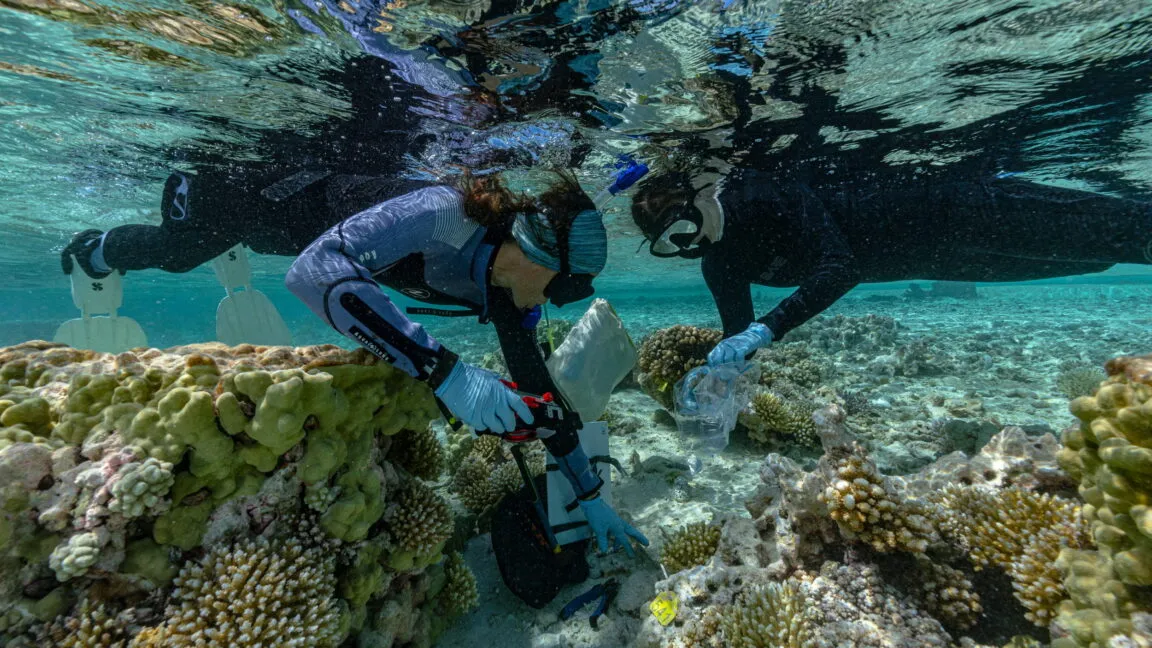
Nick Graham, a marine ecologist at Lancaster University, led a 28-island study published in Science Advances showing that healthy atoll ecosystems can adapt to rising seas. The findings give island nations a scientific basis for investing in ecosystem restoration as a climate adaptation strategy.
Seabird guano is doing more than fertilizing soil - it may be helping entire islands survive climate change. A new study in Science Advances, led by Nick Graham, a marine ecologist at Lancaster University, analyzed 28 atoll islands across the Pacific and Indian Oceans and found that healthy ecosystems can help these landforms keep pace with rising seas. The paper, published Wednesday, describes atoll islands as "naturally active systems that can change and adapt to their environmental conditions if they are allowed to do so."
This story's Key Insights and Take-aways are locked.
Create a free account to unlock Executive Actions for one credit.
Register to UnlockAlways free for Executives Club members. Join the Club
More in Science

France euthanized Félicette, the first cat in space, two months after her flight
Félicette's 1963 flight made France a space-race player, but her euthanasia and a crowdfunded statue reveal how high-risk programs are remembered.

Ultracold atoms just created a 'fractional Fermi sea' that breaks quantum rules
A new quantum state challenges decades of theory and hints at 'super-Fermions,' with real stakes for quantum computing and materials science.

Bangladesh's 202,000 measles cases are a 'real warning' to other nations
The world's worst measles outbreak is spreading as routine vaccination falters. Here is why every country's immunization program should pay attention.