

Section 301 tariffs replace IEEPA after Trump loses in court
New 10% to 12.5% duties may survive judges, but they could hand presidents an open-ended tariff playbook.
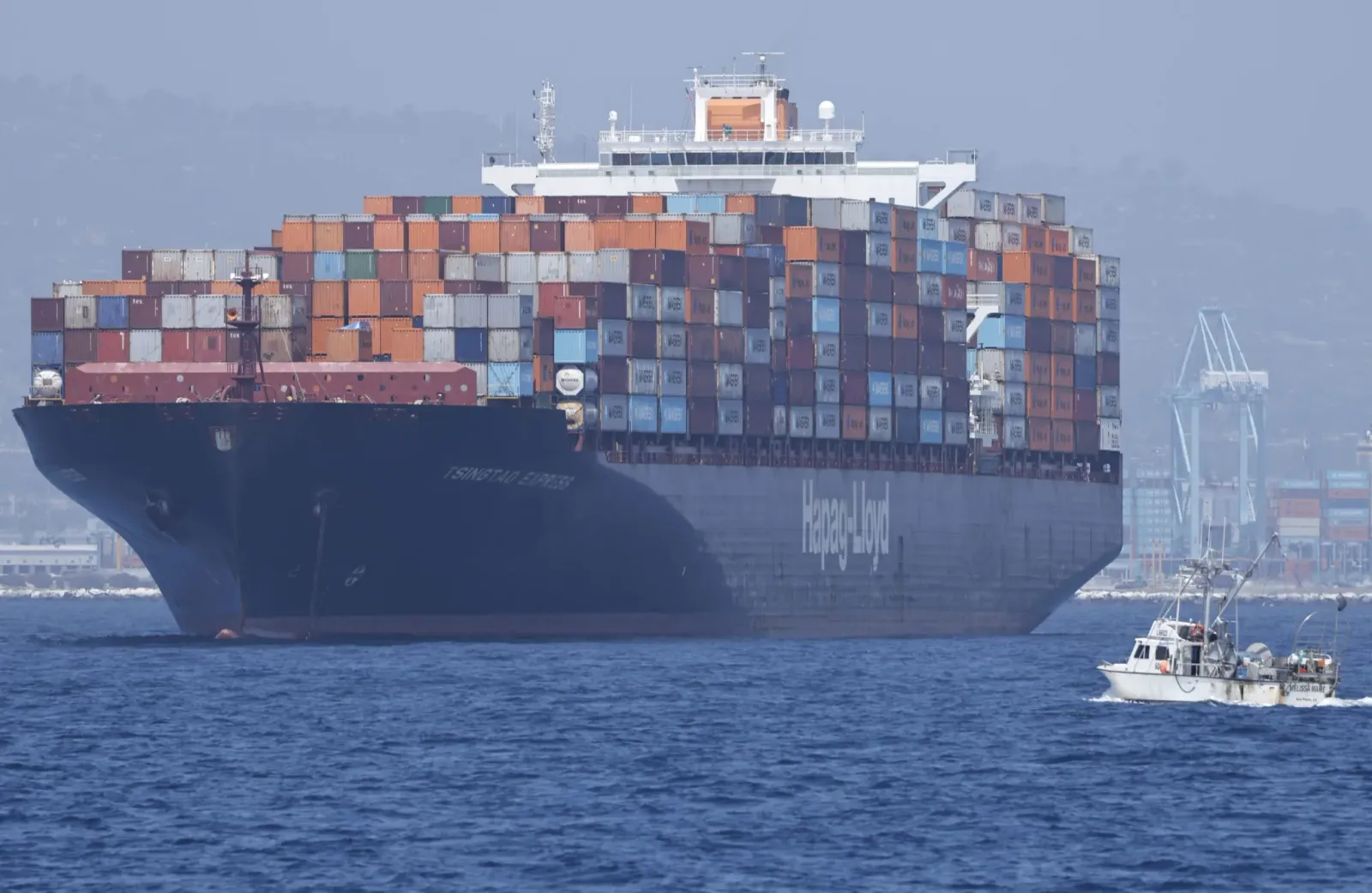
President Donald Trump’s latest import taxes impose 10% to 12.5% duties on 60 U.S. trading partners over forced labor under Section 301, starting Friday. The move matters because, according to Scott Lincicome of the Cato Institute, it can set a precedent courts previously checked under IEEPA.
President Donald Trump’s newest tariff push started Friday: 10% to 12.5% duties on 60 U.S. trading partners, targeting alleged forced labor. It is not just another batch of trade pressure. The legal foundation is different enough to change the odds of surviving court, and that is where the precedent risk comes in.
Unlike Trump’s earlier global tariffs, this new set relies on Section 301 of the Trade Act of 1974, which the source says is considered to be on firmer legal footing. That framing lands after the Supreme Court struck down his “Liberation Day” levies under the International Emergency Economic Powers Act (IEEPA), forcing the administration to use temporary stopgap tariffs that expired just as the new ones took effect. The immediate economic impact is described as minimal because the Section 301 duties largely replace import taxes that were already in place, but the procedural win could outlast the current political cycle.
Scott Lincicome, vice president of general economics at the Cato Institute, argues in a column in the Dispatch that the administration’s justification looks engineered to avoid another defeat. He lists reasons the case for the tariffs appears weak: the tariffs look predetermined, the evidence is thin, the rates are far out of proportion to forced labor’s actual trade impact, and the approach provides no off-ramp. In his words, the “forced labor action is a clear abuse of the law and a serious departure from past U.S. government practice-even under President Trump.” He also says the tariffs are “a ham-fisted way to reinstall Trump’s tariff wall and protect it from another IEEPA-like defeat in federal court.”
Here is the part executives should underline for their risk registers. Lincicome’s core warning is less about today’s forced labor claim and more about what presidents can do tomorrow. If courts keep deferring to the administration’s determinations and actions, the new tariffs may get rubber-stamped. He adds that Congress might not step in either, even as public opinion on the tariffs has soured and lawmakers have shown little urgency to roll them back.
That is how Section 301 transforms from a targeted tool into something broader. Lincicome warns that Section 301 could be used to tariff “any country, at any rate, and for any reason and duration,” as long as it checks the law’s minor procedural boxes. The critical operational detail is that Section 301 requires an investigation into unfair trade practices before tariffs can be imposed. But, he argues, an administration could still go through the motions by claiming some form of harm and offering justifications with little merit. In his view, this is “precisely the open-ended tariff power grab the courts checked with their IEEPA rulings, just with a little more procedural window-dressing.” Put bluntly, he says Section 301 becomes a “broad tariff generator instead of the targeted tool Congress thought it designed.”
If you are a CFO, procurement leader, or board member trying to forecast margin, supply chain cost, or pricing power, the precedent is the compounding problem. Lincicome predicts the mechanism could be used by Trump or any future president to tariff trading partners over carbon emissions, labor standards, AI regulation, or “anything else.” Even if you disagree with the specific targets, the governance concern is real: the same legal pathway can lower the barrier to launching trade measures, then keep them in place long enough for companies to plan around them.
Meanwhile, tariffs are not stopping with forced labor. The source notes that more tariffs are in the works that will add to the overall import bill. Oxford Economics estimated the effective U.S. tariff rate will rise to 9.2% from 8.6%, and then climb further to 9.6% when new pharmaceutical tariffs take effect later this month. Oxford Economics also points to three other pending Section 301 investigations: one on 16 countries relating to excess capacity and manufacturing; another on Vietnam over intellectual property protection; and a probe on Germany regarding underpayment for pharmaceutical innovations. Sara Godfrey, an associate U.S. economist at Oxford Economics, says that once in place, Section 301 tariffs can be “stacked and adjusted rapidly,” creating risk to baseline tariff assumptions.
For decision-makers, the strategic stake is straightforward. Section 301 may look narrower on paper than IEEPA, but if courts treat the process as enough, tariffs can still become a fast-moving lever that reshapes sourcing decisions and pricing strategies across entire categories. The companies most exposed may not be the ones with the highest tariff headlines, but those caught in the stacking sequence, where small percentage points become big dollars when layered across regions, product lines, and contract cycles. In other words: today’s forced labor duties are an economic footnote for many importers. Tomorrow’s legal precedent could be the line item you can’t escape.
This story's Key Insights and Take-aways are locked.
Create a free account to unlock Executive Actions for one credit.
Register to UnlockAlways free for Executives Club members. Join the Club
More in Politics
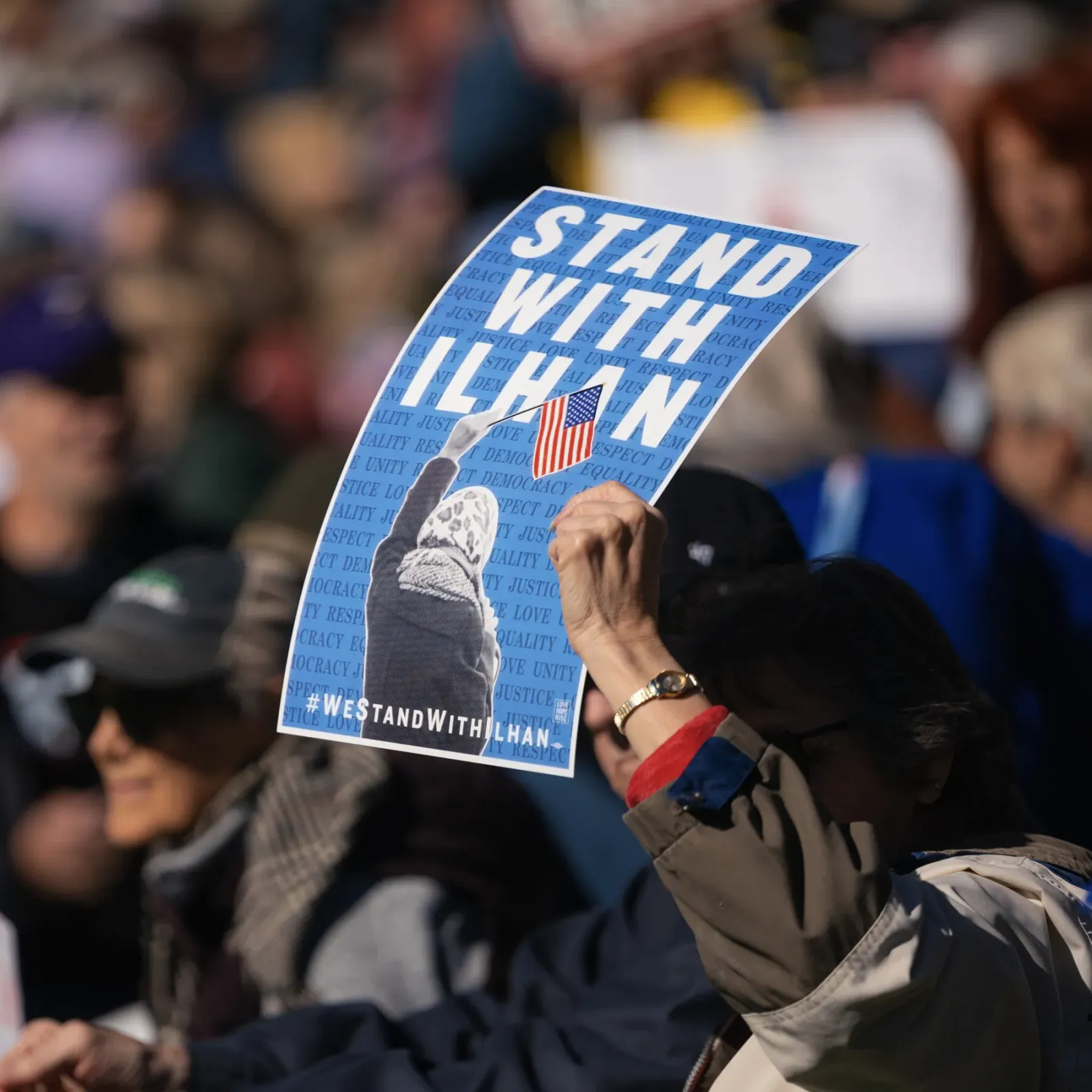
Obama Defends Ilhan Omar After Agents Search Her Home in Trump Inquiry
The former president's intervention raises the stakes in a federal probe into immigration paperwork that has put a prominent progressive lawmaker in the crosshairs.

Blair-era minister: cut welfare to fund youth job support
Alan Milburn's call for welfare cuts to fund employment support opens a Labour fight over benefits and the Neet crisis.
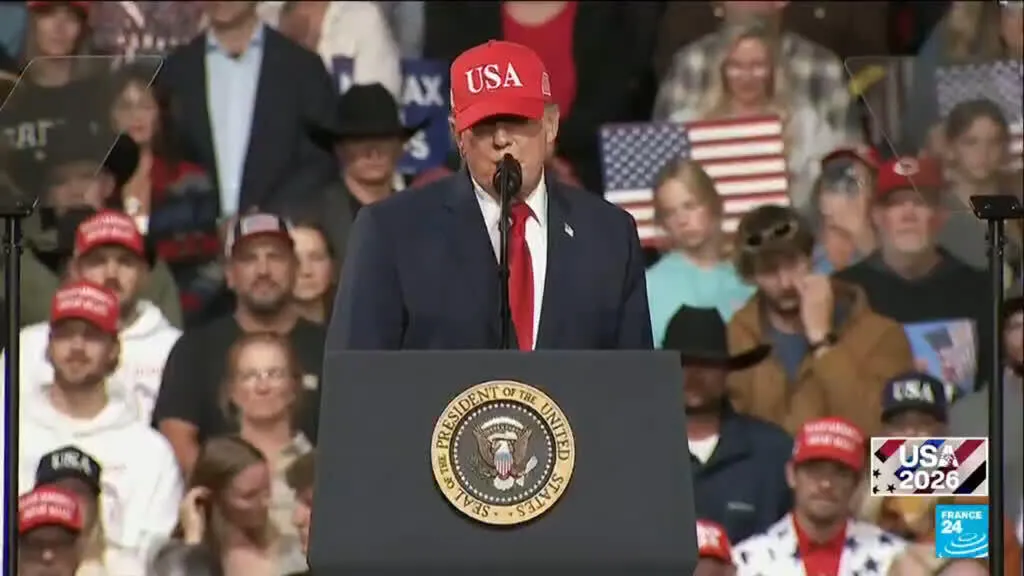
Hot September CPI: energy costs surge, voters feel the squeeze before midterms
The latest inflation print lands as Trump campaigns for GOP control of Congress, putting cost-of-living worries at the center of the midterm fight.