
Sen. John Kennedy says he "wouldn't bet my house" on Blanche confirmation
A Judiciary Committee lawmaker signals Senate doubt on Todd Blanche, while GOP senators seek a DOJ fix.
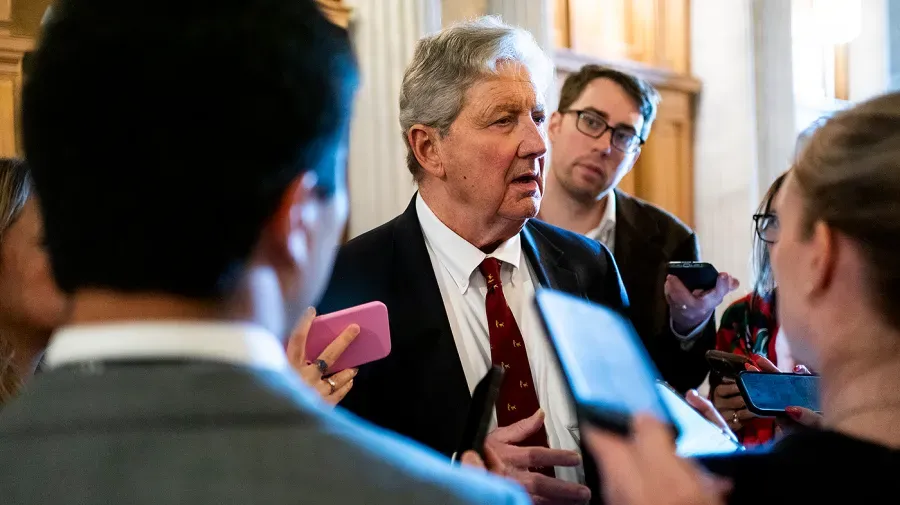
Acting Attorney General Todd Blanche is facing growing skepticism after GOP Sen. John Kennedy said he wouldn't bet his house on his confirmation. Kennedy pointed to GOP Sens. John Cornyn and Thom Tillis talking with the DOJ about a resolution.
Republican Sen. John Kennedy (La.) is casting serious doubt on whether the Senate will confirm acting Attorney General Todd Blanche to the full-time post. In an appearance on NBC's “Meet the Press” on Sunday, Kennedy said he “wouldn’t bet my house” on Blanche’s confirmation.
That line matters because Kennedy is not just a random commentator. He is a member of the Senate Judiciary Committee, the gatekeeping committee for a huge chunk of the confirmation process, and his skepticism is a signal to everyone watching the vote math and the negotiation dynamics inside the chamber. The headline stake is simple: if even a Judiciary Committee Republican is publicly unsure, it becomes harder for leaders to treat confirmation as a formality.
Kennedy’s remarks also gave a glimpse into how this is likely being handled behind the scenes. He noted that GOP Sens. John Cornyn (Texas) and Thom Tillis (N.C.) are “talking” with the Justice Department (DOJ) about a resolution. In other words, the public debate is being paired with private pressure, where senators try to shape conditions for the vote, not just argue about them.
To understand why executives and decision-makers should care, zoom out for a second. The attorney general is not only a political role. The office sets enforcement priorities, influences how federal cases are framed, and shapes how regulatory agencies coordinate with DOJ. Even when the day-to-day work is carried out by career professionals, the confirmation of a new full-time AG can change how aggressively certain investigations move, how risk is allocated, and which policy theories become default.
For businesses that operate in regulated sectors, that means confirmation uncertainty can quickly translate into operational uncertainty. Compliance teams tend to plan for stability, but when leadership is in flux, companies often see more questions from internal stakeholders: Are we preparing for a tougher enforcement posture? Will DOJ take a different view of evidence standards or prosecutorial discretion? Will coordination with federal regulators tighten or loosen? Those are not idle worries. They affect settlement posture, litigation strategy, and how quickly companies choose to escalate concerns to counsel.
This is also a reminder of how confirmations can become a negotiation, not a simple yes or no. When Kennedy emphasizes he is not betting his house, he is effectively telling the audience that there are unresolved issues in the process. Those issues could be legal, procedural, or political, but the key is that they are significant enough that a committee member is unwilling to treat the end result as inevitable.
The Cornyn and Tillis “talking” detail points to the typical mechanism: senators with credibility in their caucus, and the relationships to get responses from the executive branch, try to move the situation toward something that can clear the Senate. That is how lawmakers often de-risk contentious votes. They look for a resolution that satisfies the concerns of swing members and maintains party unity, while also protecting the nominee from a drawn-out fight.
Second-order implications show up at the board and leadership level, too. When regulatory leadership is uncertain, companies in the crosshairs of enforcement often revisit governance questions: whether escalation pathways are working, whether monitoring is sufficient, and whether external counsel has the right guidance for fast-changing risk. In practice, board members do not need to know the specifics of DOJ negotiations. They do need to know that the environment can shift quickly when Senate confirmation becomes uncertain.
For other political and institutional stakeholders, Kennedy's comments also raise the temperature of the process. Public doubt can harden positions among senators who are undecided or waiting for clarifications. It can also affect how the White House and DOJ prioritize responsiveness, because if the confirmation path looks less stable, officials have more incentive to seek outcomes that reduce friction.
Bottom line: Acting Attorney General Todd Blanche's confirmation is no longer being treated as guaranteed, and Sen. John Kennedy's “wouldn't bet my house” framing turns procedural uncertainty into a political headline. Add in the detail that Cornyn and Tillis are talking with the DOJ about a resolution, and you get a clear picture of the moment: negotiations are underway, but the Senate outcome is still in question. For anyone tasked with managing compliance, legal risk, or regulatory exposure, the strategic takeaway is to plan for volatility until confirmation becomes real and the full-time authority is in place.
This story's Key Insights and Take-aways are locked.
Create a free account to unlock Executive Actions for one credit.
Register to UnlockAlways free for Executives Club members. Join the Club
More in Politics
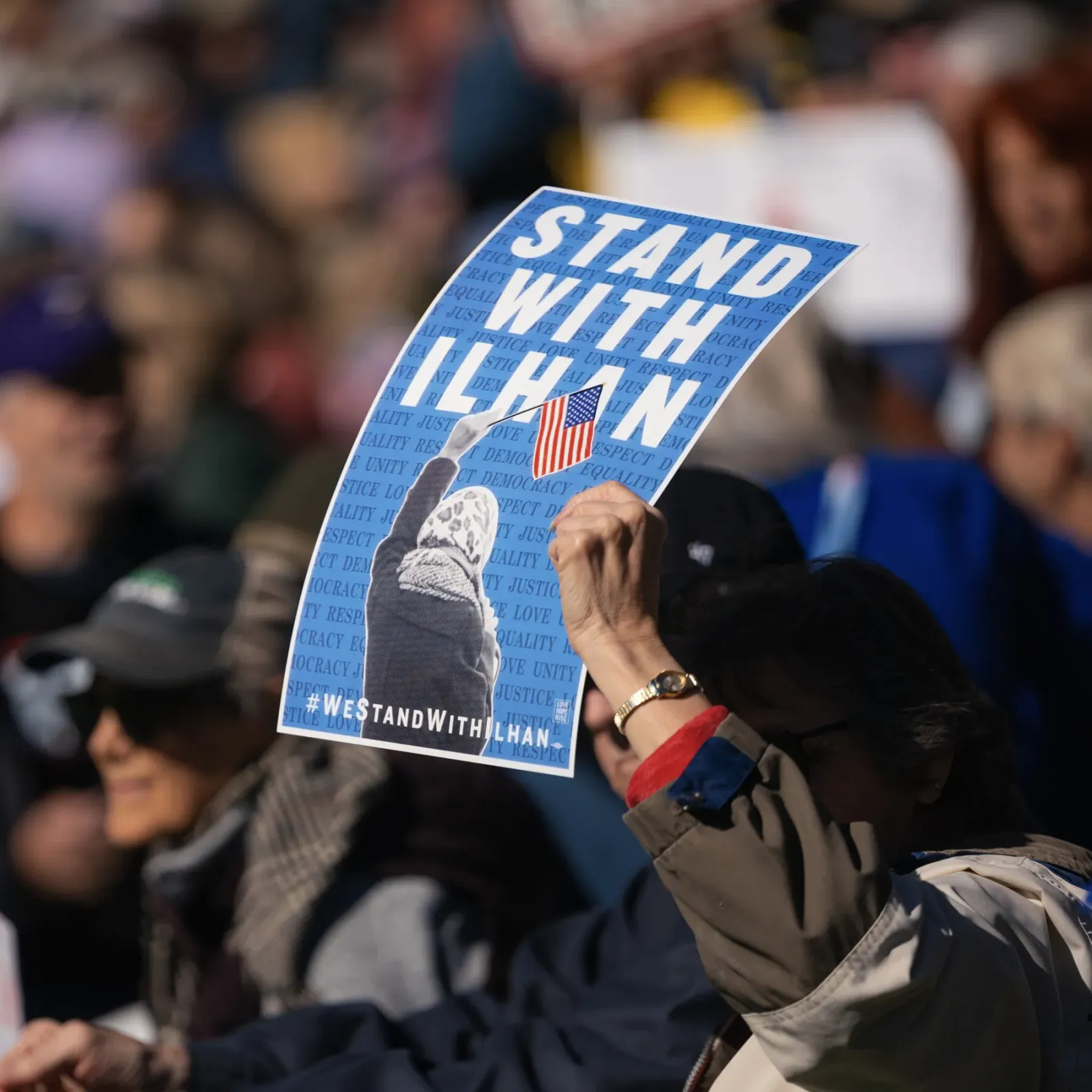
Obama Defends Ilhan Omar After Agents Search Her Home in Trump Inquiry
The former president's intervention raises the stakes in a federal probe into immigration paperwork that has put a prominent progressive lawmaker in the crosshairs.

Blair-era minister: cut welfare to fund youth job support
Alan Milburn's call for welfare cuts to fund employment support opens a Labour fight over benefits and the Neet crisis.
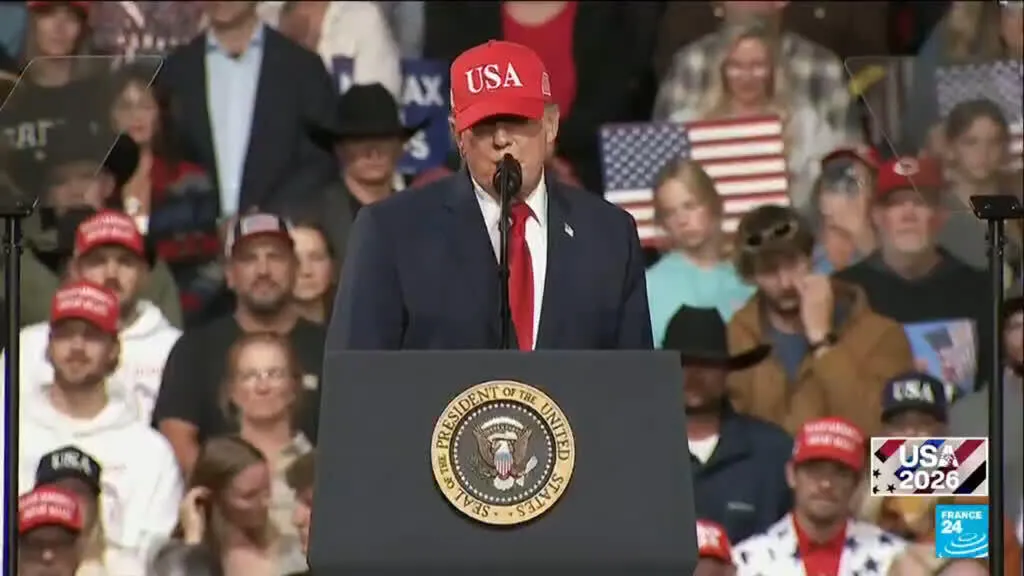
Hot September CPI: energy costs surge, voters feel the squeeze before midterms
The latest inflation print lands as Trump campaigns for GOP control of Congress, putting cost-of-living worries at the center of the midterm fight.