
Seoul High Court halts FTC move naming Coupang founder Bom Kim as controlling person
The court freezes disclosure obligations tied to the Fair Trade Commission’s order while the lawsuit proceeds.

South Korea’s Seoul High Court suspended the Fair Trade Commission’s decision to name Coupang founder Bom Kim as the e-commerce group’s controlling person. For decision-makers, it pauses disclosure requirements and buys time as the underlying administrative case moves forward.
Coupang just cleared a meaningful hurdle in its fight with South Korea’s competition regulator. On Tuesday, the Seoul High Court suspended the Fair Trade Commission’s order that would name founder Bom Kim as Coupang’s controlling person. That suspension matters because it immediately freezes the disclosure obligations that would have kicked in under the FTC’s decision while the underlying lawsuit is still heard.
The headline is the action, but the stakes are the “freeze.” By putting the FTC’s controlling-person designation on hold, the court effectively pauses a specific compliance and transparency trigger that can change how markets, counterparties, and regulators interpret ownership and governance. Administrative Division 7 of the Seoul High Court granted the suspension, while the broader dispute continues through the administrative process.
To understand why this is a big deal, you have to understand what “controlling person” labeling can do in corporate and regulatory ecosystems. In many jurisdictions, controlling-person determinations are not just paperwork. They can shift the timing and scope of disclosures, change how investors view governance and influence, and tighten expectations around who effectively directs decisions. For an operator like Coupang, which sits in one of the most scrutinized corners of modern commerce, governance signals travel fast. Even if the company ultimately prevails or loses on the merits, the interim period during a challenge can meaningfully affect risk perception and compliance posture.
This case also highlights how competition enforcement often spills beyond pure pricing or market conduct. Regulators can look at corporate structure and influence as part of how competition outcomes are shaped. The FTC’s decision to name Bom Kim as the controlling figure implies the regulator believed there was enough basis to treat the founder as exercising decisive control, not just nominal leadership. The court’s suspension does not resolve that question. It does, however, interrupt the regulator’s timeline and blocks the downstream obligations that would have flowed from the designation.
The procedural angle is crucial. The Seoul High Court did not discard the FTC’s entire position in a final judgment in the excerpted reporting. It granted the suspension while the lawsuit is heard, which means the court is allowing the administrative case to continue without implementing the FTC order’s immediate operational consequences. In practice, that often shifts leverage. The party targeted by an order gains breathing room: compliance teams can pause or adjust plans that would be required under the regulator’s interpretation, and leadership can avoid locking into positions that later turn out to be unnecessary.
For Coupang, the “first round” win is exactly that, first round. The underlying merits remain in play, and the court’s action is framed as a suspension pending the administrative process. But “pending” can still be valuable. Interim outcomes can shape negotiations, board discussions, and how boards coordinate with counsel on disclosure strategy. They can also influence how quickly external stakeholders assume certain governance realities. Even when everyone waits for the final decision, people do not stop forming views while they wait.
For other executives and boards watching this, the second-order lesson is about how regulatory risk can become governance risk. A controlling-person determination can pull the board, the founder, and finance functions into a different compliance operating mode, especially around disclosures and oversight expectations. When a court suspends such a designation, it gives a temporary path to stabilize operations, but it also underscores that regulators may return with the same theory unless the underlying case changes outcome.
So the strategic stakes are clear. Coupang’s case is not only a legal dispute between a company and South Korea’s competition regulator. It is a live test of how courts treat controlling-person designations and how quickly disclosure consequences can be paused when contested. If you are an executive at a company where ownership structure, founder influence, or governance interpretation is under regulatory scrutiny, this is a reminder that procedural wins can buy real time, and that time can be operationally consequential while the merits are still being fought.
This story's Key Insights and Take-aways are locked.
Create a free account to unlock Executive Actions for one credit.
Register to UnlockAlways free for Executives Club members. Join the Club
More in Business
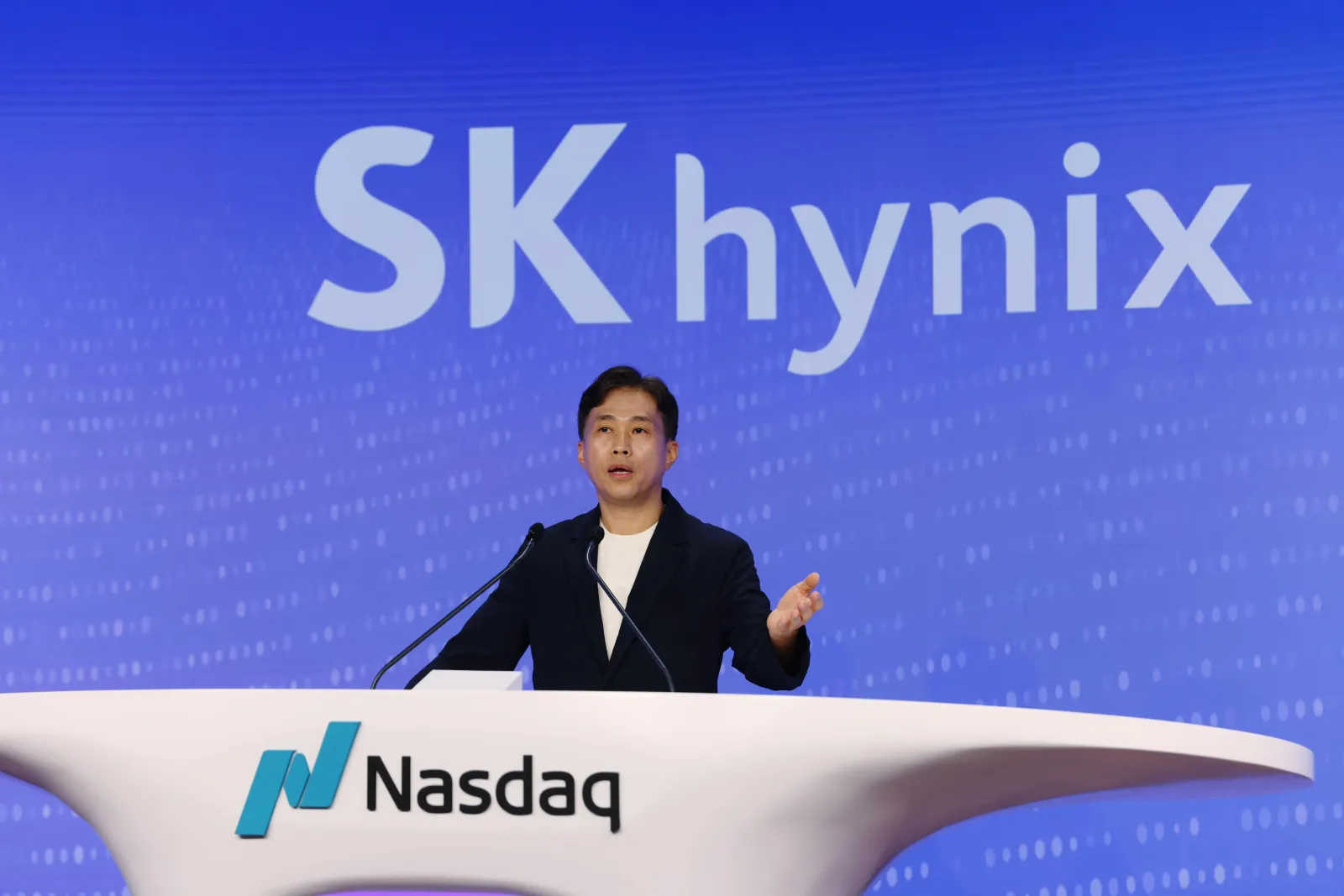
SK Hynix opens at $170, raises $26.5B, and tops foreign IPO records
In Friday's Wall Street debut, SK Hynix turns AI RAM demand into a $26.5B fundraising moment that rewrites comps.

China lands a reusable Long March booster, a first that matches SpaceX and Blue Origin
A barge landing and net-based recovery move China from theory to proof, reshaping the reusability race and satellite ambitions.

AstraZeneca $27B wipeout as Wainua late trial misses cardiovascular target
A failed late-stage heart study triggered a swift market punishment, forcing investors and boards to reset timelines and risk.