

Sharp drop in China exhibitors at Tokyo Game Show as ties worsen
The annual gaming expo sees a significant decline in Chinese participation, signaling how geopolitical friction is reshaping the industry's biggest trade events.
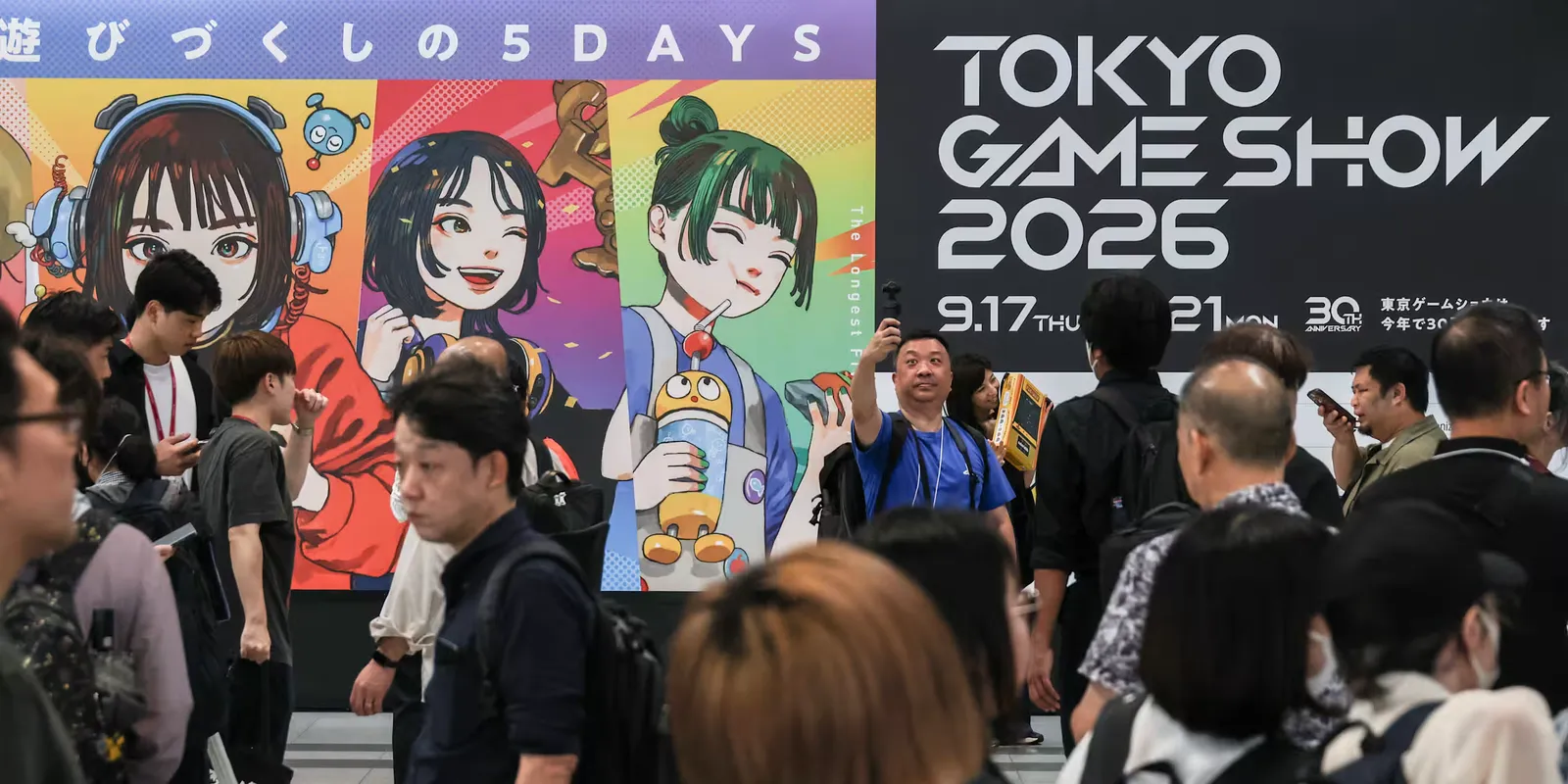
According to Nikkei Asia, the Tokyo Game Show has experienced a sharp drop in exhibitors from China as bilateral ties between Japan and China deteriorate. For gaming executives and event organizers, this signals a broader decoupling trend that could reshape global industry networking and market access.
The Tokyo Game Show, one of the world's largest gaming expos, has seen a sharp decline in exhibitors from China, according to Nikkei Asia, as bilateral ties between Tokyo and Beijing worsen. The drop marks a notable shift for an event that has long served as a bridge between Japanese and Chinese gaming companies, and it is the latest sign that geopolitical friction is now directly affecting business-to-business interactions in the gaming sector.
Historically, Chinese developers and publishers have used the Tokyo Game Show to showcase titles, forge partnerships, and tap into the Japanese market. The expo has been a key venue for cross-border deals, with Chinese firms often among the most prominent international participants. The sharp reduction in their presence signals that the commercial calculus has changed: the cost and risk of appearing at a foreign expo may now outweigh the potential benefits when political headwinds are strong. For gaming executives, the decline is more than a logistical inconvenience; it represents a loss of access to a critical partner ecosystem.
Chinese companies have been major consumers of Japanese gaming IP, licensing, and technology, while Japanese firms have relied on Chinese distribution channels and the massive mainland market. A shrinking Chinese presence at the expo suggests that these commercial ties are fraying, potentially forcing companies to seek alternative routes to market. The Tokyo Game Show is not alone in feeling the effects of strained relations. Across the tech and entertainment industries, events are becoming less international as political tensions rise. Trade shows are often early indicators of broader economic decoupling, and the gaming sector, which is highly globalized, is particularly sensitive to such shifts.
The drop in Chinese exhibitors could also affect the show's overall scale and appeal, as Chinese companies have contributed to its growth in recent years. Japan and China have seen relations deteriorate over issues ranging from territorial disputes to technology export controls. The gaming industry, while not directly targeted by most sanctions, is caught in the crossfire as companies become more cautious about cross-border collaboration. This caution is reflected in event participation, where the cost of travel, visa uncertainty, and reputational risk can deter even the most eager market entrants.
For executives in gaming and adjacent industries, the trend underscores the need to diversify business development strategies. Relying on a single trade show or a single market for partnerships is increasingly risky. Companies should consider building relationships through multiple channels, including regional events, digital showcases, and direct outreach, to insulate themselves from geopolitical shocks. The sharp drop in Chinese exhibitors at the Tokyo Game Show is a clear signal that the gaming industry's globalized era is facing new constraints. While the full impact will take time to unfold, the message for decision-makers is clear: geopolitical risk is now a factor in every business development plan. Those who adapt early will be better positioned to navigate a fragmented market.
This story's Key Insights and Take-aways are locked.
Create a free account to unlock Executive Actions for one credit.
Register to UnlockAlways free for Executives Club members. Join the Club
More in Business
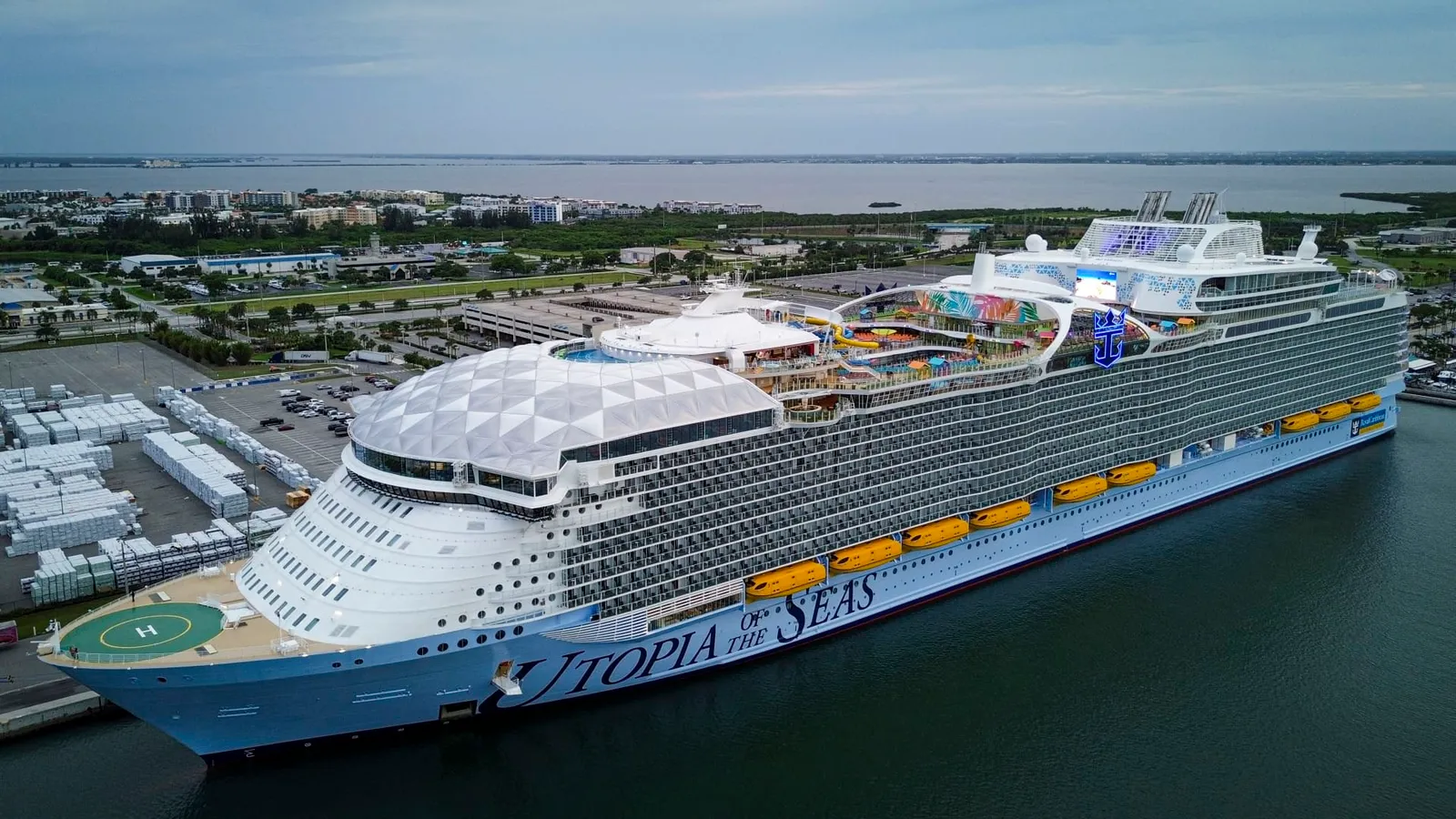
Royal Caribbean just spent $3B to own half of Sandals
The cruise giant is buying a 50% stake in the all-inclusive resort chain for $3 billion, a bet that land-based vacations are the next growth engine.

Paramount's Ellison: Merger Clearance Done, WBD Deal by Oct 1
David Ellison says the Paramount-WBD merger has full clearance after settling with state AGs, clearing the path for an October 1 close.
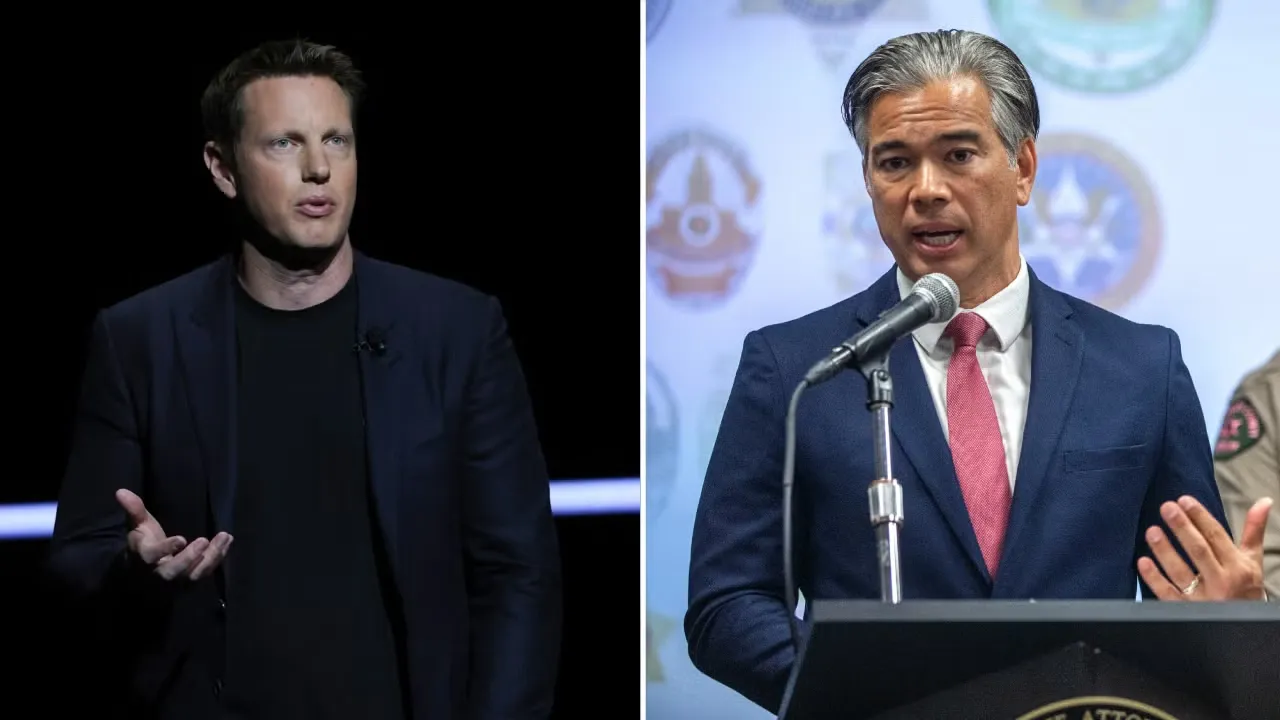
Paramount settles with 12 states, $110B Warner merger clears final hurdle
David Ellison's studio avoids a March trial and a $7M-a-day ticking fee by settling with state AGs over local job losses.