
SK Hynix converts 2018 bonds into 14.1% of Kioxia, seizing top seat
A quiet Friday filing turns a seven-year-old convertible position into the largest stake in Japan's flash memory champion, redrawing the NAND pecking order.
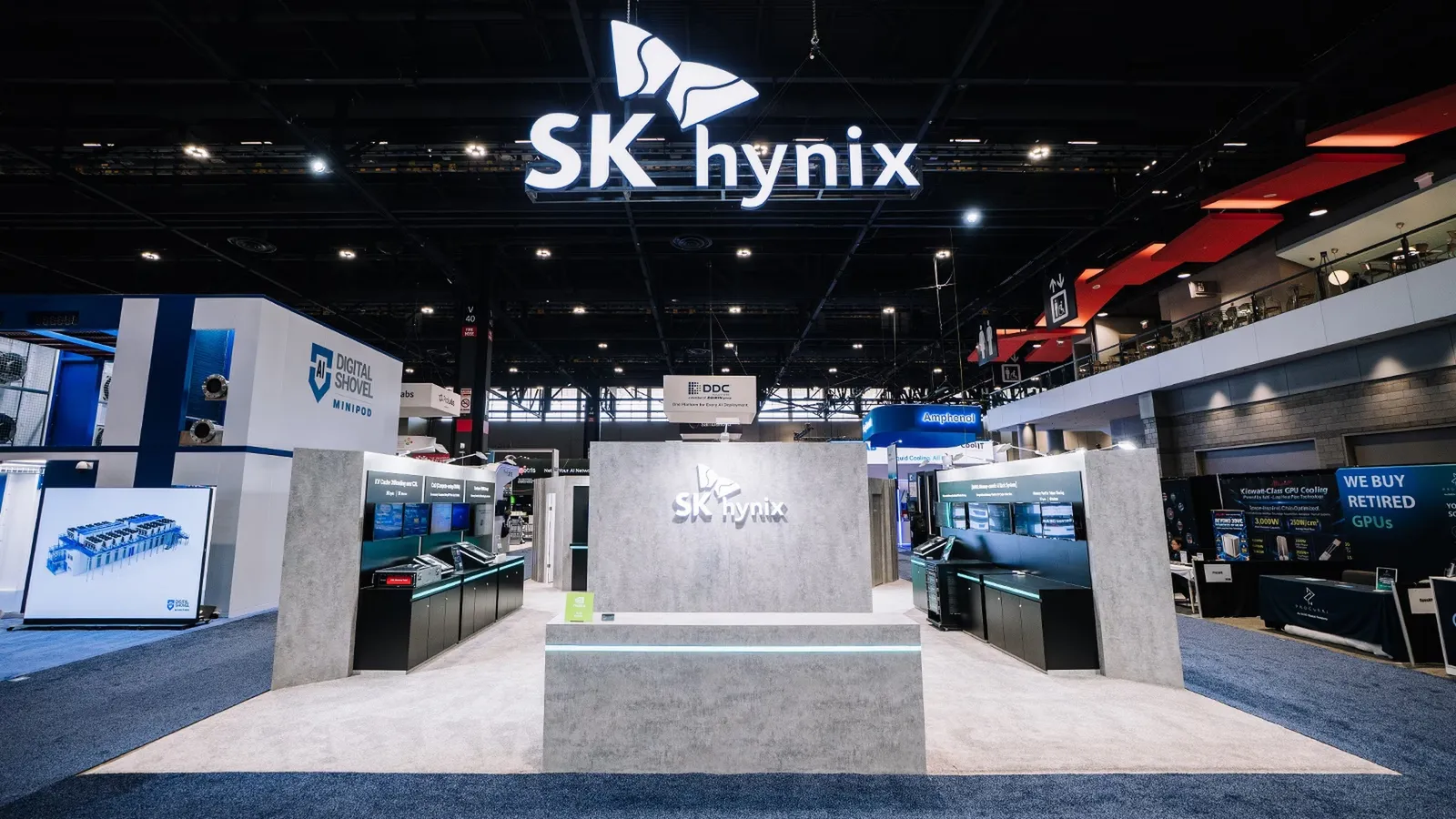
SK Hynix said in a Friday filing that it will convert bonds held since 2018 into shares of Kioxia, giving it an indirect stake of about 14.1% and making it the largest shareholder in its Japanese flash memory rival. For decision-makers, the move concentrates NAND ownership further, hands SK Hynix a blocking-sized position inside a competitor, and puts a cross-border chip stake in front of Japanese regulators.
SK Hynix will become the largest shareholder in Kioxia, its Japanese rival in flash memory, by converting bonds it has held since 2018 into shares. The Korean chipmaker said in a filing on Friday that the conversion will hand it an indirect stake of about 14.1% in Kioxia. Bloomberg's Yoolim Lee was first to report the filing. That is the whole announcement, and it is enough to redraw the ownership map of the NAND flash industry. A financing instrument that sat quietly on the books for seven years is now a top-of-the-table position, and SK Hynix did not have to write a fresh check at the moment of conversion to get it.
The word "indirect" is doing real work here. It typically signals that the stake is held through an intermediary vehicle rather than sitting directly on SK Hynix's own balance sheet, which matters for how the position is reported, how it is voted, and how regulators treat it. The 14.1% figure is the number to remember: it is large enough to make SK Hynix the single biggest holder, and it lands in a market where ownership concentration has direct consequences for pricing, capacity discipline, and who gets a say in Kioxia's next strategic move. The filing also puts SK Hynix ahead of the other investors in Kioxia's ownership group, a shift that happens on paper but lands in the real world.
For context, Kioxia was carved out of Toshiba's memory business and sold to a consortium of investors, a transaction that closed around 2018, the same year SK Hynix's bonds were issued. That timing is not a coincidence. Convertible instruments are a common way for strategic investors to park capital in a deal they cannot or do not want to own outright at the start, keeping optionality while the asset matures and the political weather changes. Seven years later, SK Hynix is exercising that option, and a structure that once looked like passive financing now looks like a deliberate path to influence.
Flash memory is a brutal business. NAND makers spend enormous sums on fabrication capacity, prices swing hard with the supply cycle, and the field is small: Samsung, SK Hynix, Micron, Kioxia and Western Digital's flash arm are the names that matter. Consolidation and cross-shareholding have been the industry's answer to that volatility for years, because a market with a handful of disciplined players behaves better than one with a crowd. SK Hynix becoming Kioxia's largest shareholder pushes that logic one step further, and it does so at a moment when AI data centers are pulling enormous volumes of storage demand, which makes every ownership seat in NAND more valuable than it was a few years ago.
The Japan angle is the one to watch. Tokyo has grown steadily more protective of its semiconductor assets, and foreign ownership of domestic chip capacity is politically loaded in a way that a bond conversion filed in Seoul might not fully capture. Historically, cross-border stakes in Japanese chipmakers have drawn scrutiny under investment screening rules, and a move that shifts the largest shareholder seat across a border is exactly the kind of transaction that invites a closer look. SK Hynix has framed this as a filing, not a takeover. That distinction will be tested, and the answer will shape how quickly the position becomes operational rather than notional.
For Kioxia's other investors, the arithmetic changes overnight. A 14.1% indirect stake is not control, but it is a blocking-sized position in most governance structures, and it makes SK Hynix the first call on any decision that requires a large holder's consent. Anyone who assumed the shareholder register was settled now has to re-underwrite that assumption, including whoever ends up negotiating Kioxia's next round of financing or any future move toward public markets. Minority holders who thought they had room to maneuver should assume that room just got smaller.
Rivals should read this as a competitive signal, not a financial one. SK Hynix is simultaneously a shareholder in a competitor and a competitor to that same company, a structure the memory industry knows well and has never fully resolved. For customers, the question is whether a more concentrated ownership map leads to more disciplined capacity additions, which would support pricing, or to a slower and more cautious Kioxia. For Samsung and Micron, it means one of their main rivals now has a seat inside another one, and seats inside rivals tend to come with information, timing advantages, and a voice in capital allocation decisions.
The broader lesson for boards is about optionality. SK Hynix spent seven years holding a convertible position that looked inert and turned it into the largest stake in a rival without a headline-grabbing acquisition price. That is a template worth studying: patient capital, structured quietly, converted at the moment it carries the most leverage. Executives tracking competitive threats should be asking what convertible positions, minority stakes, and commercial agreements sit on their own shareholder registers, and what those instruments become the day someone decides to convert them.
This story's Key Insights and Take-aways are locked.
Create a free account to unlock Executive Actions for one credit.
Register to UnlockAlways free for Executives Club members. Join the Club
More in Business

GTA VI hauls $3.79bn in one day, out-earning every film ever made
Rockstar's own estimate covers a single Thursday plus a record 32.5m prerelease units, and it lands on every board weighing IP concentration, pricing power and launch risk.

FBI's crime database breached again, the second hack in months
CNN reports hackers hit the National Crime Information Center, the shared backbone of US policing, and the repeat timing is the part every security team should study.

S&P 500 Enters Correction, Down 10% From Its High on AI Worries
The index's slide past the 10 percent line is a symbolic verdict on investor mood, and the AI trade that powered the rally is now the thing testing it.