

SK Hynix shares drop 15% after Nasdaq debut, Nikkei Asia reports
A “successful” listing still leaves SK Hynix down hard, and it changes how investors price memory risk.
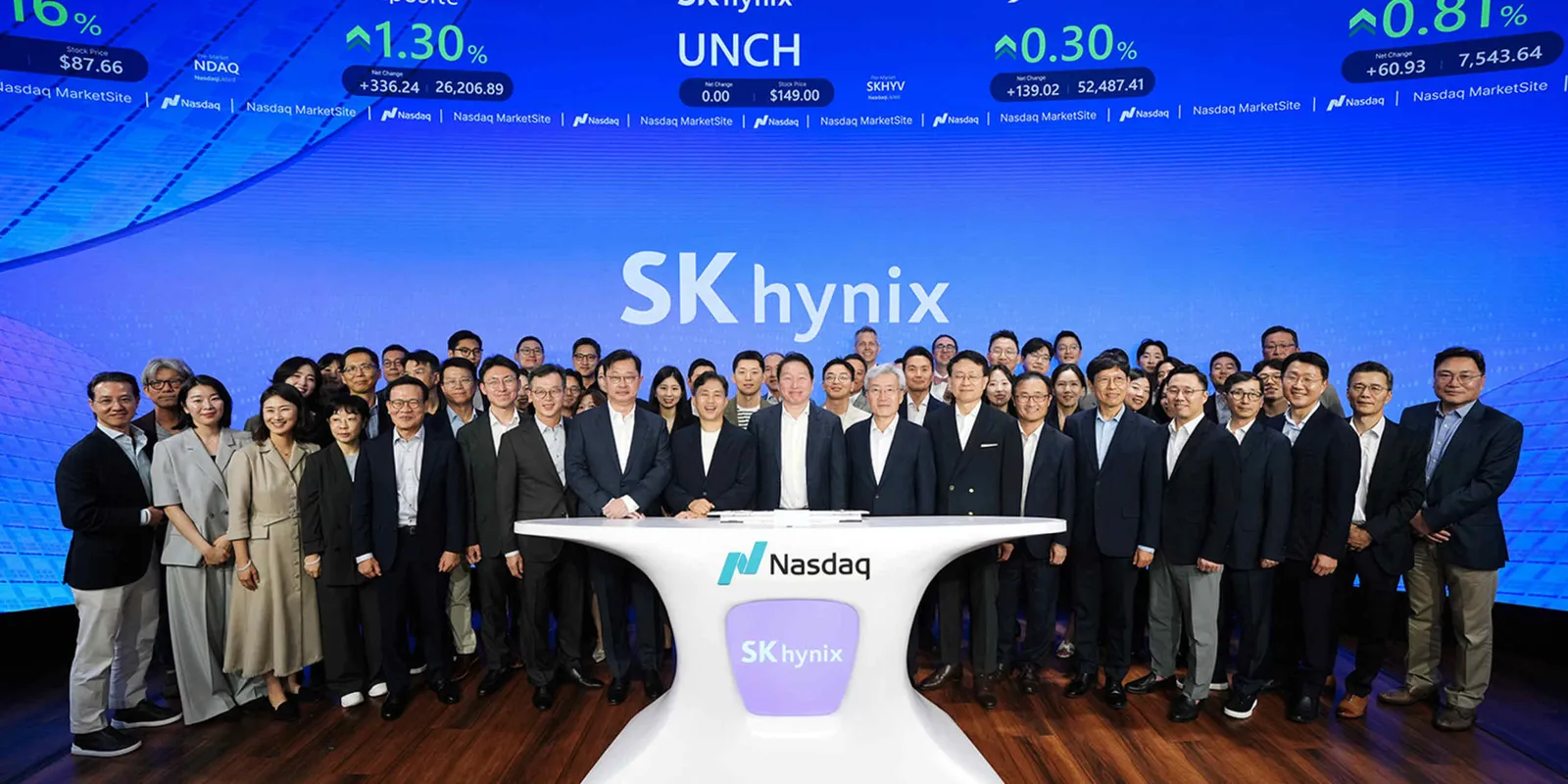
SK Hynix’s Nasdaq debut was described as successful, but the stock fell more than 15% after trading began. For decision-makers, it underscores how quickly market sentiment and pricing expectations can override a milestone event.
SK Hynix’s Nasdaq debut got the headline, but the market got the last word. According to Nikkei Asia, the company’s shares lost more than 15% after what was framed as a successful listing. That combo is the whole story, and it matters because it puts a real number on a familiar risk: even a big-cap, high-demand IPO or crossover can turn into a near-term disappointment if the first repricing is unforgiving.
Here is what decision-makers should focus on first: the “successful Nasdaq debut” did not prevent a sharp selloff once shares started trading. A decline of more than 15% after the debut is not a rounding error. It is the kind of move that signals investors are actively questioning valuation, supply-demand balance, or the near-term fundamentals they thought they were buying into. In other words, the market did not treat the milestone as proof of upside. It treated it as an opportunity to reprice.
To understand why this happens, it helps to recall what “success” means in a listing context. Companies and banks often measure success by execution, demand from investors during the offering, and smoother-than-expected market mechanics. Traders and allocators, however, measure success by what happens in the open after the paper hits the tape. If pricing expectations run ahead of perceived fundamentals, the first day or week can bring a fast correction. The SK Hynix move is a reminder that a listing can be operationally smooth and economically painful at the same time.
That tension is especially relevant in semiconductors, and in memory in particular. Memory is cyclical, with pricing that can swing based on demand from device makers, inventory levels across the supply chain, and the pace at which new capacity comes online. Markets know this. They also know that memory companies tend to be highly sensitive to signals about industry balance, and those signals can arrive with delays. When a company arrives on a new trading venue, global investors may bring different assumptions about cycle timing, margins, and “normal” profitability. If the opening consensus is too bullish, the stock can drop as expectations reset.
There is also a governance and capital-markets angle. A Nasdaq debut typically expands a company’s investor base, increases visibility, and can broaden liquidity. But with that comes heightened scrutiny. Public market dynamics reward clarity: on guidance, on how management frames the cycle, and on how the company’s capital strategy aligns with industry needs. When the stock falls more than 15% despite debut success, it can pressure management and the board to communicate faster and more precisely, because the market is telling you that it wants fewer assumptions and more proof.
For executives and boards at other semiconductor and high-cyclical industrial firms, the second-order implication is blunt: the “event” is rarely the end of the story. The debut can be a catalyst, but the trading multiple can move on fundamentals and sentiment at the same time. If investors treat the IPO or cross-listing as a moment to test valuation, then the company’s first public trading phase becomes a referendum on the entire operating narrative. Even if long-term believers think the market is overreacting, shorter-term capital flows can influence borrowing costs, future fundraising plans, and how peers are priced during the same window.
Finally, there is a broader international framing that matters for anyone allocating capital across regions. A move onto Nasdaq is not just a corporate milestone; it is a bridge between different investor cultures and valuation frameworks. Nikkei Asia’s headline pairing of “successful Nasdaq debut” with a subsequent loss of more than 15% captures the reality that bridges can work both ways. They can widen access to capital, but they can also expose the issuer to new benchmarks and new expectations. In the memory sector, where cycles are already volatile, that exposure can be especially noticeable right away.
The stake for peers is straightforward: if your business is cyclical and your new listing increases the speed of market repricing, you may get less time to be misunderstood. The market move in SK Hynix is a reminder that milestones do not protect you from valuation resets. The next steps are communication, credibility on cycle dynamics, and making sure investors understand what “success” on day one really means for day 30.
This story's Key Insights and Take-aways are locked.
Create a free account to unlock Executive Actions for one credit.
Register to UnlockAlways free for Executives Club members. Join the Club
More in Business
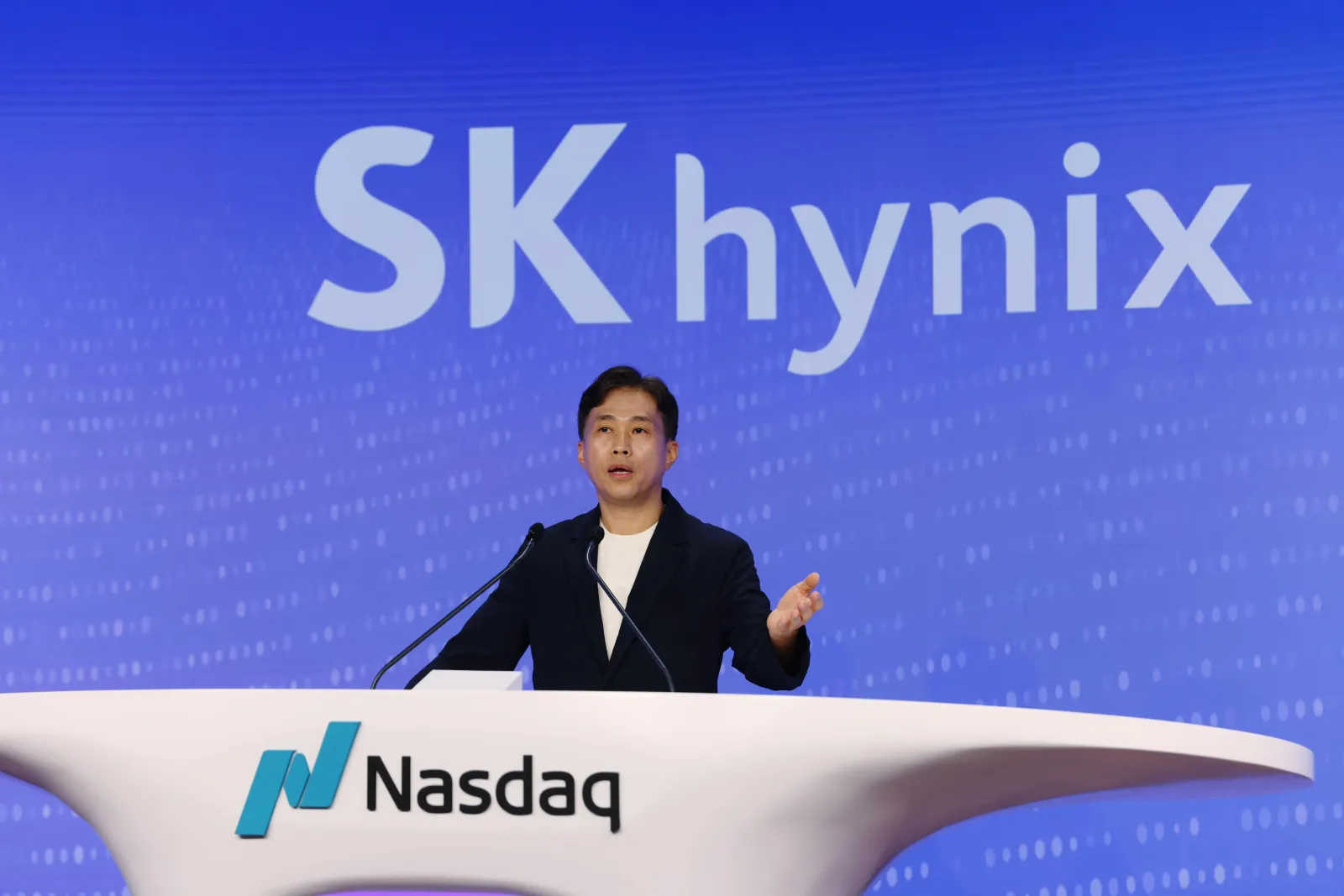
SK Hynix opens at $170, raises $26.5B, and tops foreign IPO records
In Friday's Wall Street debut, SK Hynix turns AI RAM demand into a $26.5B fundraising moment that rewrites comps.

China lands a reusable Long March booster, a first that matches SpaceX and Blue Origin
A barge landing and net-based recovery move China from theory to proof, reshaping the reusability race and satellite ambitions.

AstraZeneca $27B wipeout as Wainua late trial misses cardiovascular target
A failed late-stage heart study triggered a swift market punishment, forcing investors and boards to reset timelines and risk.