

Slovenia’s new right-wing government removed the Culture Ministry rainbow flag in June
Pride Month’s close shows what a public symbol change can mean for LGBTQ+ safety, visibility, and governance.
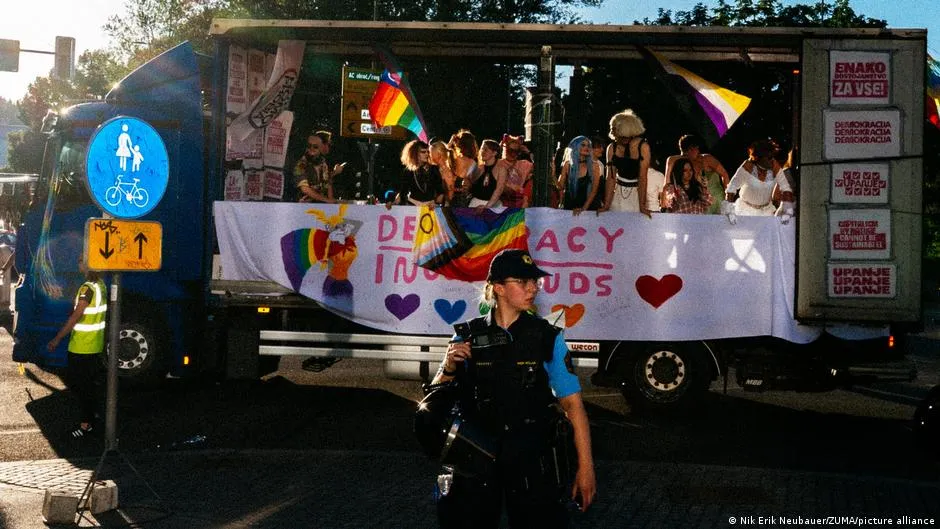
Slovenia’s new right-wing government removed the rainbow flag outside the Culture Ministry in June, one of its first moves. Decision-makers now have a clear stress test: how quickly policy shifts can turn into real-world visibility and inclusion risks.
One of the first moves by Slovenia’s new right-wing government in June was to remove the rainbow flag outside the Culture Ministry. It is a small object in physical size. But it is not small in meaning. As Pride Month draws to a close, Deutsche Welle is surveying what that kind of change signals for Slovenia’s LGBTQ+ community, especially for people who already feel invisible.
This is the core of why it matters to leaders and boards, not just activists: the flag was not just decor. It was a public cue placed at a government building. When it comes down, the message can travel farther than any formal statement, reaching employees, visitors, and local communities with a single, immediate visual. That is exactly the kind of symbolic governance move that can raise questions about whether the state will protect visibility, dignity, and equal treatment in practice.
Pride Month is often treated like a seasonal moment. In reality, the LGBTQ+ experience of visibility, or the lack of it, is continuous. Deutsche Welle’s framing, that many LGBTQ+ people understand “just what it means” to feel invisible, connects the July sun and June politics to something daily: whether people believe public institutions see them and stand with them. When governments change course, those beliefs can shift quickly too, and the harm can be hard to reverse.
For decision-makers, there is also the governance angle. A new government coming into power in June and acting on a visible culture-site symbol early is a signal about priorities. Removing a rainbow flag outside a Culture Ministry suggests that cultural messaging, state narratives, and public norms are being actively renegotiated at the start of the administration. In board terms, think of it as an early risk indicator: when leadership uses “soft” levers like public symbolism, it often foreshadows broader policy and enforcement questions that affect how organizations must operate.
The Culture Ministry setting matters. Culture portfolios typically sit at the intersection of identity, public speech, education, heritage, and media. Even if the immediate action is symbolic, the jurisdiction signals a willingness to influence how culture is presented and celebrated, including what is included in the public mainstream. That can have second-order implications for cultural institutions, municipal partners, and any organizations that rely on stable relationships with government entities.
There is also the employee and workplace implication. LGBTQ+ visibility is not only about public spaces. It shapes whether people feel safe to be themselves at work, whether managers interpret inclusion policies consistently, and whether HR can do its job without political whiplash. When a public-facing government symbol is removed, internal culture often follows. Leaders in other sectors, from hospitality to tech to education, can see the pattern: public signals change private behavior, sometimes faster than formal HR updates.
Finally, there is the question of trust. When Pride draws near its end, the evaluation does not pause until next year. Deutsche Welle’s survey of the situation emphasizes that what happens during Pride is a lens on a longer struggle for visibility. For executives, the strategic stake is legitimacy and continuity. If public institutions communicate exclusion through symbolic acts, it can affect everything from partnerships to talent retention to community goodwill. And if organizations in Slovenia, or elsewhere, are monitoring similar developments, this is a reminder that governance is not abstract. It shows up on building fronts, in headlines, and in how people read the state.
In short, one early June action, removing the rainbow flag outside the Culture Ministry, functions as a real-time test of how a government wants to define public belonging. As Pride Month closes, Deutsche Welle’s focus on invisibility is a warning that symbolism can become a lived experience. For peers and decision-makers, the question is not whether a flag matters. It is whether your systems, partners, and policies are resilient when public signals move.
This story's Key Insights and Take-aways are locked.
Create a free account to unlock Executive Actions for one credit.
Register to UnlockAlways free for Executives Club members. Join the Club
More in Politics
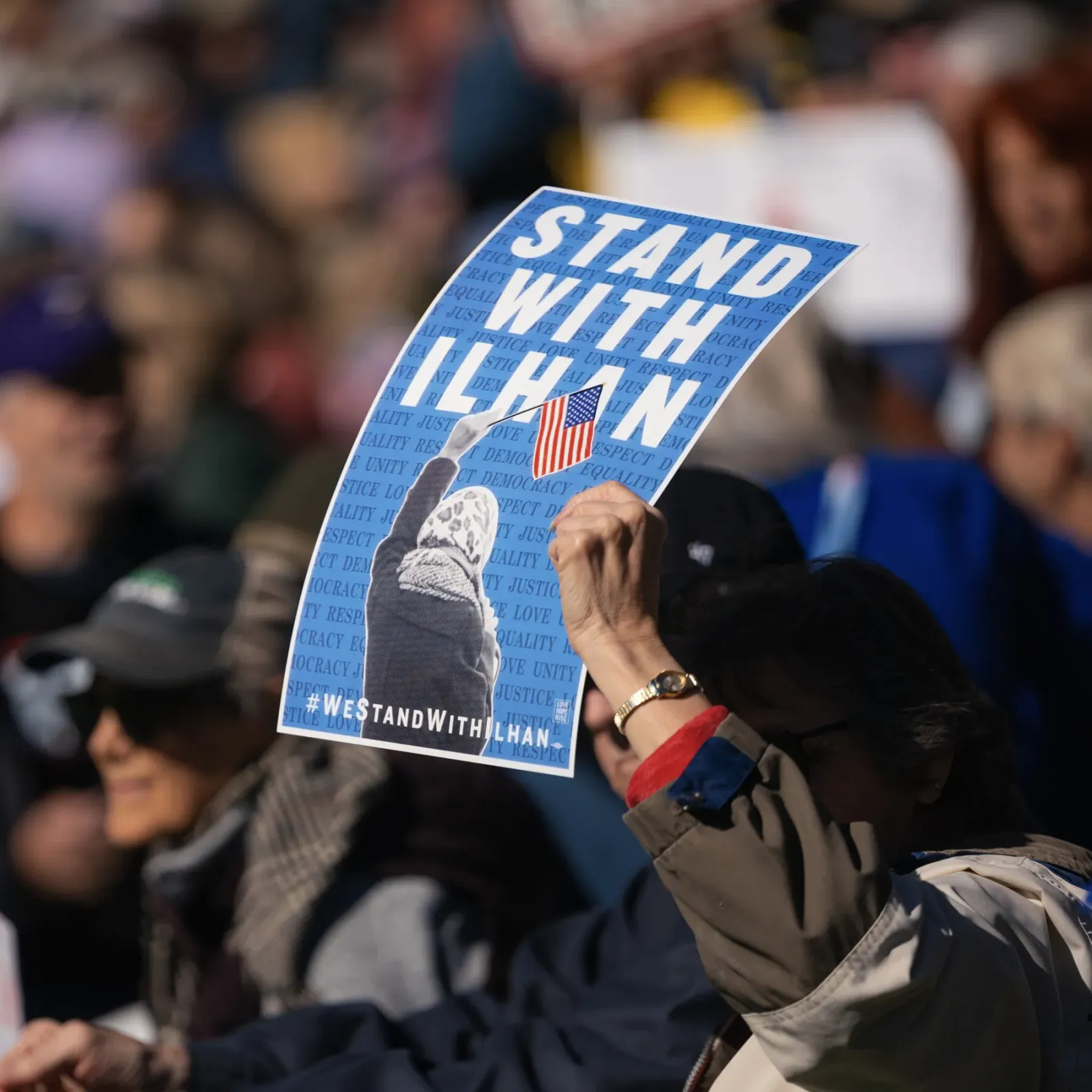
Obama Defends Ilhan Omar After Agents Search Her Home in Trump Inquiry
The former president's intervention raises the stakes in a federal probe into immigration paperwork that has put a prominent progressive lawmaker in the crosshairs.

Blair-era minister: cut welfare to fund youth job support
Alan Milburn's call for welfare cuts to fund employment support opens a Labour fight over benefits and the Neet crisis.

Hot September CPI: energy costs surge, voters feel the squeeze before midterms
The latest inflation print lands as Trump campaigns for GOP control of Congress, putting cost-of-living worries at the center of the midterm fight.