
Sobyanin calls Kudrinskaya Square blast a “brutal terror attack,” but questions linger
Moscow Mayor Sergei Sobyanin promises punishment after the deadly restaurant explosion, while uncertainty remains around what exactly happened.
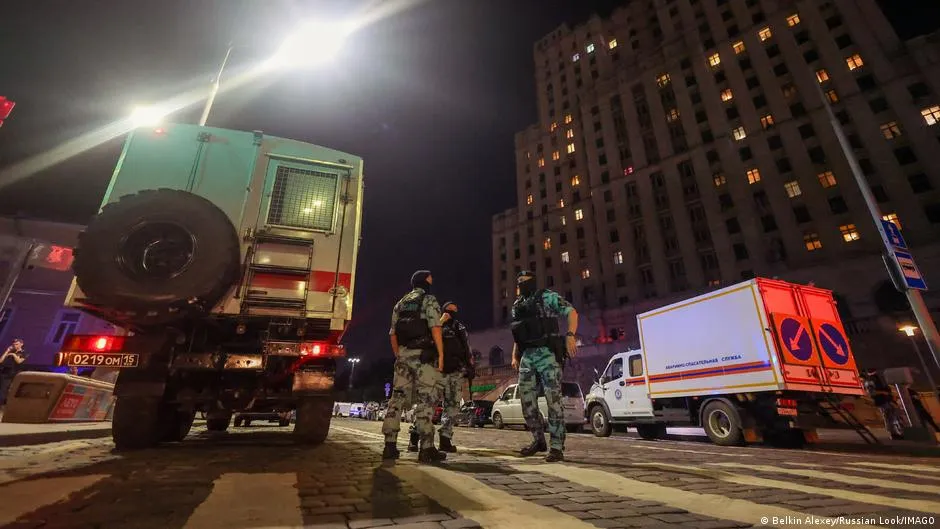
Moscow Mayor Sergei Sobyanin said the deadly explosion outside an upscale Moscow restaurant at Kudrinskaya Square was a “brutal terror attack.” For decision-makers, the key consequence is immediate security and governance pressure, plus lingering uncertainty that can reshape risk assumptions quickly.
A deadly explosion outside an upscale Moscow restaurant at Kudrinskaya Square was labeled a “brutal terror attack” by Moscow Mayor Sergei Sobyanin, who also promised that the perpetrators would be punished. Those two lines matter because they set the official frame for everything that comes next: the investigation, the public messaging, and how authorities and institutions around Moscow interpret risk.
Sobyanin’s statement is direct on the intent and the expected outcome. Calling it a “brutal terror attack” does not just describe what happened; it signals the type of threat authorities believe they are dealing with and that the response will be oriented around counterterror enforcement and accountability. His promise that those responsible will be punished adds a governance signal too, implying escalation beyond routine incident management.
But the mayor’s certainty does not answer the most important business-adjacent question: what happened, precisely, and what it means for safety planning going forward. The source is clear that “many questions remain.” In the first chaotic hours after any high-casualty incident in a major city, ambiguity is not a footnote. It can affect everything from how private operators tighten controls to how public entities allocate resources, and it can move markets and reputations even before definitive facts are known.
For executives, the operational reality is that an attack narrative changes incentives. When leaders adopt a terrorism frame, security measures typically intensify, sometimes rapidly and sometimes unevenly. Hotels, restaurants, malls, event venues, and transportation hubs often respond with policy updates that can be costly and disruptive: more screening, more staffing, more controlled access, and more emphasis on threat reporting. Even if a particular venue is not the same as the Kudrinskaya Square location, the “outside an upscale restaurant” detail can still ripple across an ecosystem that sells high-touch experiences.
There is also a regulatory and compliance angle, even when the immediate source is political. After incidents framed as terror attacks, authorities often tighten requirements and scrutiny around surveillance, emergency preparedness, and coordination between private security and public responders. The exact contours of any new measures are not provided in the source, so we cannot claim specific regulations were changed. Still, the pattern is familiar in crisis management: official language tends to accelerate the pace of enforcement activity, because regulators and oversight bodies do not want to look unprepared if another event occurs.
That uncertainty, the “many questions remain” part, can create a second-order governance problem: decision-makers must act without perfect information. Boards and executive teams typically want to distinguish between what is confirmed and what is merely suspected. Yet they also have a duty to reduce exposure now. This tension can show up in budgets, vendor decisions, and internal controls. It can also show up in how leadership communicates with employees, customers, and partners, because fear spreads faster than facts.
There is another layer for investors and operators: reputational risk and continuity risk. When a city’s mayor uses language like “brutal terror attack,” that phrase becomes part of the public record. Even as investigations progress, the label can influence perceptions of safety in neighborhoods, sectors, and property assets. Demand and foot traffic can shift. Event calendars can get adjusted. Insurance conversations can heat up. And in markets where consumer confidence is already fragile, even brief periods of uncertainty can have disproportionate effects.
Strategically, peers in similar roles should treat this as a governance-and-risk stress test. Sobyanin has promised punishment, and that implies a trajectory toward accountability. Executives should be thinking about readiness for the next steps that follow such statements: enhanced coordination with authorities, review of incident response protocols, and a clear internal process for updating security posture as new information emerges. In other words, the headline is not just about an explosion. It is about how a city, an administration, and the institutions operating within it will interpret the threat and respond in the days after, while questions remain unanswered.
This story's Key Insights and Take-aways are locked.
Create a free account to unlock Executive Actions for one credit.
Register to UnlockAlways free for Executives Club members. Join the Club
More in Politics
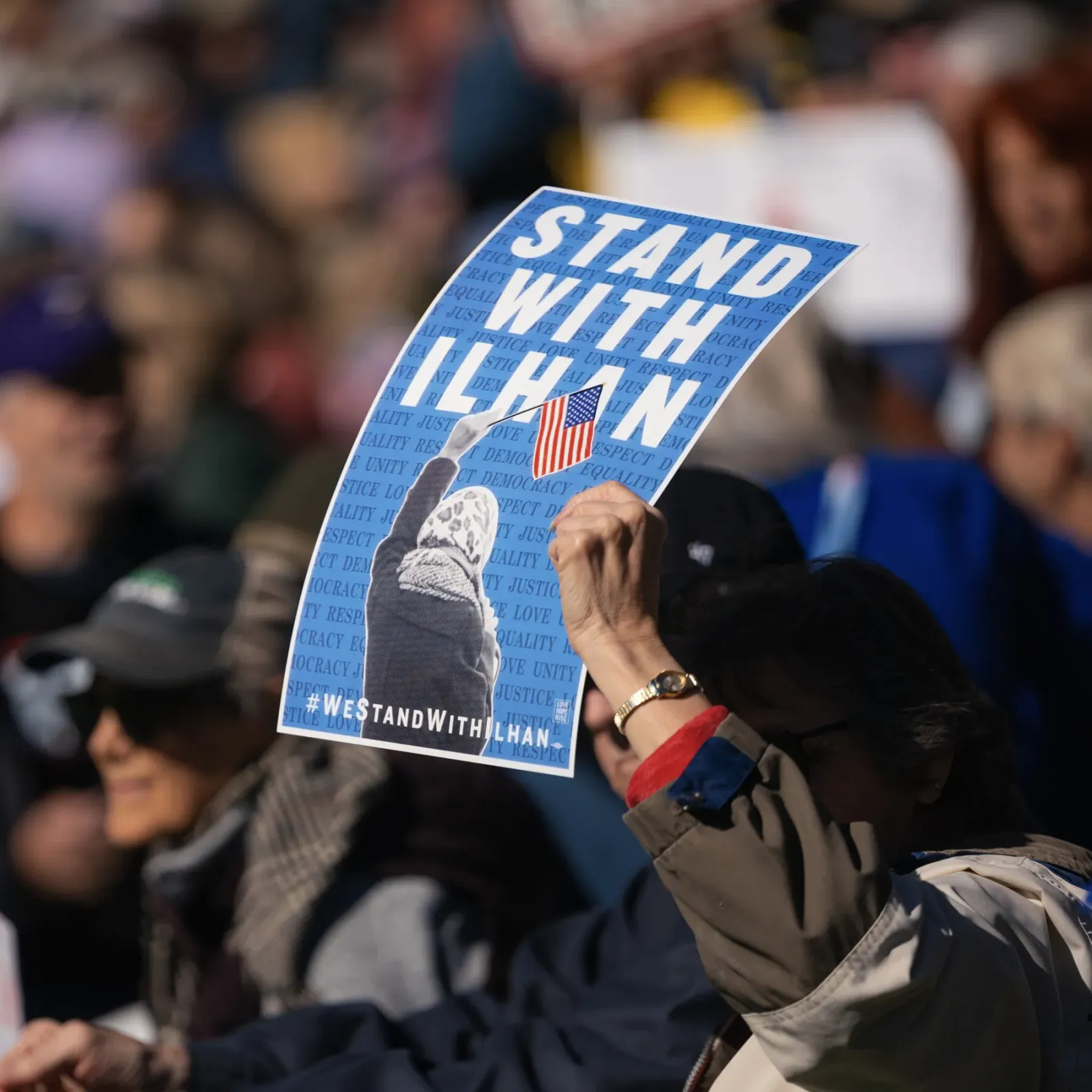
Obama Defends Ilhan Omar After Agents Search Her Home in Trump Inquiry
The former president's intervention raises the stakes in a federal probe into immigration paperwork that has put a prominent progressive lawmaker in the crosshairs.

Blair-era minister: cut welfare to fund youth job support
Alan Milburn's call for welfare cuts to fund employment support opens a Labour fight over benefits and the Neet crisis.
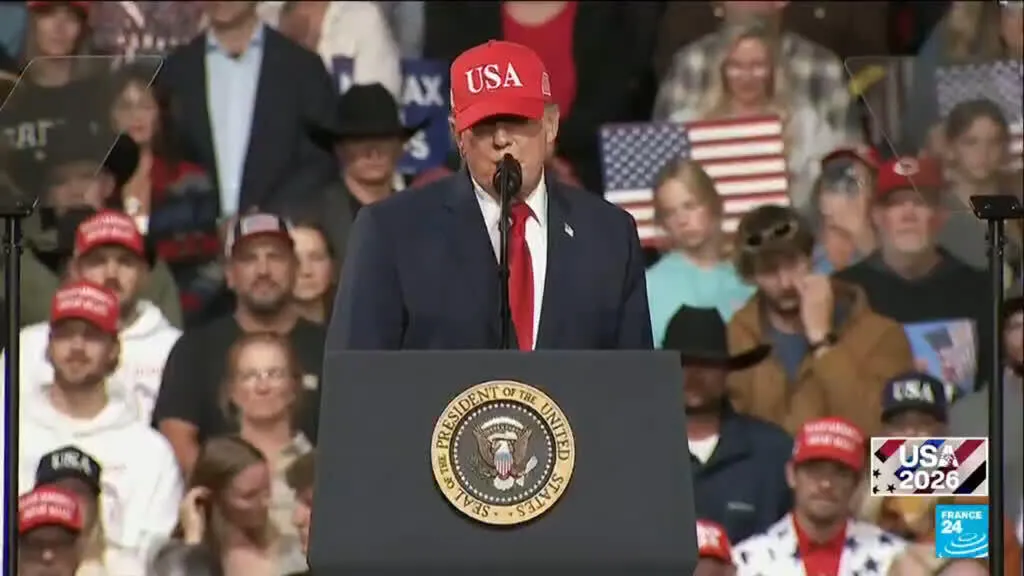
Hot September CPI: energy costs surge, voters feel the squeeze before midterms
The latest inflation print lands as Trump campaigns for GOP control of Congress, putting cost-of-living worries at the center of the midterm fight.