

SoftBank raises $11B in bonds to fund its next OpenAI payment
The Japanese conglomerate is tapping debt markets to meet its commitments to OpenAI, revealing the capital intensity of its AI bet.

SoftBank Group has launched a roughly $11 billion bond sale to cover its next payment to OpenAI, according to term sheets reported by Reuters and Bloomberg. For decision-makers, this underscores how even the largest tech investors are turning to leverage to finance AI partnerships.
SoftBank Group has launched a bond sale of roughly $11 billion to cover its next payment to OpenAI, according to term sheets reported separately by Reuters and Bloomberg on Monday. The deal breaks down into $10 billion in senior unsecured dollar notes and an additional €1 billion in euros, spanning five tranches. The dollar notes come in maturities of three and a half, five and a half, and seven years - a structure that gives SoftBank flexibility while signaling to creditors the scale of its ongoing commitment to the AI leader.
This is not a speculative move. SoftBank has been one of OpenAI's most aggressive backers, committing billions to fund the company's compute-heavy expansion and its shift toward a capped-profit model. The bond sale is a direct response to a scheduled payment obligation, meaning the money is already spoken for. That clarity makes the deal less risky for bondholders than a general corporate refinancing, but it also highlights how deeply SoftBank's balance sheet is now tied to the fortunes of OpenAI - and to the broader AI arms race that has consumed the technology sector over the past two years.
The five-tranche structure is worth a closer look. By splitting the raise across currencies and maturities, SoftBank is diversifying its investor base and managing its interest-rate exposure. The dollar tranches target U.S. institutional investors, while the euro tranche taps European demand for high-yield corporate debt. This is a standard technique for large issuers, but the size of the raise - the largest SoftBank has executed in recent memory - tells you that the company is betting big on its AI portfolio continuing to deliver returns. The senior unsecured nature of the notes means bondholders are relying on SoftBank's overall creditworthiness rather than specific collateral, a vote of confidence in the conglomerate's cash flow from its existing holdings, including stakes in Arm, Alibaba, and a host of other tech companies.
For context, SoftBank has historically used a mix of asset sales, bank loans, and bond issuance to fund its most ambitious bets. The company sold a significant portion of its Alibaba stake over the past few years, but that well is running dry. The bond market now becomes the primary lever for financing its OpenAI obligations without diluting existing shareholders. That is a strategic choice: borrowing at current rates, even if they are elevated, is cheaper than selling down its most valuable assets. It also keeps the Vision Fund's equity intact, which matters for the fund's future fundraising ability and for the valuations of its private portfolio companies.
The OpenAI relationship itself is unusually capital-intensive. OpenAI's compute costs are astronomical, and its partnerships with Microsoft and Oracle have already pushed billions into data centers. SoftBank's payments are part of a broader commitment to fund OpenAI's operations and infrastructure, likely tied to a multi-year agreement. The fact that SoftBank is willing to go to the bond market for this specific payment suggests the contractual terms are fixed and non-negotiable. There is no flexibility to delay or renegotiate without triggering consequences, which is why the company is borrowing rather than waiting for internal cash flows to build up.
This move also carries a signal for the rest of the tech industry. If SoftBank - one of the world's most aggressive tech investors - is leveraging up to fund AI commitments, then smaller players and even other hyperscalers may need to reconsider their own capital strategies. The bond market is pricing in SoftBank's risk, and the fact that it can raise this amount at all is a testament to its credit standing. But it also raises the stakes: a misstep in OpenAI's execution or a downturn in the AI sector could leave SoftBank holding a much larger debt load than it originally planned. Bondholders are effectively taking on a portion of that risk, and the coupon rates on these notes will reflect that assessment.
For executives and boards watching from the sidelines, the takeaway is not that AI is a bad bet - it is that the financing structure matters. SoftBank is showing how to fund a massive strategic commitment without diluting equity, but it is also demonstrating that debt markets are the new battleground for AI dominance. Companies that can issue bonds at reasonable rates will have an edge over those that must rely solely on cash reserves or equity sales. The next few quarters will reveal whether SoftBank's leverage pays off or whether it becomes a cautionary tale about the price of chasing the AI frontier. Either way, the bond sale is a clear indicator that the AI investment cycle is nowhere near cooling down.
This story's Key Insights and Take-aways are locked.
Create a free account to unlock Executive Actions for one credit.
Register to UnlockAlways free for Executives Club members. Join the Club
More in Business
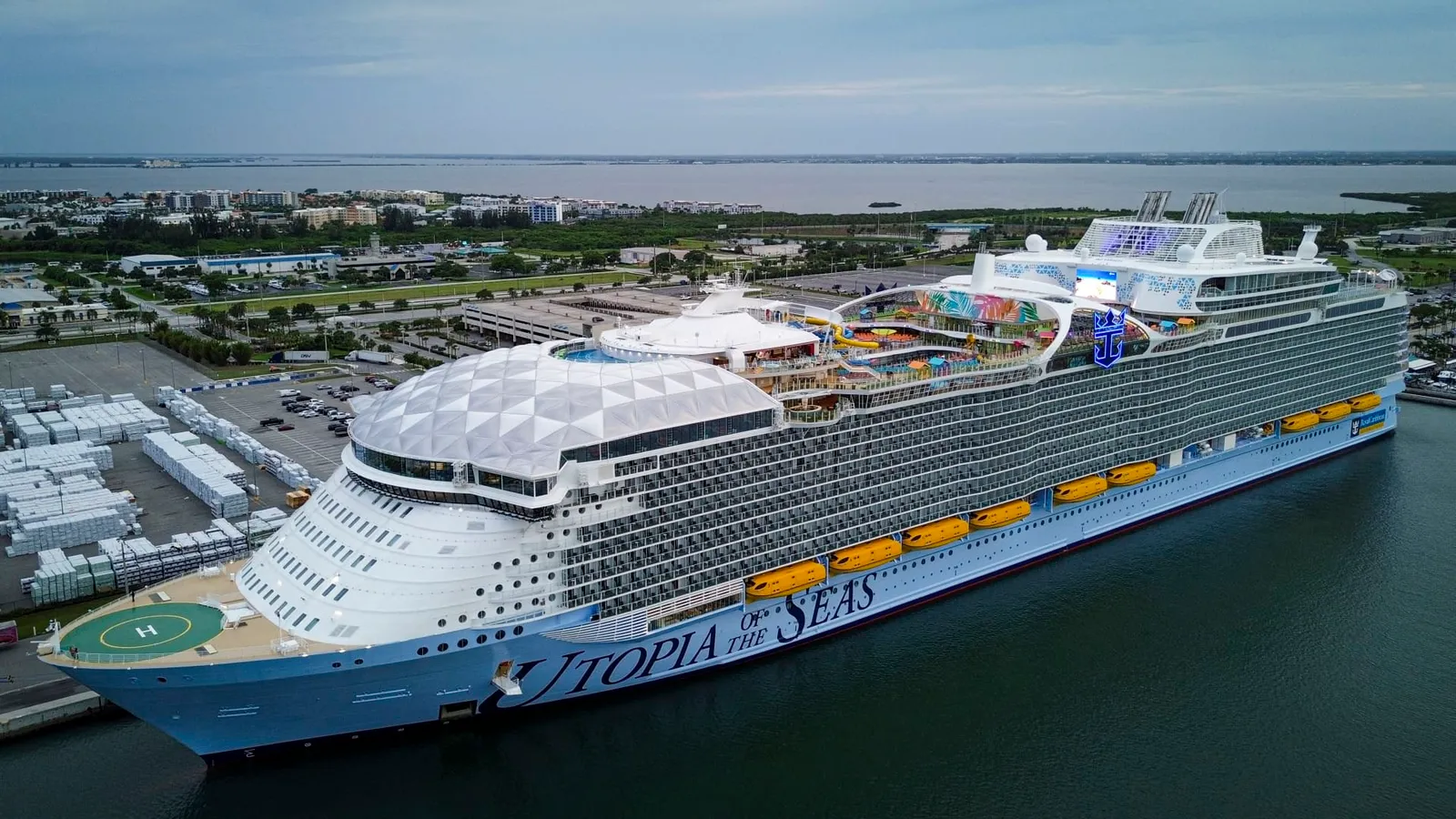
Royal Caribbean just spent $3B to own half of Sandals
The cruise giant is buying a 50% stake in the all-inclusive resort chain for $3 billion, a bet that land-based vacations are the next growth engine.

Paramount's Ellison: Merger Clearance Done, WBD Deal by Oct 1
David Ellison says the Paramount-WBD merger has full clearance after settling with state AGs, clearing the path for an October 1 close.
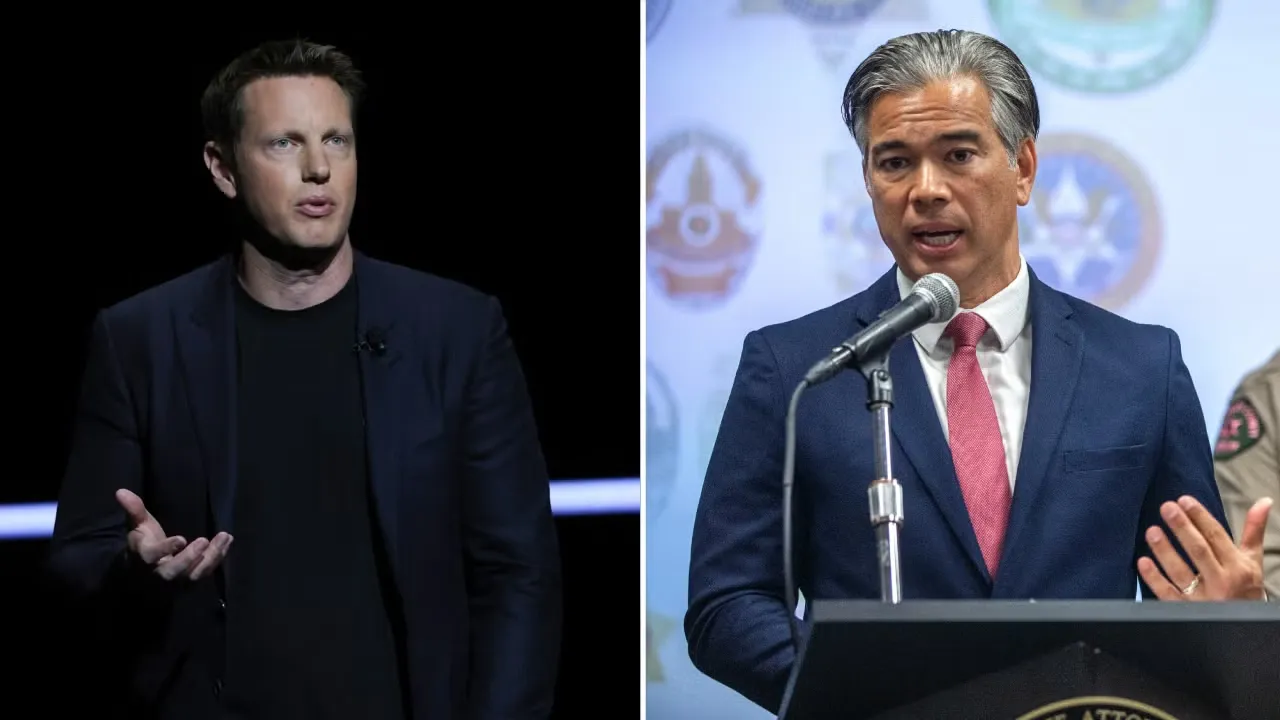
Paramount settles with 12 states, $110B Warner merger clears final hurdle
David Ellison's studio avoids a March trial and a $7M-a-day ticking fee by settling with state AGs over local job losses.