
SoftBank's mega junk-bond deal shows AI capital is getting pricier
The AI build-out has crossed into high-yield territory, and investors are demanding a bigger premium for the risk.

SoftBank is tapping the junk-bond market for a mega deal to fund its AI ambitions, signaling that the cost of capital for the AI race is rising. For executives and boards, the move marks a shift in how AI projects will be financed and priced.
SoftBank's mega junk-bond deal is the clearest sign yet that the artificial intelligence build-out has crossed into high-yield territory. According to MarketWatch, the AI race is now officially moving into the world of junk bonds, where investors expect to be paid more for taking on bigger risks. The deal, described as mega, shows that even the most aggressive tech investors are now willing to pay a premium for capital.
The shift matters because it changes the economics of the AI boom. For years, the AI build-out was fueled by cheap money from venture funds, corporate cash piles, and low-interest debt. Now, with interest rates higher and risk appetite more cautious, companies like SoftBank are turning to the junk-bond market, where borrowing costs are steeper. That means the cost of capital for AI projects is rising, and that cost will eventually be passed through to consumers, startups, and the broader economy.
SoftBank is no stranger to bold bets. The Japanese conglomerate, led by founder Masayoshi Son, has poured billions into technology companies through its Vision Fund, backing everything from ride-hailing to semiconductor design. While the source does not specify which AI projects this new debt will fund, the move fits a pattern of using aggressive financing to stay at the front of the tech curve. For context, SoftBank has also used debt before to amplify its investment firepower, though the junk-bond market is a notably riskier arena. The company's willingness to accept higher borrowing costs underscores how much it believes in the AI opportunity, and how much capital is required to compete.
Junk bonds, also known as high-yield bonds, are issued by companies with credit ratings below investment grade. Because the risk of default is higher, investors demand higher interest rates. The fact that SoftBank is willing to tap this market suggests that its AI ambitions require capital that cannot be raised through cheaper, more conventional channels. It also signals that lenders are willing to bet on the AI story, but only at a price that compensates them for the uncertainty. For investors, the deal is a test of how much risk the market is willing to absorb in the name of artificial intelligence.
The implications extend far beyond SoftBank. Every company building data centers, buying GPUs, or developing large language models is competing for the same pool of capital. As the cost of that capital rises, the bar for AI projects gets higher. Projects that made sense when money was nearly free may no longer clear the hurdle. Boards and CFOs will need to re-examine their AI spending plans with a sharper eye on return on investment. The days of 'build it and they will come' are giving way to a more disciplined approach, where every dollar of AI spending must be justified by a credible path to revenue.
There is also a broader market signal. The move into junk bonds suggests that the AI build-out is entering a new phase, one where the financial markets are starting to price in the risks of the technology. This is a natural evolution, but it comes at a delicate time. Central banks have been fighting inflation, and higher interest rates have already squeezed many tech companies. The junk-bond market is often a barometer of risk sentiment, and SoftBank's deal is a reminder that the AI race is now subject to the same financial discipline as any other capital-intensive industry. If the deal succeeds, it could open the door for other tech giants to follow suit. If it stumbles, it could signal that the market's appetite for AI risk is limited.
For executives watching from the sidelines, the lesson is clear: the era of cheap AI capital is ending. The companies that will thrive are those that can demonstrate a clear path to profitability, not just a compelling story. SoftBank's mega junk-bond deal is not just a financing event; it is a marker of how the market views the AI boom. Investors are still willing to fund the future, but they want to be paid for the risk. That is the new reality of the AI race, and it will shape which companies can afford to compete.
This story's Key Insights and Take-aways are locked.
Create a free account to unlock Executive Actions for one credit.
Register to UnlockAlways free for Executives Club members. Join the Club
More in Business
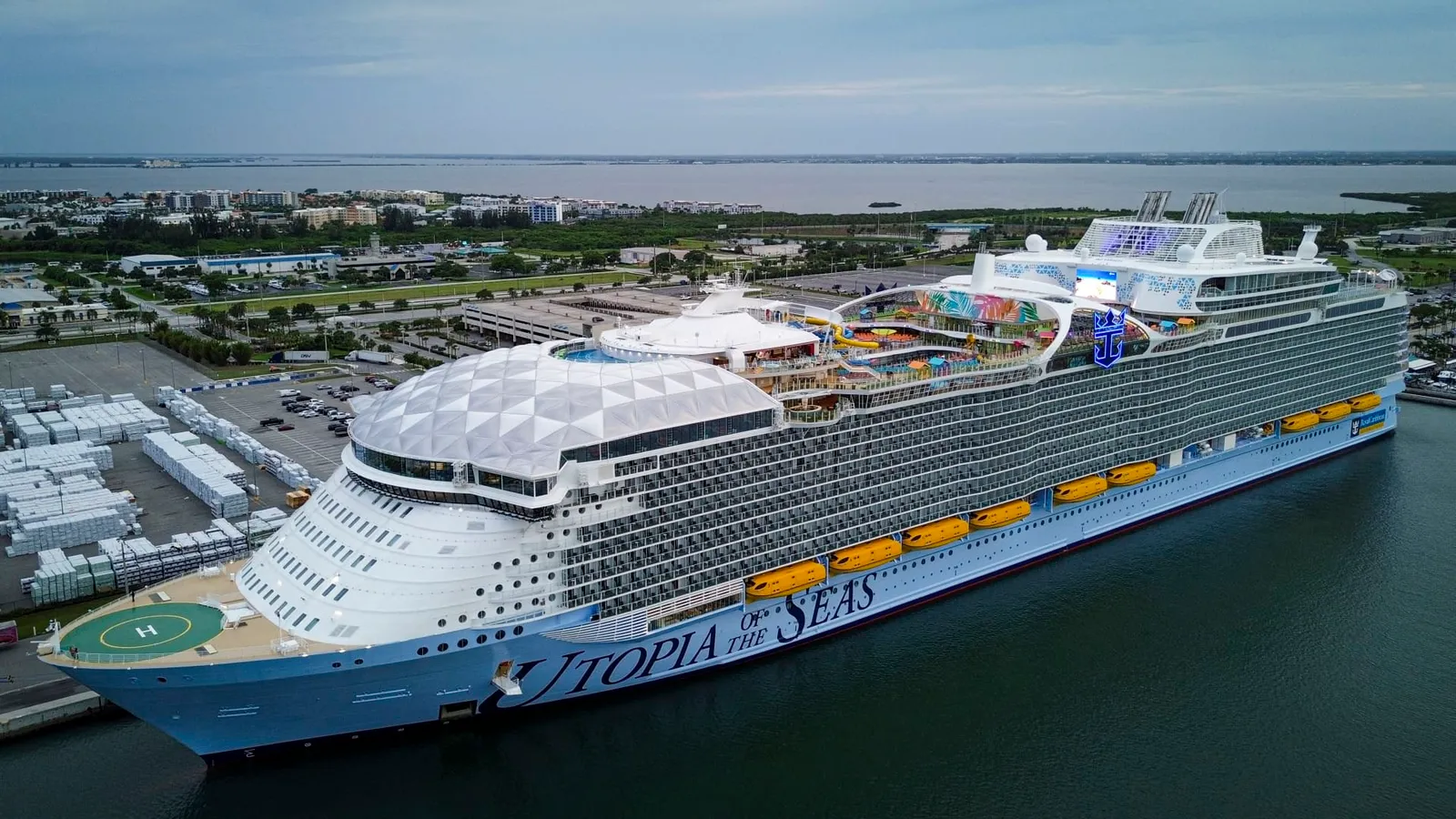
Royal Caribbean just spent $3B to own half of Sandals
The cruise giant is buying a 50% stake in the all-inclusive resort chain for $3 billion, a bet that land-based vacations are the next growth engine.

Paramount's Ellison: Merger Clearance Done, WBD Deal by Oct 1
David Ellison says the Paramount-WBD merger has full clearance after settling with state AGs, clearing the path for an October 1 close.
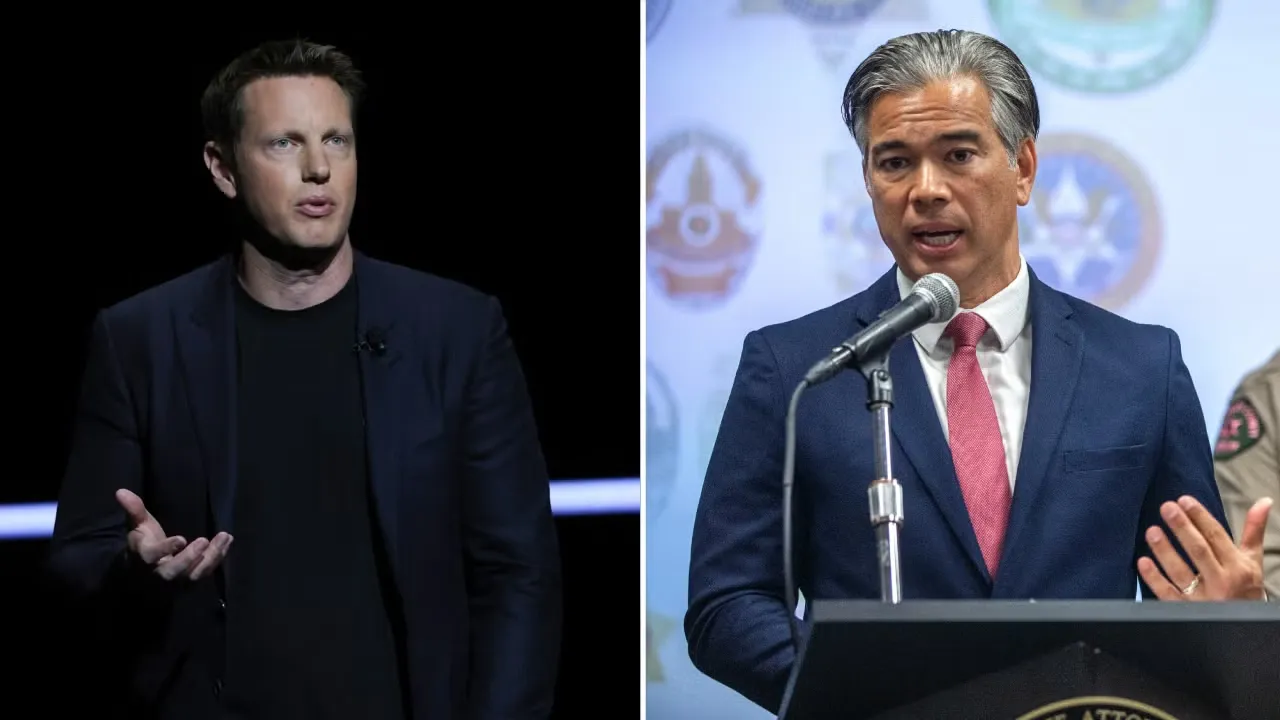
Paramount settles with 12 states, $110B Warner merger clears final hurdle
David Ellison's studio avoids a March trial and a $7M-a-day ticking fee by settling with state AGs over local job losses.