

Son says AI requires $5tn annual investment, turning SoftBank’s bet into a capital math problem
Masayoshi Son warns AI boom will need $5 trillion per year, reshaping expectations for funding, infrastructure, and returns.

SoftBank founder and CEO Masayoshi Son says the AI boom will require $5tn in annual investment. For decision-makers, that framing raises the bar for capital planning, risk, and who can realistically fund the next compute wave.
Masayoshi Son, SoftBank's founder and CEO, is putting a huge price tag on the AI boom: he says it will require $5tn in annual investment. That number is not a throwaway headline. It is a direct statement about the scale of what companies, governments, and investors will need to build, buy, and back just to keep AI advancing at a pace people now treat as “normal.”
Son’s point also comes with a clear implication for anyone allocating capital. If AI truly needs $5 trillion a year, the conversation stops being “who has the best model” and becomes “who can finance the compute and energy stack fast enough to stay in the game.” That shifts board-level focus toward capex planning, supplier capacity, power availability, and the durability of unit economics across multiple years. In other words, the AI boom becomes a funding cycle, not just a product cycle.
To understand why Son’s $5tn framing matters, you have to look at how AI demand translates into real-world spending. Training and inference require chips, data center capacity, networking, storage, software tooling, and increasingly, electricity and cooling. Even if investors debate the exact total, the direction Son is pointing is familiar to anyone who has watched the last cycle: when demand for compute spikes, spending concentrates. It goes toward the infrastructure providers, the cloud operators, the chip supply chain, and the firms building the data center buildout. That concentration can create outsized winners, but it also makes the whole system sensitive to bottlenecks like manufacturing lead times, power constraints, and regulatory scrutiny.
This is where “annual investment” becomes more than a phrase. Investment schedules are sticky. Once companies commit to data center leases, chip supply arrangements, and long-term power agreements, they cannot quickly dial spending down without cost. Boards tend to prefer predictability, and they also tend to get nervous when forecasts sound like they depend on perfect execution at global scale. Son is effectively telling decision-makers to assume that the AI boom is going to be capital hungry for a long time, not a short burst that pays off immediately.
There is also a governance angle. When a founder and CEO like Son frames an industry-wide number this large, it influences internal planning and external expectations at the same time. Investors hear it. Partners hear it. Competitors hear it. That can affect how quickly teams recruit, what kinds of deals they pursue, and how aggressively they structure partnerships with infrastructure suppliers. In a sector where speed is often the competitive edge, a bullish capital narrative can accelerate commitments. But it can also increase the risk that firms overextend if adoption or monetization lags.
On the regulatory side, AI infrastructure is increasingly a policy topic even when the product is marketed as “technology.” While the source you provided does not mention a specific regulator or regulatory action, it is still useful to note why regulators care about the scale Son is discussing. Massive buildouts raise land-use questions, energy and grid capacity issues, emissions debates, procurement rules, and cybersecurity concerns. That means even if the market wants $5tn in annual investment, permission slips, compliance costs, and permitting timelines can shape who gets to move first and who gets stuck waiting.
For companies outside the obvious compute layer, the second-order effect is strategic. If the winners are the ones that can fund and operationalize infrastructure, then adjacent businesses that depend on AI also need to think about constraints in their supply chain. That might mean pricing models that reflect infrastructure realities, go-to-market plans that account for availability of compute and talent, and partnerships that reduce capital intensity. Boards should treat Son’s statement as a reminder that AI growth is constrained by physical systems as much as by algorithms.
The takeaway for peers is straightforward: whether $5tn is the exact figure or not, Son is setting an expectation that AI will demand sustained, enormous investment. For decision-makers, that means underwriting strategies around funding duration, cost control under volatility, and the ability to scale responsibly with infrastructure, energy, and compliance all in the same picture. In a world where “AI momentum” often looks like a software story, Son is insisting it is also a balance sheet story.
This story's Key Insights and Take-aways are locked.
Create a free account to unlock Executive Actions for one credit.
Register to UnlockAlways free for Executives Club members. Join the Club
More in Business
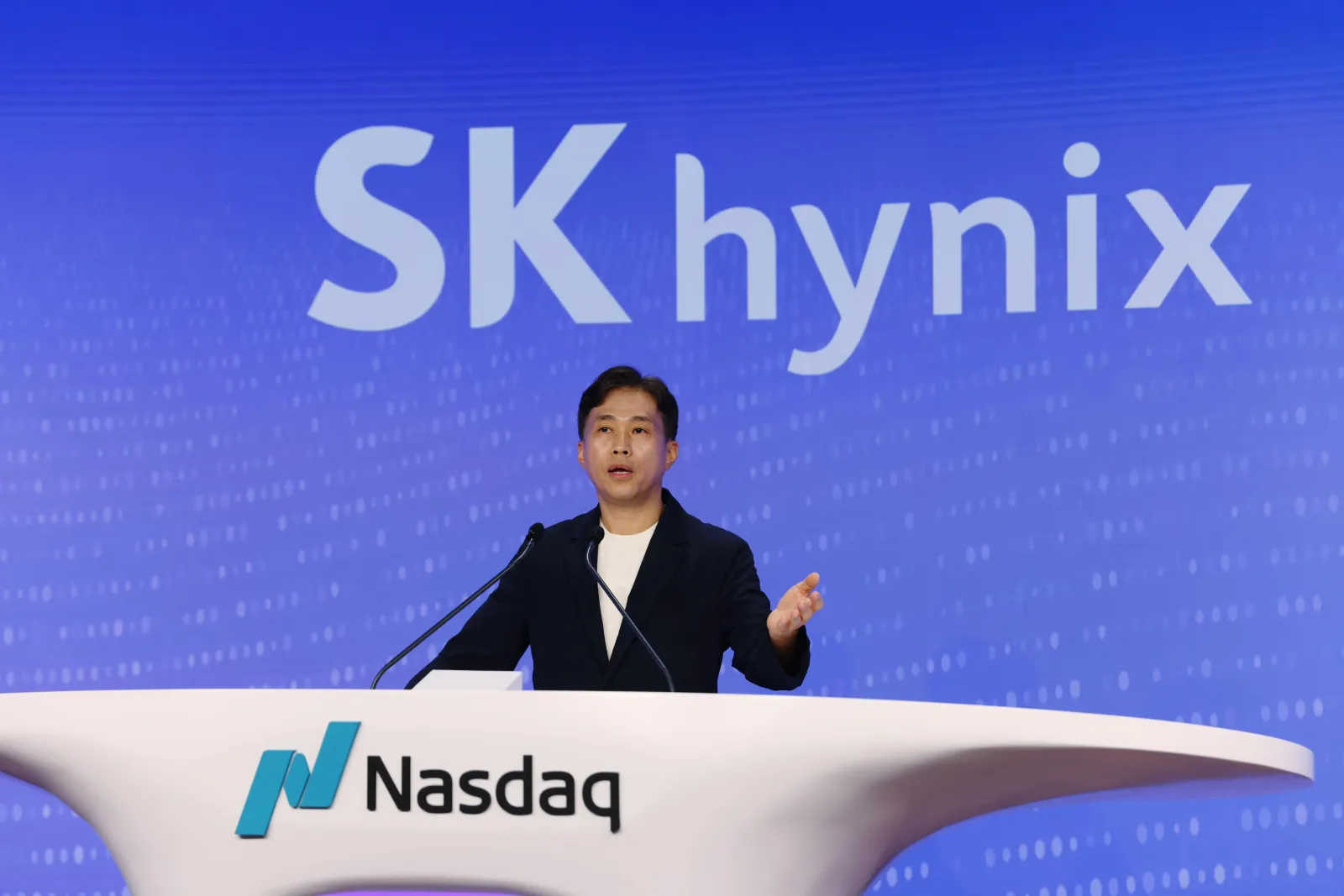
SK Hynix opens at $170, raises $26.5B, and tops foreign IPO records
In Friday's Wall Street debut, SK Hynix turns AI RAM demand into a $26.5B fundraising moment that rewrites comps.
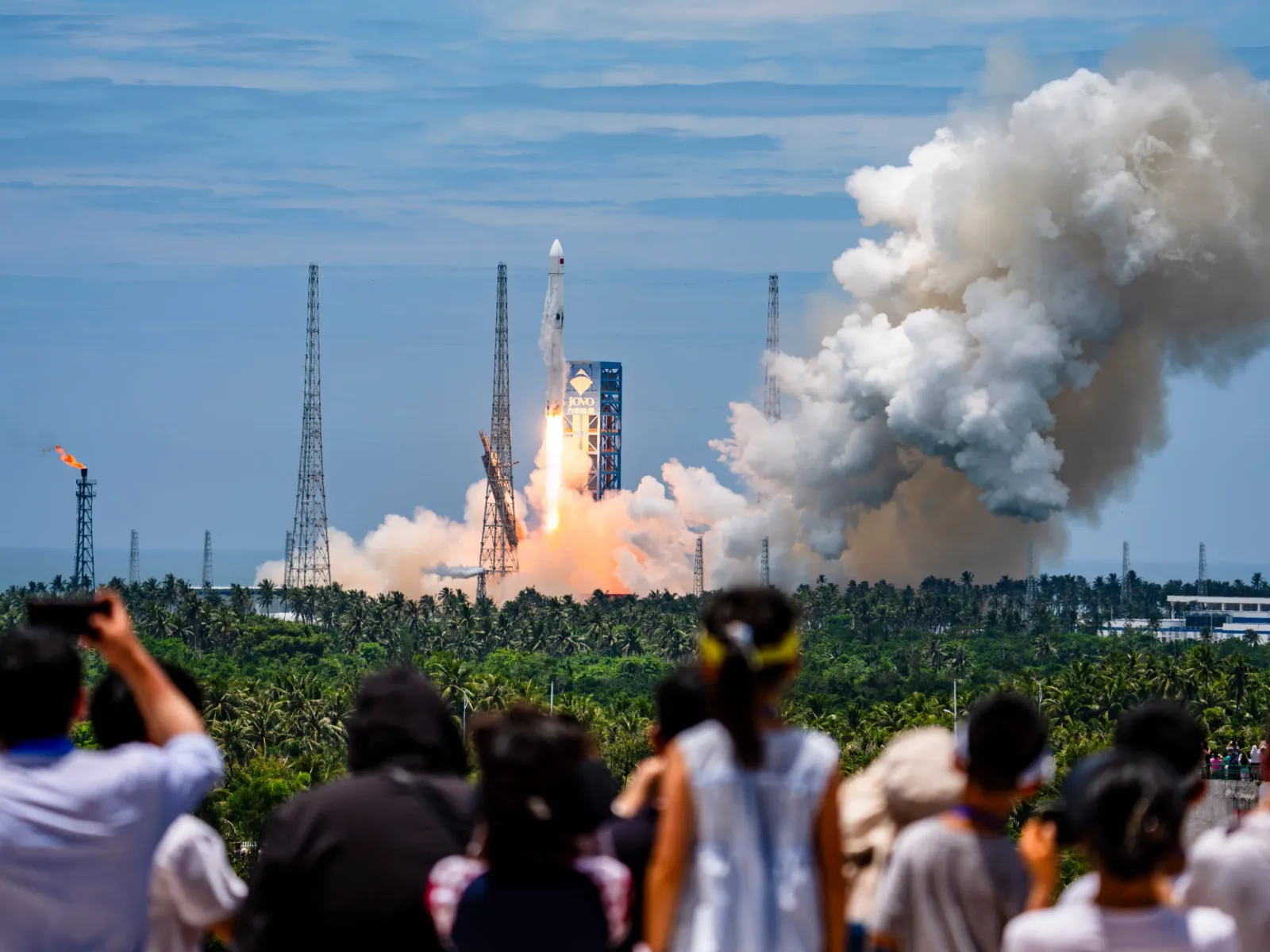
China lands a reusable Long March booster, a first that matches SpaceX and Blue Origin
A barge landing and net-based recovery move China from theory to proof, reshaping the reusability race and satellite ambitions.

AstraZeneca $27B wipeout as Wainua late trial misses cardiovascular target
A failed late-stage heart study triggered a swift market punishment, forcing investors and boards to reset timelines and risk.