
Sonam Wangchuk ends 26-day hunger strike, but “Cockroach” protesters demand education minister resigns
A hunger strike stops, but the pressure ramps up, with youth protesters vowing to keep going until a resignation.
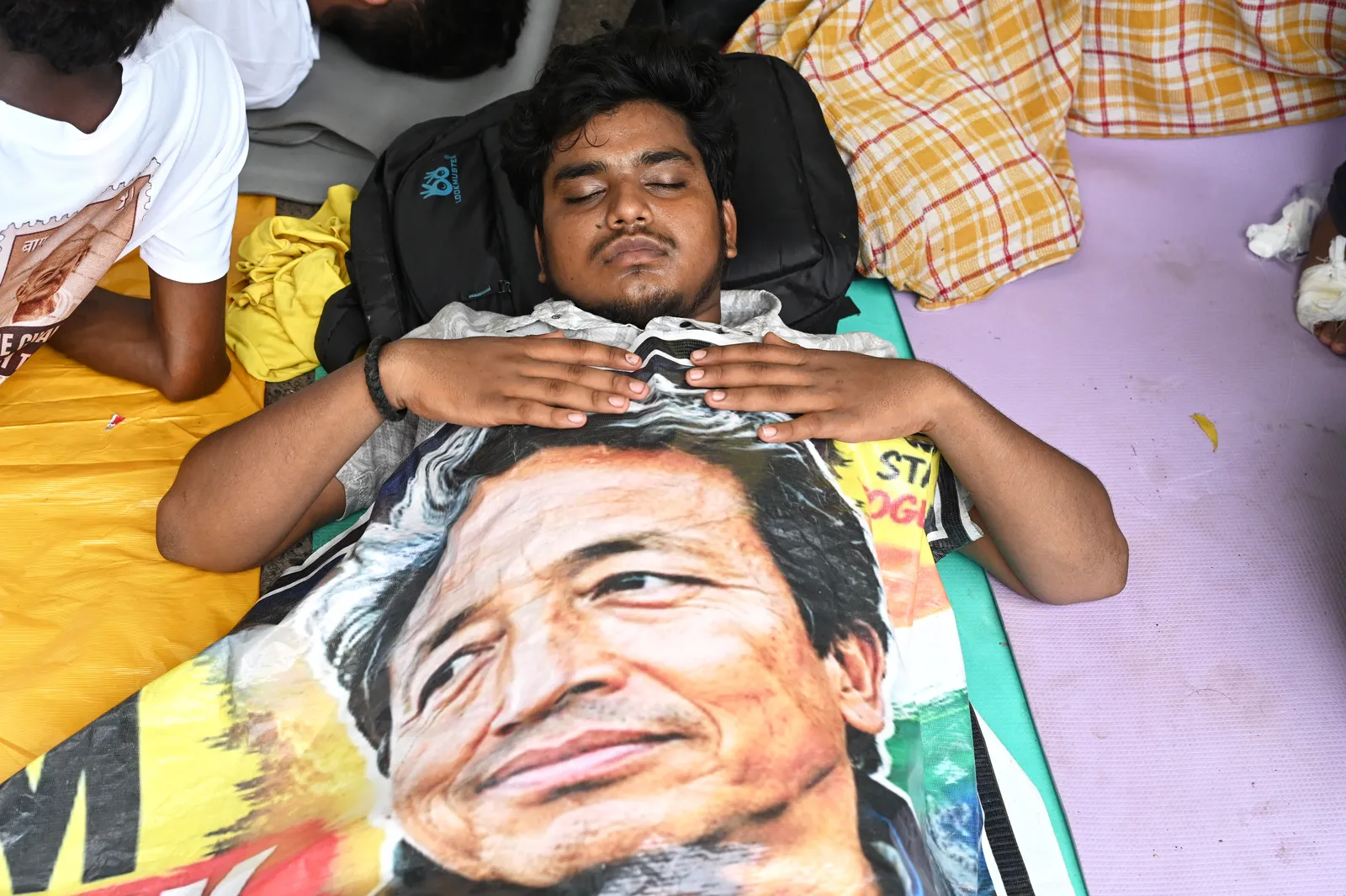
Indian activist Sonam Wangchuk ended a 26-day hunger strike on Friday that helped galvanize a youth movement into one of India’s largest protests in recent years. Protesters vowed to continue until the education minister resigns, raising near-term political and policy pressure.
Sonam Wangchuk ended his 26-day hunger strike on Friday, a move that signaled both a pause in his personal risk and a turning point for a youth movement that has become one of India’s largest protests in recent years. The stakes were never just about the days he went without food. The strike helped galvanize momentum and attention. Now, with it over, the real question is whether the movement loses steam or converts urgency into leverage.
Wangchuk’s hunger strike may have ended, but demonstrators said they will not. They vowed to continue until the education minister resigns. That is the key detail executives and decision-makers should care about: the protest did not end with the dramatic headline act. It pivoted to an explicit governance demand, tying public pressure to personnel change at the top of the education portfolio. In political systems where ministries are closely associated with specific outcomes, a resignation request is a direct attempt to force accountability, not just debate.
To understand why this matters beyond street-level headlines, look at how large protest movements in democratic systems often operate. They start with a spark, then they scale through coordination, messaging, and visible sacrifice. Hunger strikes are particularly potent because they concentrate attention and compress timelines. When the strike ends, the movement has a fork in the road: it can lose focus, or it can turn the attention into an organizing asset. Here, the second option seems to be winning in the immediate term because protesters attached their continuation to a specific official action, the education minister stepping down.
That specificity is strategically important. Resignation demands are harder to ignore than abstract calls for “reform,” because resignations require a ministerial chain of command to respond. If a government resists, protesters can portray it as stonewalling. If a government complies, it acknowledges the movement’s framing. Either way, the political cost of inaction rises quickly once the public dispute centers on a named role rather than broad grievances. For boards, cabinet-level stakeholders, and policy-adjacent leaders, the second-order implication is that the education space becomes more volatile, more scrutinized, and more likely to see abrupt policy adjustments or administrative reshuffles.
There is also a communications and incentives dimension. When a movement grows large enough to become one of the biggest protests in recent years, the center of gravity shifts. Officials must decide whether to treat the event as a temporary disruption or a legitimacy test. Protesters, meanwhile, have to decide whether they can maintain participation without the hunger strike’s daily escalation. By announcing they will press on until the education minister resigns, demonstrators are attempting to keep the narrative simple and measurable. Instead of “we hope for change,” it becomes “we want X person to resign.” That kind of clarity can sustain engagement and media coverage.
Executives in unrelated sectors should still pay attention because education policy is not isolated. Education is a downstream driver of labor markets, skills pipelines, and long-term human capital. Even when protests focus on political accountability, the policy response can spill into budgets, curriculum governance, admissions systems, and public-sector implementation. And when protests become prominent enough to force a ministerial reckoning, bureaucratic timelines can tighten. Agencies may accelerate plans, delay controversial moves, or reframe proposals to align with whatever signal leadership sends after the resignation demand.
There is another governance layer too. Protests that demand the resignation of a specific minister can trigger internal questions among political leadership about whether that portfolio is underperforming, misaligned with public expectations, or simply too politically exposed. That internal pressure can spill into staffing choices and messaging discipline across related ministries. In corporate terms, think of it like when a board hears sustained investor pressure on a single metric. Even if the underlying operational issues are broader, leadership must decide how to respond to the one number everyone is watching. Here, the “number” is the education minister’s position.
So while Wangchuk ended a 26-day hunger strike on Friday, the movement he helped galvanize is still setting conditions. Demonstrators vowed to continue until the education minister resigns, which means the political question is now less about the protester’s body and more about the minister’s accountability. For decision-makers, the strategic stake is straightforward: when a youth-led movement reaches that scale and turns sacrifice into a personnel demand, policy friction does not dissipate when the protester stops. It reorganizes. The next chapter will be defined by whether the education ministry can offer a credible response without escalating the standoff, or whether the resignation demand reshapes the leadership landscape it is targeting.
This story's Key Insights and Take-aways are locked.
Create a free account to unlock Executive Actions for one credit.
Register to UnlockAlways free for Executives Club members. Join the Club
More in Politics
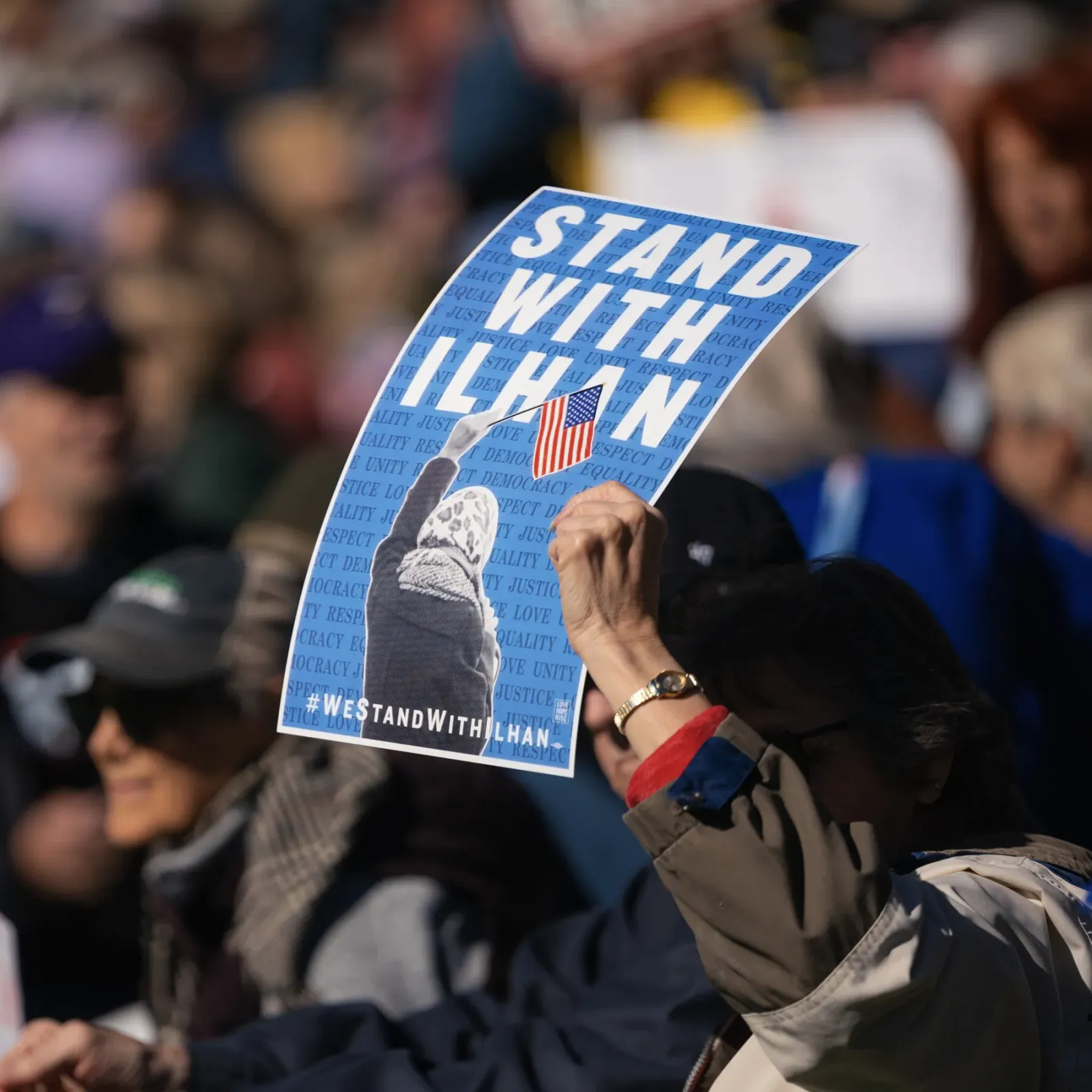
Obama Defends Ilhan Omar After Agents Search Her Home in Trump Inquiry
The former president's intervention raises the stakes in a federal probe into immigration paperwork that has put a prominent progressive lawmaker in the crosshairs.

Blair-era minister: cut welfare to fund youth job support
Alan Milburn's call for welfare cuts to fund employment support opens a Labour fight over benefits and the Neet crisis.
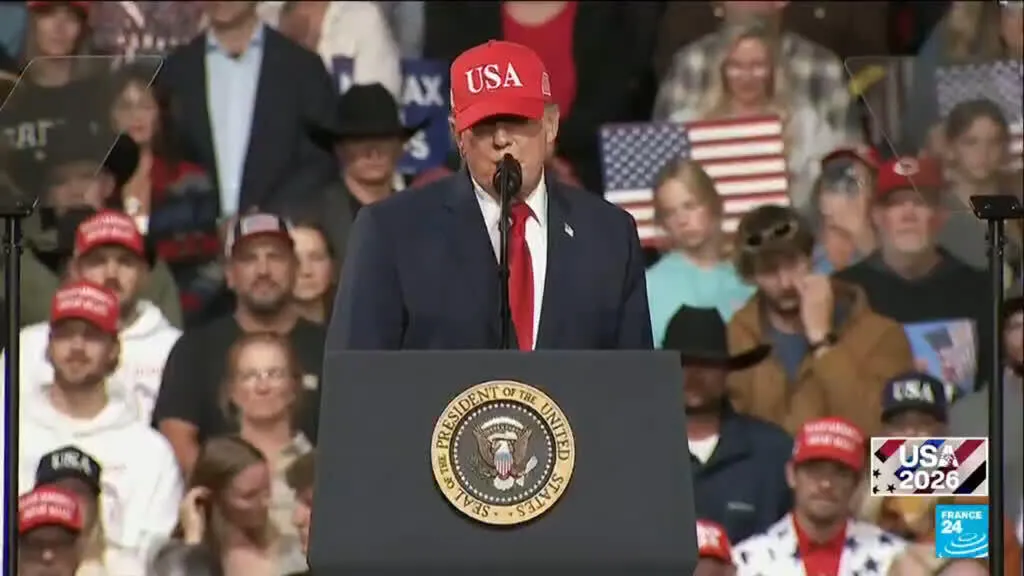
Hot September CPI: energy costs surge, voters feel the squeeze before midterms
The latest inflation print lands as Trump campaigns for GOP control of Congress, putting cost-of-living worries at the center of the midterm fight.