
Sony opens pre-orders for three new Walkmans priced in the thousands
Sony is asking four figures for a device your phone arguably already replaces, making this launch a live test of whether heritage branding and hi-res audio can still carry a premium price.
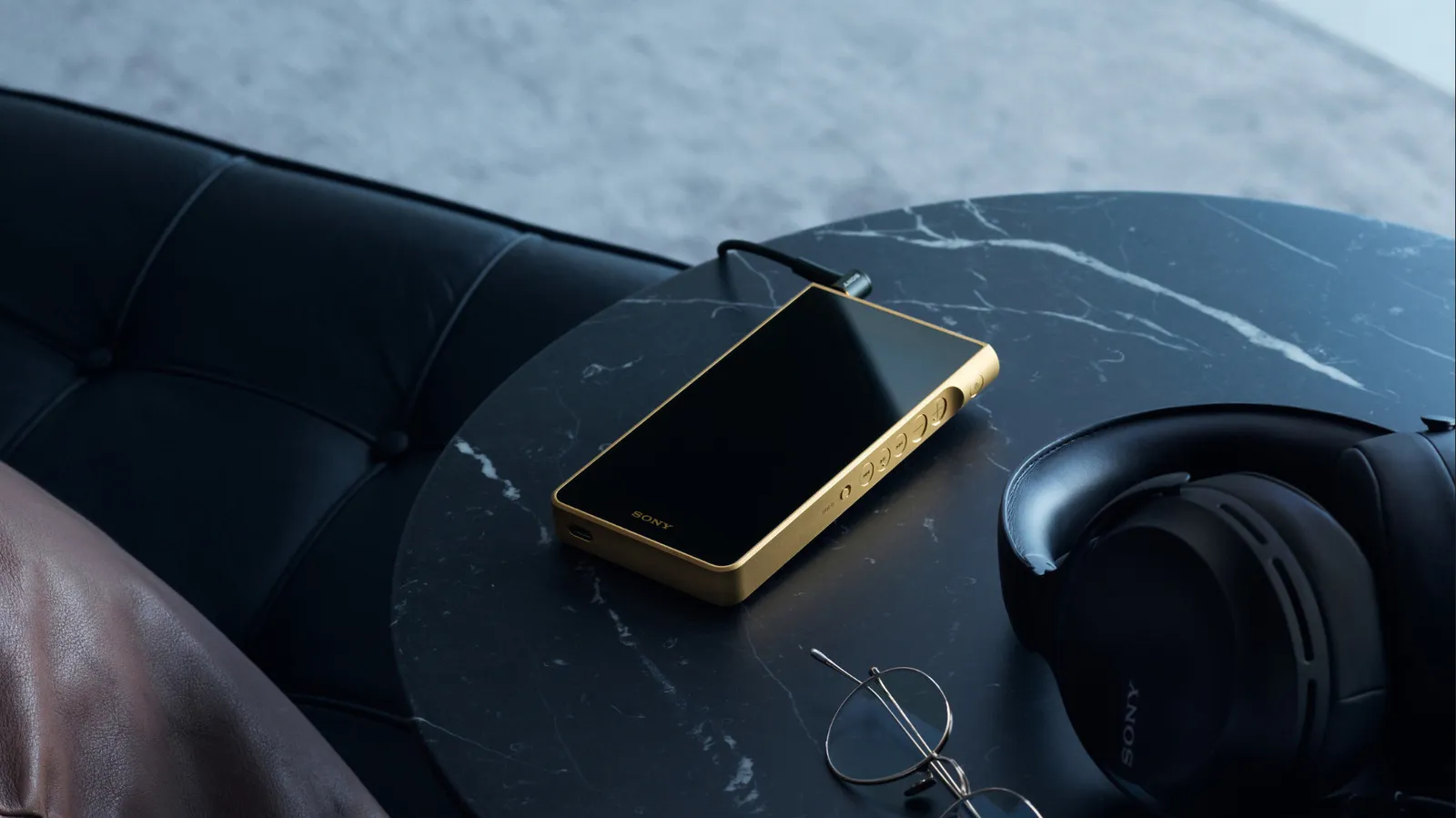
Sony has opened pre-orders for three new Walkman digital audio players carrying price tags in the thousands of dollars, a premium bet on a heritage brand. The launch tests how much pricing power Sony's audio name still commands in a category smartphones have largely absorbed, and pre-order sell-through will deliver the first public verdict.
Sony opened pre-orders for three new Walkmans, and the number that matters is the price: these players cost thousands of dollars. Read that again. The Walkman name was built on a device cheap enough to hand to a teenager, and the new version costs more than most people spend on a laptop. Engadget's framing is blunt: the money may not add up. That gap, between a heritage brand with enormous emotional equity and a price tag that would make an audiophile wince, is the actual story. Sony is not selling a music player here. It is testing whether its name still carries enough weight to command four figures in a category most people assume their phone has already won.
A modern Walkman is not a cassette deck. It is a dedicated digital audio player: converter, amplifier, storage, battery, a screen, and no phone attached. The pitch is isolation. No notifications, no cellular radio, no apps quietly competing for attention, just music played through hardware built to do one thing. Dedicated players have been a niche within a niche for years, sustained by listeners who own headphones worth more than most phones and who insist the source matters as much as the speaker. Sony has kept that flame alive longer than almost any mainstream manufacturer, and the new trio is aimed squarely at that buyer.
The timing is not random. Most major streaming services now offer, or have promised, a lossless or hi-res tier, which has quietly created a customer who knows what a bitrate is and cares about it. Historically, that listener solved the problem with a separate converter and amplifier stacked on a desk. A Walkman collapses that stack into something pocketable, which is the honest case for the product: it is not better sound than a phone so much as it is fewer excuses to stop listening. Sony also sits in an unusual position, since it owns recording labels, masters, headphones, and the hardware that plays everything back.
Run the launch as a business, and it starts to make more sense. Premium audio is a low-volume, high-margin game where unit sales are not the point; the point is what the product says about the brand. A four-figure Walkman functions as a halo object. It gives Sony a flagship to point at in marketing, a reason to be discussed in the same breath as specialist high-end audio firms, and a pricing anchor that makes its mid-tier headphones look reasonable. Sony's audio heritage is the asset here, and premium pricing is how the company converts decades of nostalgia into margin.
The skeptical case is just as easy to build. A phone and a solid pair of headphones already deliver most of the audio quality a listener can actually hear. Returns in audio are real, but they diminish fast, and the final increment of quality is always the most expensive increment to manufacture. Add storage, build quality, and industrial design, and you have a device whose price is set by what the market will bear rather than by the bill of materials. The buyer paying thousands for a Walkman is not buying a better commute. They are buying a dedicated object, a piece of design, and the deliberate absence of a phone.
There is also a cultural tailwind Sony can legitimately claim. Vinyl, cassette, and CD all found second lives among listeners who grew up after those formats were dominant, and the appeal is not fidelity so much as ritual: choosing an album, holding an object, listening without a feed deciding what comes next. A premium digital player fits that mood even though it is a digital device, because it does the one thing a phone refuses to do, which is nothing else. Whether that mood sustains a four-figure price across three models is a different question, and it is the question the pre-order numbers will answer.
Watch three signals from here. First, sell-through: a fast sellout suggests a smaller, richer audience than skeptics assumed, while a slow trickle invites discounts and dilutes the halo. Second, whether the line holds its price a year out, because premium audio brands that break pricing discipline lose the premium permanently. Third, whether rivals treat this as permission to push their own price ceilings. For executives pricing anything with a strong brand and a small addressable market, the lesson is uncomfortable but clean: this launch is a live experiment in how much nostalgia, wrapped in metal, a customer will actually pay for. Sony is betting the answer is thousands.
This story's Key Insights and Take-aways are locked.
Create a free account to unlock Executive Actions for one credit.
Register to UnlockAlways free for Executives Club members. Join the Club
More in Technology

Anthropic Mathematician Claims Claude Helped Prove Riemann Hypothesis in Six Weeks
Levent Alpöge says the AI tool helped him develop a solution to one of math's most important unsolved problems in about six weeks, a claim that, if verified, would reshape AI's role in research.

Anthropic mathematician claims Claude helped crack the Riemann hypothesis
If the proof holds, AI has toppled math's most famous open problem; if it does not, it is a case study in announcing breakthroughs before anyone verifies them.

AI's $4 Trillion Wipeout Erases Nasdaq's Gains for the Year
A brutal week took roughly $4 trillion off the AI sector and left the Nasdaq flat for the year, and the damage ran the full length of the supply chain.