
South Africa faces June 30 migrant ultimatum after protests demand undocumented foreigners leave
What a fast-approaching June 30 deadline could mean for African migrants, local stability, and regional migration management.
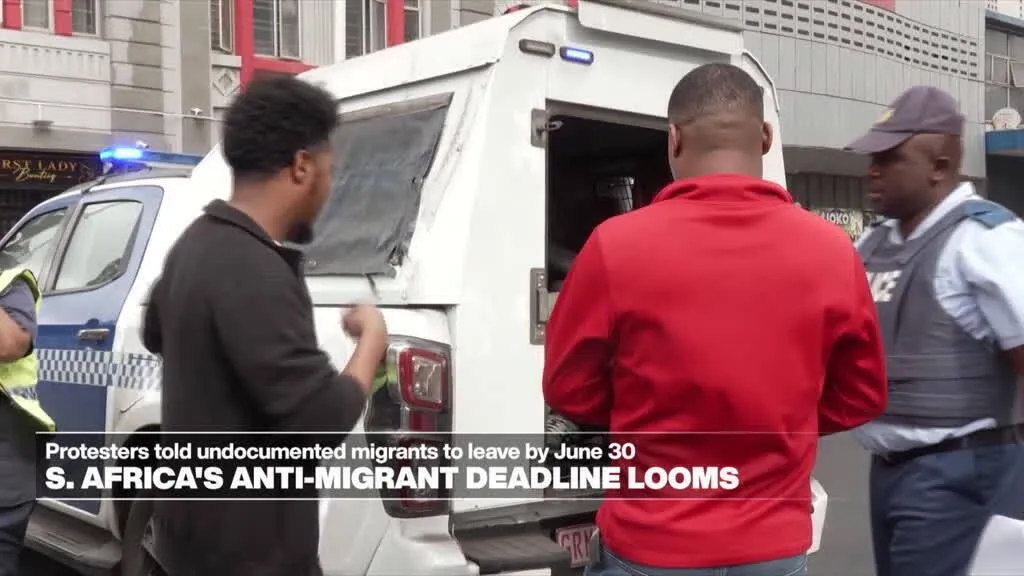
South Africa is bracing for a June 30 deadline demanded by protesters calling for undocumented foreigners to leave. The looming action matters for decision-makers because it increases near-term social risk while also intersecting with displacement pressures across Africa.
African migrants in South Africa are staring down June 30, a deadline protesters are pushing after demanding that undocumented foreigners leave the country. As that date nears, worry is building among migrants who live with the uncertainty of whether enforcement actions will escalate, how quickly they might move, and what that means for safety, livelihoods, and legal status.
The headline is simple, but the stakes are not. A June 30 deadline is a time-boxed mobilization, which usually compresses decision-making for everyone involved: migrants trying to regularize their status, employers trying to anticipate labor disruption, and authorities weighing how to balance enforcement with public order. Even if the core demand targets undocumented foreigners, the practical impact tends to spill outward. In moments like this, individuals with unclear documentation, temporary permits, or bureaucratic delays can be pulled into the uncertainty, and that uncertainty can spread quickly through neighborhoods, workplaces, and informal economies.
For executives and boards, the operational question is not only “what happens on June 30,” but also “what happens in the weeks before.” When a protest movement sets a date, it can shape behavior well ahead of enforcement. People may relocate early, reduce spending, avoid certain areas, or stop engaging with services they previously used. Employers in sectors that rely on migrant labor could face labor instability, absenteeism, or reputational pressure, especially if business leaders are perceived as either benefiting from the status quo or failing to protect workers. Policymakers and local institutions, meanwhile, are likely to face harder tradeoffs: how to respond to demands publicly, how to coordinate agencies behind the scenes, and how to prevent violence or crowd chaos that can emerge when tensions rise.
It also matters that the source frames this as a continent-wide pattern of strain and movement, not a one-off local flare. The same edition flags at least three deaths in Ghana after floods paralyzed the capital, underscoring how natural disasters can disrupt livelihoods and push populations into migration pathways. When shocks like flooding hit major urban centers, they can intensify vulnerability. That vulnerability can then intersect with migration pressures elsewhere, including South Africa, where undocumented status can become the focal point of political anger during periods of economic or social stress.
For those monitoring risk beyond national borders, this is where the second-order effects show up. If environmental disasters in one country increase displacement or hardship, more people may seek work and safety in neighboring states. Then, if another country imposes a hard deadline aimed at undocumented migrants, the pressure on institutions becomes two-layered: one layer from social enforcement and political mobilization, and another layer from the broader regional dynamics of movement. In practice, that can tighten the window for migrants and for organizations that depend on cross-border labor flows.
There is also a signal, in the same edition, that migration is not only about survival or legality, but about rights and social safety. Cape Verde is described as offering “greener pastures” for LGBTQ+ people on the continent. That detail is not a direct response to South Africa’s June 30 deadline, but it highlights a broader reality: people move for different reasons, including the search for legal protections and personal security. For organizations planning in this environment, it means demographic and legal complexity is rising, not shrinking. Compliance decisions, workplace policies, and community engagement strategies need to anticipate that migration is increasingly multi-dimensional.
Put it together and you get a clear strategic stakes picture for decision-makers across the region. South Africa’s June 30 deadline is a concrete date tied to protesters demanding undocumented foreigners leave. In the run-up, it can amplify uncertainty, disrupt local labor markets, and raise social risk in ways that extend beyond the target group. Meanwhile, Ghana’s flood disaster and Cape Verde’s position for LGBTQ+ safety show that displacement and destination choices are being shaped by both crisis and rights. The best time to prepare is before the calendar turns, because once action accelerates, organizations will have less room to coordinate, less visibility into what is changing on the ground, and more pressure to respond fast.
This story's Key Insights and Take-aways are locked.
Create a free account to unlock Executive Actions for one credit.
Register to UnlockAlways free for Executives Club members. Join the Club
More in Politics
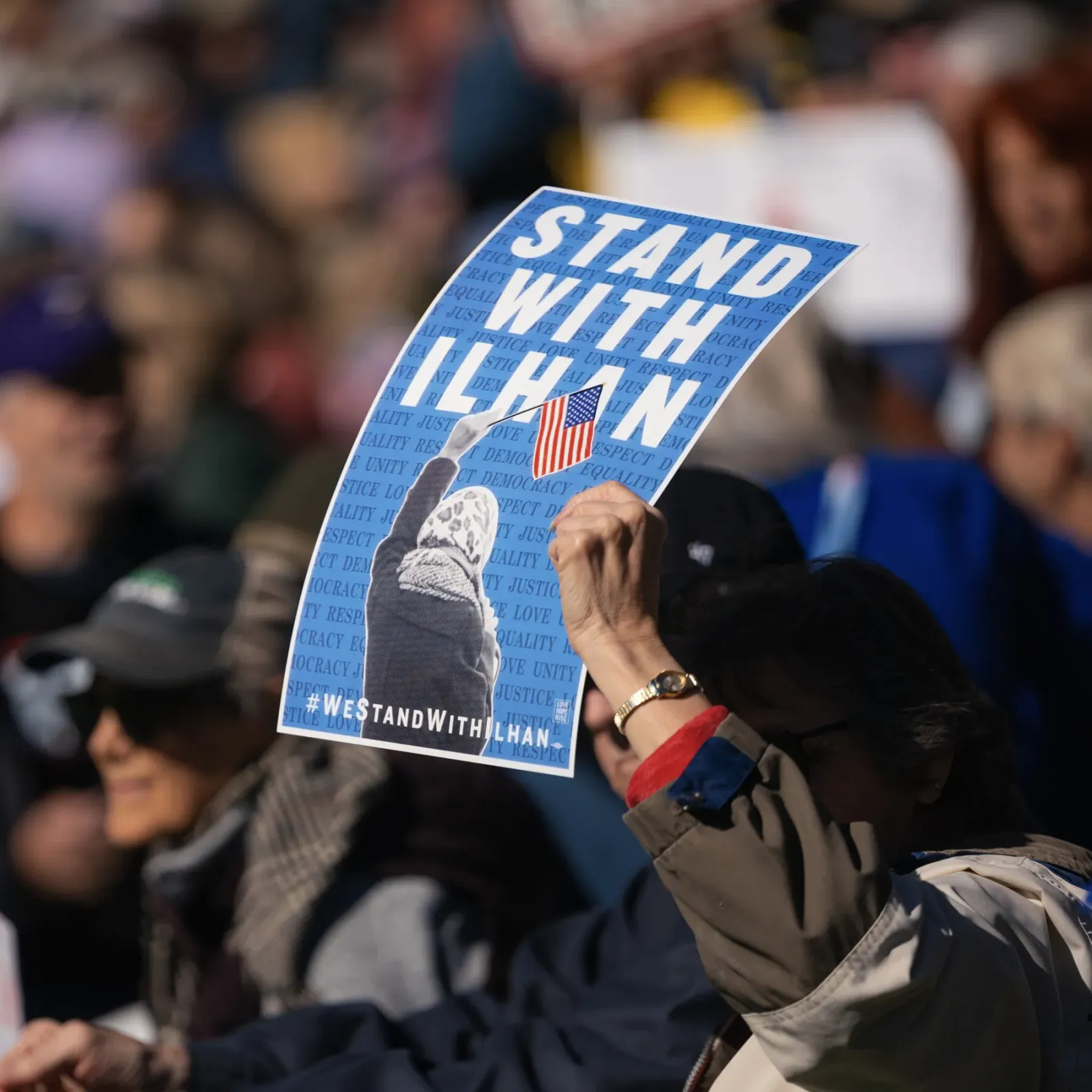
Obama Defends Ilhan Omar After Agents Search Her Home in Trump Inquiry
The former president's intervention raises the stakes in a federal probe into immigration paperwork that has put a prominent progressive lawmaker in the crosshairs.

Blair-era minister: cut welfare to fund youth job support
Alan Milburn's call for welfare cuts to fund employment support opens a Labour fight over benefits and the Neet crisis.

Hot September CPI: energy costs surge, voters feel the squeeze before midterms
The latest inflation print lands as Trump campaigns for GOP control of Congress, putting cost-of-living worries at the center of the midterm fight.