
SpaceX and Blue Origin drive Florida oceanfront luxury hotel land grabs on the space coast
Florida’s coast is getting re-priced as private space demand spills into high-end real estate development.
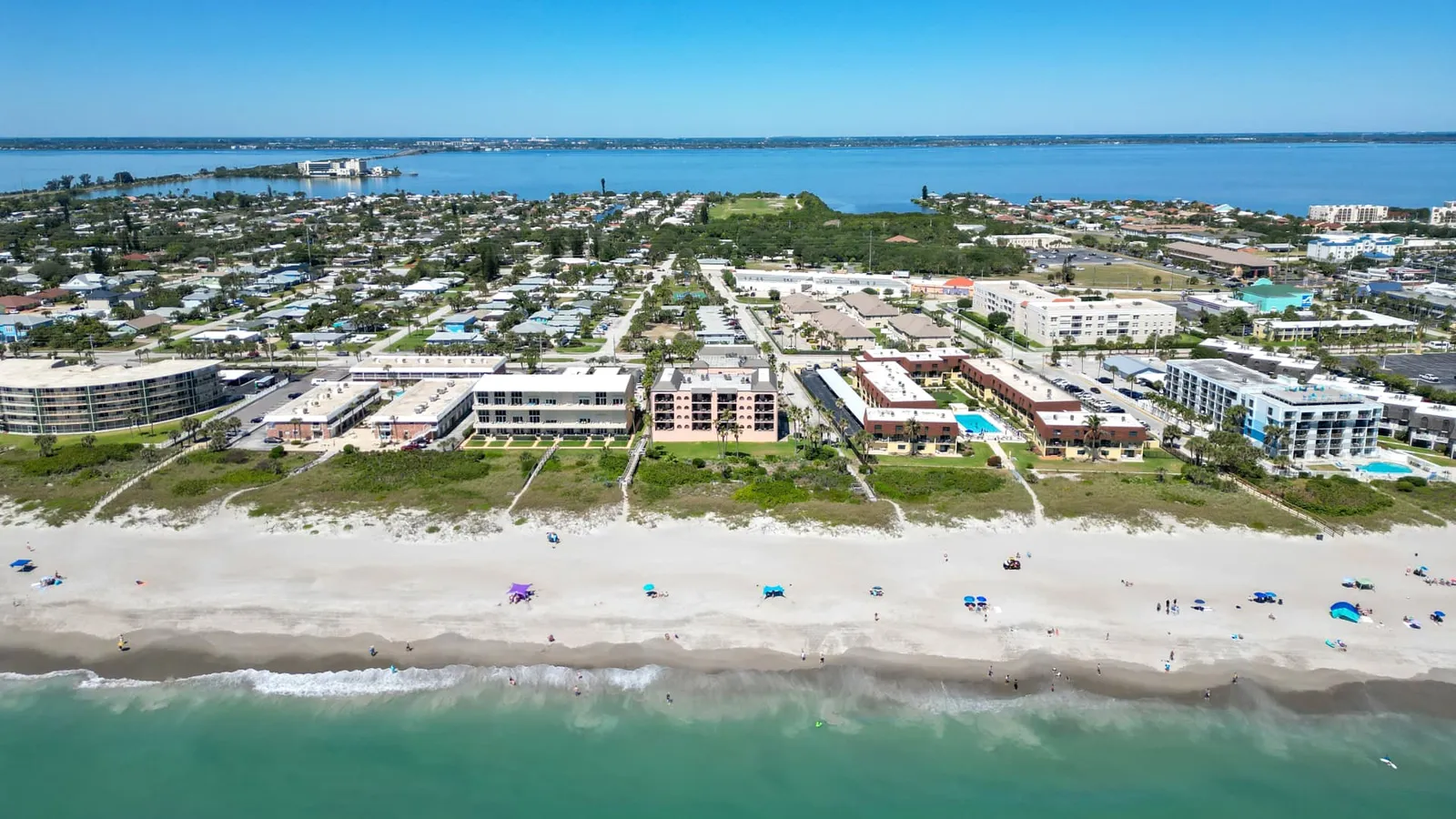
SpaceX and Blue Origin are helping spark demand for commercial real estate on Florida's space coast, CNBC reports. That demand is now showing up as a luxury hotel land grab along oceanfront property, with developers betting on the next wave of activity.
If you want to understand how the private space race changes everyday business decisions, follow the money from rocket launch pads to oceanfront hotel parcels. CNBC reports that the rise of the private space industry, including SpaceX and Blue Origin, has spurred demand for commercial real estate on Florida's space coast. And when demand shows up in Florida real estate, it does not stay polite. It moves fast, it gets expensive, and it quickly turns into a land grab, especially for luxury hotels on oceanfront property.
The key detail is the causal loop: as the private space industry grows on the space coast, it creates commercial pull for the surrounding region. That pull is not limited to manufacturing facilities or office space. It extends to hospitality and destination-style development, where investors and developers look at foot traffic, business travel, and event-driven demand that can cluster around launches, supplier activity, talent relocation, and related commercial operations. CNBC’s framing is straightforward: growth led by SpaceX and Blue Origin is spurring demand for commercial real estate, and that demand is now surfacing in luxury hotel development plans along Florida’s oceanfront.
To see why this matters for executives and boards, zoom out for a second on what “the space coast” means economically. Space-oriented clusters tend to behave like magnets. Once a region becomes associated with a high-growth industry, it draws capital, services, and infrastructure spending. The private space sector adds a particular flavor to that magnetism. It is not just government procurement. It is also commercial funding models, private contracts, and a steady cadence of company milestones that can translate into more stakeholders showing up in person. When that happens, hotel demand starts to look less like “tourism” and more like “business-critical capacity.”
That distinction is where luxury hotels can become attractive. A luxury hotel is effectively a real estate bet that the local economy will sustain high-value guests, not just occasional weekend stays. If the space industry’s growth translates into recurring travel, corporate events, visiting engineers, executives, and partners, then pricing power becomes part of the thesis. The oceanfront angle adds another layer. Coastal property is scarce, permitting can be complex, and the best sites do not wait for perfect timing. So developers often treat early land acquisition as a way to lock in location advantages before the market fully re-rates.
There is also a capital and risk-management angle. When new demand emerges, it rarely lands evenly across the market. Instead, it concentrates in specific product types and neighborhoods. That means boards looking at hospitality, commercial real estate, or development pipelines have to separate “headline excitement” from measurable indicators. CNBC’s point is not that rockets automatically create hotel profits. It is that the private space industry has already started to spur commercial real estate demand on Florida's space coast, and luxury hospitality is one of the categories catching that wave.
Regulatory and planning dynamics typically influence how quickly these projects can move, and that is important for decision-makers. Coastal development commonly intersects with zoning rules, environmental review processes, and permitting timelines. Those constraints can compress competition into a narrower window for land deals, which can further intensify land grabbing behavior. In plain terms: if you want the best beachfront, you often have to buy early, even before every permitting checkbox is cleared. That is how “industry growth” becomes “real estate urgency.”
For executives watching similar cluster-driven growth elsewhere, the second-order implication is that the private space race is spilling into adjacent sectors that do not always make it into rocket-sector conversations. Hospitality is one of those sectors. When corporate ecosystems expand, the service economy builds around them, and it can do so in ways that reprice the local real estate market. For boards, that means strategy discussions can no longer stay siloed. If your company is tied to real estate, capital markets, or regional development, you need to understand how emerging tech industries can reshape demand patterns in surprisingly tangible ways, like oceanfront luxury land acquisitions on the space coast.
This story's Key Insights and Take-aways are locked.
Create a free account to unlock Executive Actions for one credit.
Register to UnlockAlways free for Executives Club members. Join the Club
More in Business

SpaceX stock jumps 3% after it overtakes Amazon’s market cap
CNBC says SpaceX’s shares surge following its IPO Friday, forcing investors to reprice what “space” and “AI” are worth.
SpaceX’s first options day breaks U.S. records after a $85B IPO win
Big IPO, bigger options debut: what it means for investors, risk teams, and anyone benchmarking market appetite.

SpaceX buys Cursor for all-stock $60B, signaling Elon Musk’s next AI move
SpaceX exercised its option for Cursor in an all-stock deal worth $60 billion, reshaping AI dealmaking expectations.