

SpaceX and Tesla form merger committees, Musk steps aside
Independent director panels will explore a deal between the two companies, with the CEO recused from both.
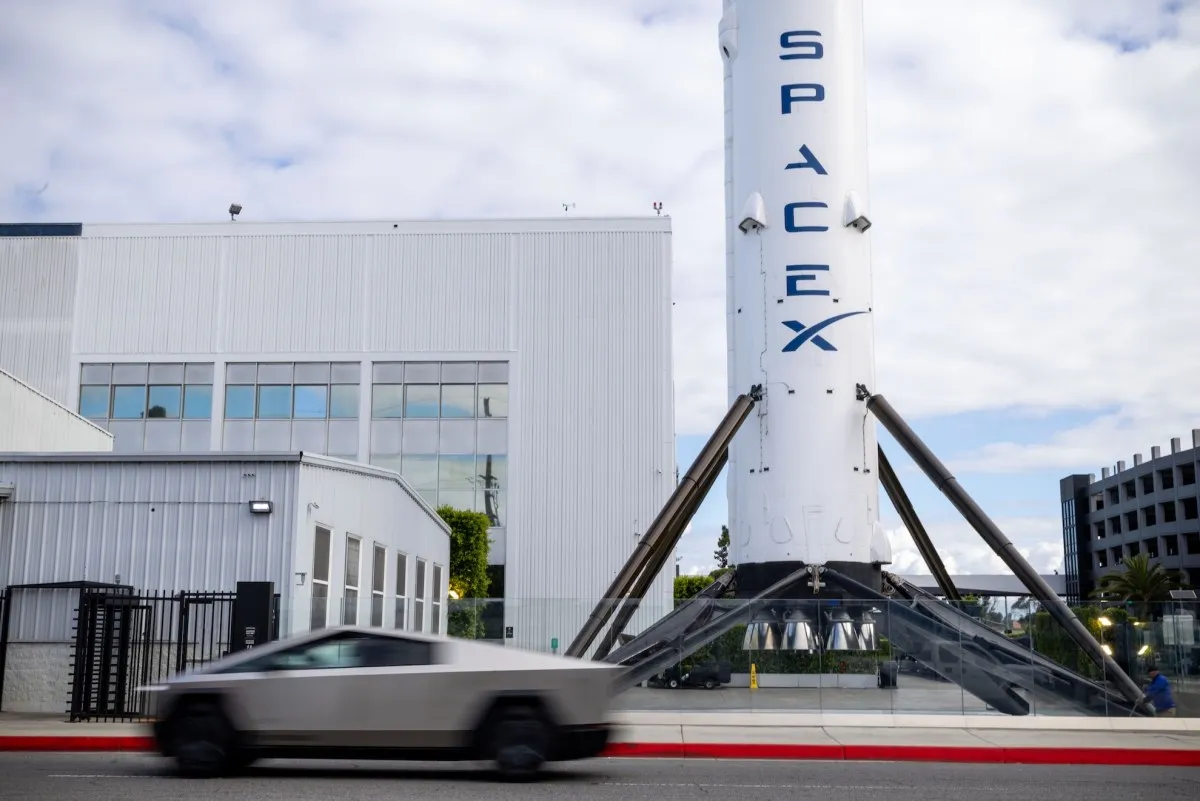
SpaceX and Tesla have each formed special committees of independent directors to review a potential merger, a proposal Elon Musk says he likes but will not personally oversee. The move signals serious board-level consideration of one of the most consequential combinations in corporate history, with implications for governance, antitrust, and shareholder value.
Elon Musk likes the idea of merging SpaceX and Tesla - so much that he is stepping away from the table. Both companies have formed special committees made up entirely of independent directors to review the potential deal, and Musk, who serves as CEO of both, says he is not on either committee. The structure is a textbook governance move: when a controlling executive has a personal stake in both sides of a transaction, independent oversight is the only way to signal fairness to shareholders, regulators, and the public. By recusing himself, Musk is effectively acknowledging the conflict of interest that a merger between his two flagship ventures would inevitably raise, even as he publicly endorses the idea.
The formation of these committees does not mean a deal is imminent, but it is a significant step beyond the casual speculation that has trailed Musk's companies for years. Special committees are typically created only when a board wants to seriously vet a transaction, negotiate terms, or at minimum create a defensible record that a deal was considered with proper process. The fact that both sides have moved in tandem suggests preliminary conversations have already happened and that the boards are now preparing for formal due diligence. That process would examine valuation, synergies, capital structure, and regulatory risk - all of which are monumental in this case.
A SpaceX and Tesla merger would be a combination unlike almost anything in modern corporate history. SpaceX is the dominant force in commercial space launch, with a valuation that has soared past $200 billion in private markets, while Tesla is a global leader in electric vehicles and energy storage, with a market capitalization that has made it one of the most valuable automakers in the world. Combining them would create a vertically integrated powerhouse spanning terrestrial transportation, battery technology, and orbital infrastructure - a company capable of building the vehicles on Earth and the rockets that launch them, potentially even supplying its own satellite internet and launch services. The strategic logic is not hard to see. Tesla's battery expertise and manufacturing scale could reduce costs for SpaceX, while SpaceX's Starlink network could provide Tesla with connectivity, data, and a new revenue channel.
But the logic of the deal is easier to articulate than the mechanics. The two companies have different capital structures, different investor bases, and vastly different risk profiles. Tesla is a public company with quarterly reporting obligations and a shareholder base that includes institutional investors demanding near-term returns. SpaceX is private, with a more concentrated ownership structure and a mandate geared toward long-term moonshots. Blending those two cultures and financial models would be a test of even the most sophisticated integration team. There is also the question of valuation: what price does Tesla pay for SpaceX, and how is that assessed when SpaceX shares do not trade on any public exchange? Independent committees on both sides would need to negotiate that valuation using financial advisors, fairness opinions, and whatever private market data is available.
Regulatory scrutiny would be immediate and intense. A combination of this size would likely trigger reviews by antitrust authorities in the United States and abroad, even if the two companies operate in largely complementary markets. The Biden administration has taken a hard line on consolidation across tech, energy, and defense, and a Musk mega-merger would be a lightning rod for political attention. Musk's own history with regulators - including the SEC, the FAA, and the FTC - adds another layer of complexity. The boards are likely aware that any deal they approve would face months, possibly years, of regulatory review, and that the public statements from those agencies could shape investor sentiment long before a closing.
For shareholders, the creation of independent committees is both a reassurance and a warning. It is a reassurance because it signals that the boards are taking their fiduciary duties seriously and will not simply rubber-stamp whatever Musk proposes. It is a warning because the very need for such committees is a reminder that Musk controls both sides of this potential transaction, and that his incentives may not align perfectly with outside investors. Tesla shareholders, in particular, should watch how the committee members are chosen, what advisors they hire, and whether they have the power to walk away. The same applies to SpaceX's small group of outside investors, who will want to ensure that any merger price reflects SpaceX's standalone trajectory rather than a discount designed to benefit Tesla.
The creation of these committees also sends a signal to competitors and the broader market. Rival automakers, aerospace companies, and defense contractors must now consider a world in which Tesla and SpaceX are one entity, with shared resources and a unified strategic vision. That prospect could accelerate investment in competing ventures, from new EV startups to launch providers, as incumbents hedge against a Musk-controlled behemoth. For founders and CEOs watching this story, the lesson is not about the specifics of this merger, but about the governance architecture around it. When a founder has personal interests on both sides of a deal, recusal is not just good practice - it is the only credible path to closing the transaction and defending it in court, in the press, and before regulators.
For now, the committees have a mandate to review the idea, but no timeline has been announced and no terms have been disclosed. Musk's statement that he likes the idea but is not on either committee is carefully worded to keep him involved in the conversation without polluting the process. The next move belongs to the independent directors, who must decide whether a merger of this scale is worth the enormous cost, complexity, and risk. If they say yes, the deal would reshape two industries at once. If they say no, the committees will have at least built a record that protects the boards and the CEO from claims of self-dealing. Either way, the formation of these committees is a quiet but powerful acknowledgment that one of the most talked-about mergers in modern business is now a real possibility - and that its fate rests in the hands of independent directors, not the man who built both companies.
This story's Key Insights and Take-aways are locked.
Create a free account to unlock Executive Actions for one credit.
Register to UnlockAlways free for Executives Club members. Join the Club
More in Technology

AI weed tech could cut herbicides, but the costs are steep
A new University of Mississippi and Cornell review finds precision weed tools can replace chemicals and labor, yet adoption comes with serious financial and operational hurdles.
SpaceX's AI engine just delivered a $4.4 billion profit quarter
The rocket giant's third-quarter net income shows AI demand is now a decisive force in the space economy.
The moon's first supercomputer launches this year with AI aboard
Astrolab's FLIP rover will test HPE's Spaceborne Computer-4 at the lunar south pole, a milestone for edge computing, autonomous navigation and the commercial moon economy.