

SpaceX inks $60B Cursor buy, closing in Q3 2026 after a $10B breakup fee plan
The rocket and AI stack just added an enterprise-grade coding platform, with a timeline and deal structure that matters.
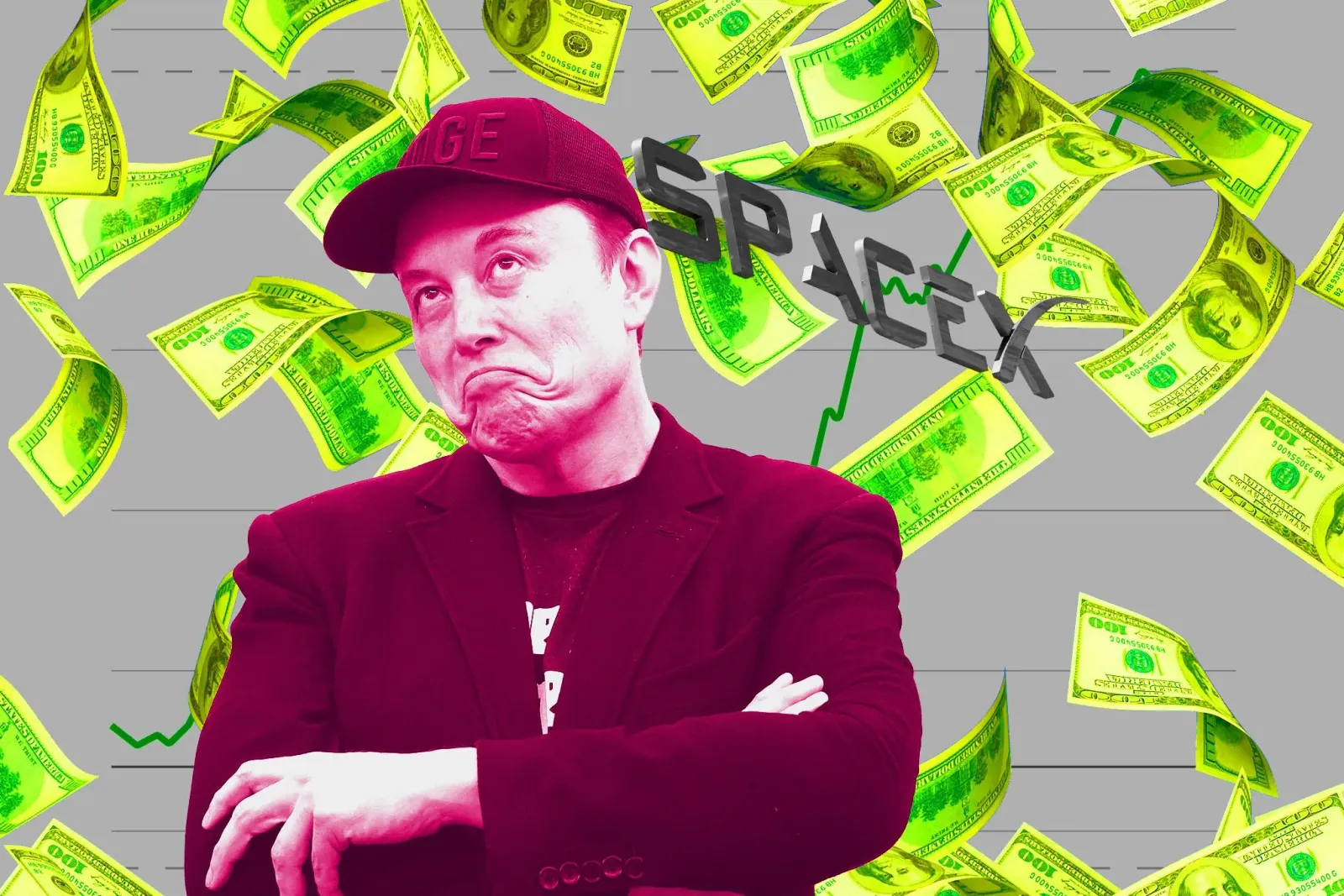
SpaceX says it is spending $60 billion to buy Cursor, days after its massive IPO. The deal was previously structured around either completing the acquisition or paying a $10 billion breakup fee, and SpaceX now expects to close in the third quarter of 2026.
SpaceX is officially moving forward with a $60 billion acquisition of Cursor, and it comes with a closing date that the market can actually schedule around. In an SEC filing, SpaceX said it expects the deal to close during the third quarter of 2026. That is not a vague “sometime soon” timeline. It is a specific future checkpoint for a bet that links rockets, AI tooling, and enterprise adoption into one corporate play.
This was designed to be more than a trophy purchase. Days after its massive IPO, SpaceX framed the Cursor deal as a way to help Elon Musk's sprawling rocket / AI / social media behemoth win lucrative enterprise customers and close the gap with AI rivals like Anthropic and OpenAI. In other words, Cursor is not just software. It is a wedge into the workflows where companies pay, standardize, and stick with tools for years.
The “how” behind this deal matters as much as the “what.” The takeover was not entirely unexpected because SpaceX announced a peculiar arrangement in April. Under that setup, SpaceX agreed to either acquire the programming platform for $60 billion or pay a $10 billion breakup fee. That structure signals the company was preparing for a real possibility that timing, conditions, or deal mechanics could derail the transaction, while still giving investors a clear economic outcome if it did.
Also, SpaceX had been holding off completing the deal while going public. That phrasing matters: IPO windows often create operational and disclosure pressure, and large acquisitions can become harder to land smoothly while a company is in the middle of market exposure. Now that the IPO moment is over, SpaceX is treating the Cursor acquisition as something it can execute. For decision-makers watching the deal, the subtext is that corporate timing, capital markets readiness, and deal certainty can drive when M and A actually becomes real.
Zooming out, this is a classic enterprise AI race shape, even if the participants are not competing in a traditional “who launches a new model first” way. Anthropic and OpenAI have been associated with frontier AI capabilities, but enterprise adoption often hinges on integration, developer experience, and day-to-day productivity. A programming platform like Cursor is the kind of product that can turn AI from a demo into a routine tool, especially if it gets embedded into the coding lifecycle across teams.
And this deal puts SpaceX in a position where product distribution and buyer psychology matter as much as technology. The bet is that if Cursor becomes part of SpaceX's broader ecosystem, it can lower friction for organizations that want AI assistance without betting their engineering environment from scratch. That is the enterprise customer gap SpaceX is trying to close. It also explains why the stakes feel unusually high for a company better known for rockets, and why the company is moving quickly enough to set a 2026 close.
For executives and board members at other AI-adjacent companies, the second-order implication is about deal gravity. A $60 billion acquisition does not just add features. It can consolidate attention, talent pipelines, and distribution channels, and it can force competitors to reconsider partnerships and pricing strategies. When a well-capitalized platform player ties an AI tool to enterprise demand, it can change the competitive map from “model race” to “workflow lock-in.”
The bigger strategic question peers should be asking is simple: if SpaceX can use an enterprise coding platform to accelerate its AI positioning against Anthropic and OpenAI, what does that mean for everyone else building for developers and enterprises? The Cursor deal gives an answer with a date attached: Q3 2026. Until then, the only certainty is that the enterprise layer of the AI market is turning into the battleground, not the footnote.
This story's Key Insights and Take-aways are locked.
Create a free account to unlock Executive Actions for one credit.
Register to UnlockAlways free for Executives Club members. Join the Club
More in Technology

Nvidia's $89B data center quarter: the 9 companies cashing in
The AI buildout is minting fortunes beyond GPUs, and memory, cloud, and cooling suppliers are riding the same wave.
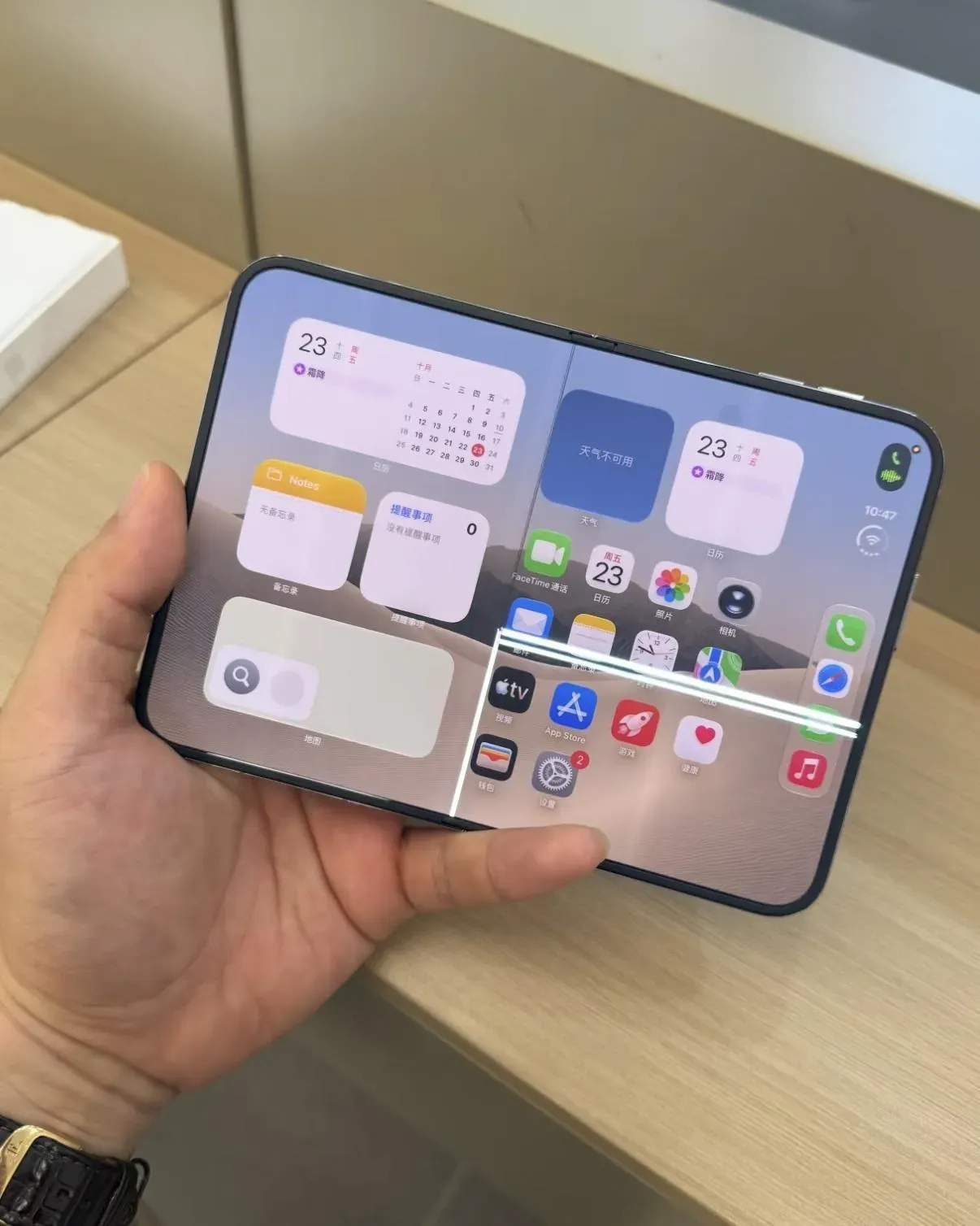
A YouTuber dissected the iPhone Duo and thinks he found crackgate's cause
CuriousHagi's teardown of Apple's foldable reveals a gear-like hinge that may explain why screens crack in the same spot within hours.

Google quietly links your phone number to every Android account on your SIM
Adding a SIM now ties your phone number to all Google accounts - and future accounts inherit it. Here's the security and privacy stakes.