
SpaceX IPO set for ~US$75B on Friday, after five world-record IPOs before it
Mainland China investors and Hong Kong capital flows are recalibrating ahead of SpaceX’s likely record-breaking listing.
Elon Musk’s SpaceX is expected to file for an initial public offering with a size of around US$75 billion on Friday. For decision-makers, this reframes which IPO deals China-focused investors chase and how Hong Kong routes risk capital.
Elon Musk’s SpaceX IPO is expected to arrive on Friday at a size of around US$75 billion, and that number matters because it could reset fundraising expectations for the global capital markets. In other words, this is not just another tech listing. The market is treating it like a reference point for what “largest” means when the buyer base includes mainland Chinese investors and the venue includes Hong Kong.
This is why a look back at “the world’s 5 largest IPOs” before SpaceX is more than trivia. The SCMP frames SpaceX as the next chapter in the phenomenal rise of tech giants in global capital markets, and those prior megadeals are the proof-of-concept the market has been using to price risk, momentum, and narrative. If SpaceX does indeed break fundraising records, it will not only change deal size math, it will also influence how investors in and around Hong Kong allocate attention and capital to the next wave of headline-grabbing tech flotations.
Zoom out for a moment. When IPOs get enormous, the impact is never confined to the issuer and the underwriters. It spills into investor behavior, trading activity, and portfolio construction across multiple geographies. The source specifically ties this to strategies of mainland Chinese investors, the Hong Kong market, and wider capital flows. That combination is important because mainland investors are often sensitive to how overseas listing structures, liquidity, and cross-border capital movement interact with their risk appetite.
Hong Kong’s role is the glue in that equation. As global capital seeks listings that balance access with liquidity, Hong Kong has historically been one of the markets that helps connect international investors to Chinese-facing demand and domestic Chinese capital to global supply. When a company like SpaceX becomes the kind of story that can plausibly pull in US$75 billion scale, it changes the “gravity” of the market. Everyone watching has to ask: if the next tech giant can reach this size, what does that do to valuation expectations, underwriting competition, and the timing of other IPO plans?
This is where the “before SpaceX” framing becomes useful. The world’s five largest IPOs before SpaceX represent the earlier benchmarks for what capital markets can absorb in a single event. Even if those IPOs were different in business model and technology maturity, they still established patterns: how pricing gets calibrated when demand is strong, how secondary trading can amplify first-day reactions, and how investors interpret scale as a proxy for confidence. SCMP’s description of SpaceX’s IPO as part of a series on global impact suggests the publication is tracking those patterns, not just the spectacle.
There is also a second-order effect that boards and finance teams should care about: expectations harden. Once the market learns that an IPO can be priced and marketed at a record scale, future companies often face a tougher fight for attention unless they can meet or exceed comparable deal narratives. That can affect everything from when management chooses to list to how they think about capital structure, disclosure priorities, and the risk tradeoffs embedded in timing.
SCMP’s text places SpaceX’s anticipated IPO size, “around US$75 billion,” alongside the idea that it is expected to break fundraising records on Friday. Taken together, the message is clear: the market is preparing for an inflection point, and investors in mainland China and Hong Kong are likely to adjust strategies accordingly. If you run an exchange, an investment bank, a growth fund, or even a family office managing China-adjacent tech exposure, you want to be clear-eyed about what changes when the top of the market moves.
So what should decision-makers conclude right now? A SpaceX-sized event can redraw the map for global capital flows, and it can reset the bar for future tech IPO fundraising. The strategic stakes are simple: those who understand how mainland investor strategy, Hong Kong market mechanics, and global capital movement interact will be better positioned to anticipate where the next liquidity will go, and where it will not.
This story's Key Insights and Take-aways are locked.
Create a free account to unlock Executive Actions for one credit.
Register to UnlockAlways free for Executives Club members. Join the Club
More in Business
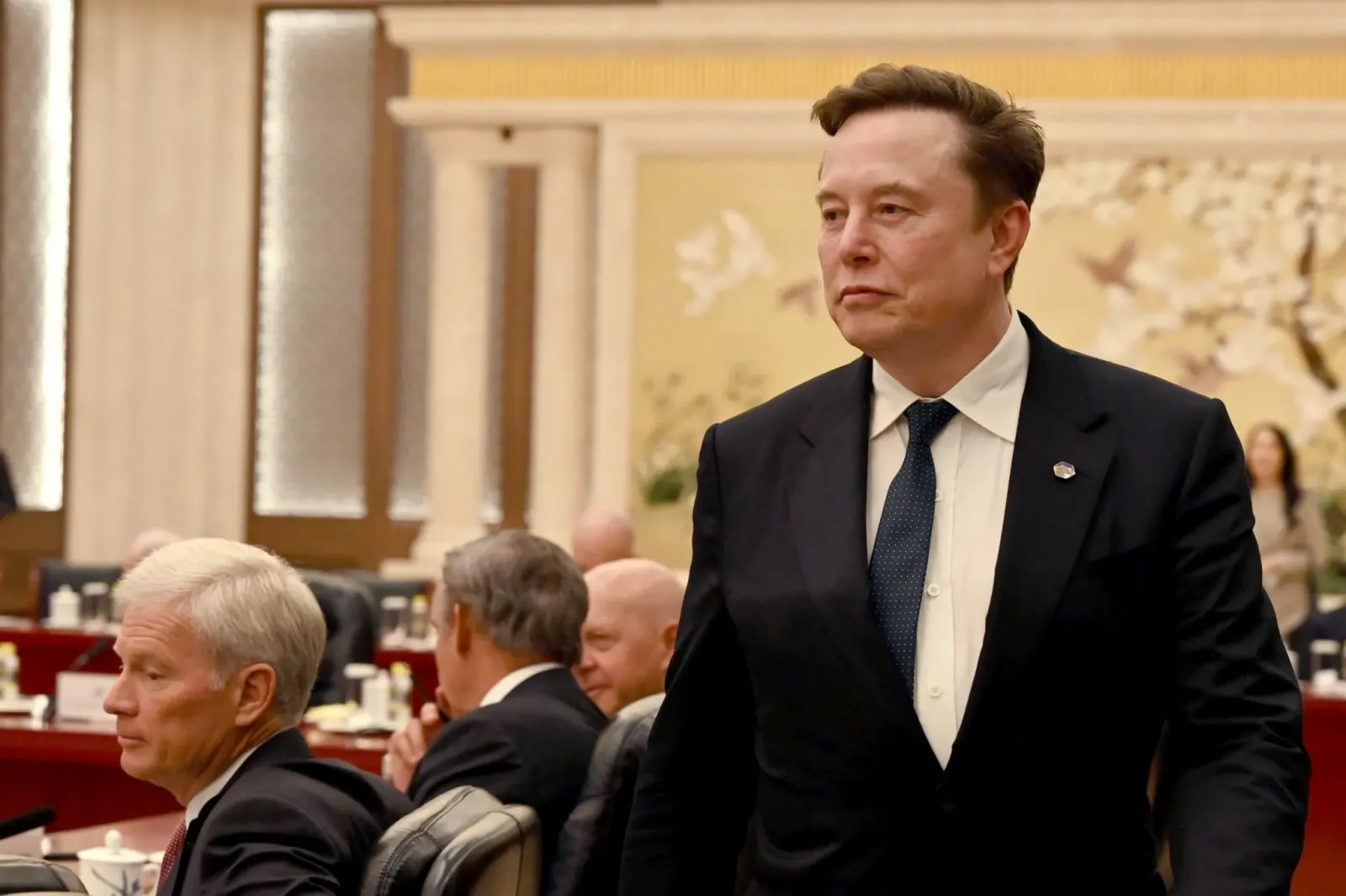
SpaceX IPO: Wedbush calls a Tesla merger “holy grail,” Morningstar pegs $63 fair value
Trading starts June 12 at $135, but analysts are split over a $72-per-share “option premium” on orbital AI dreams.

10% of large employers will drop obesity drug coverage next year as costs rise
As use surges, a growing share of big employers plan to end coverage, shifting the bill and the politics of benefits.
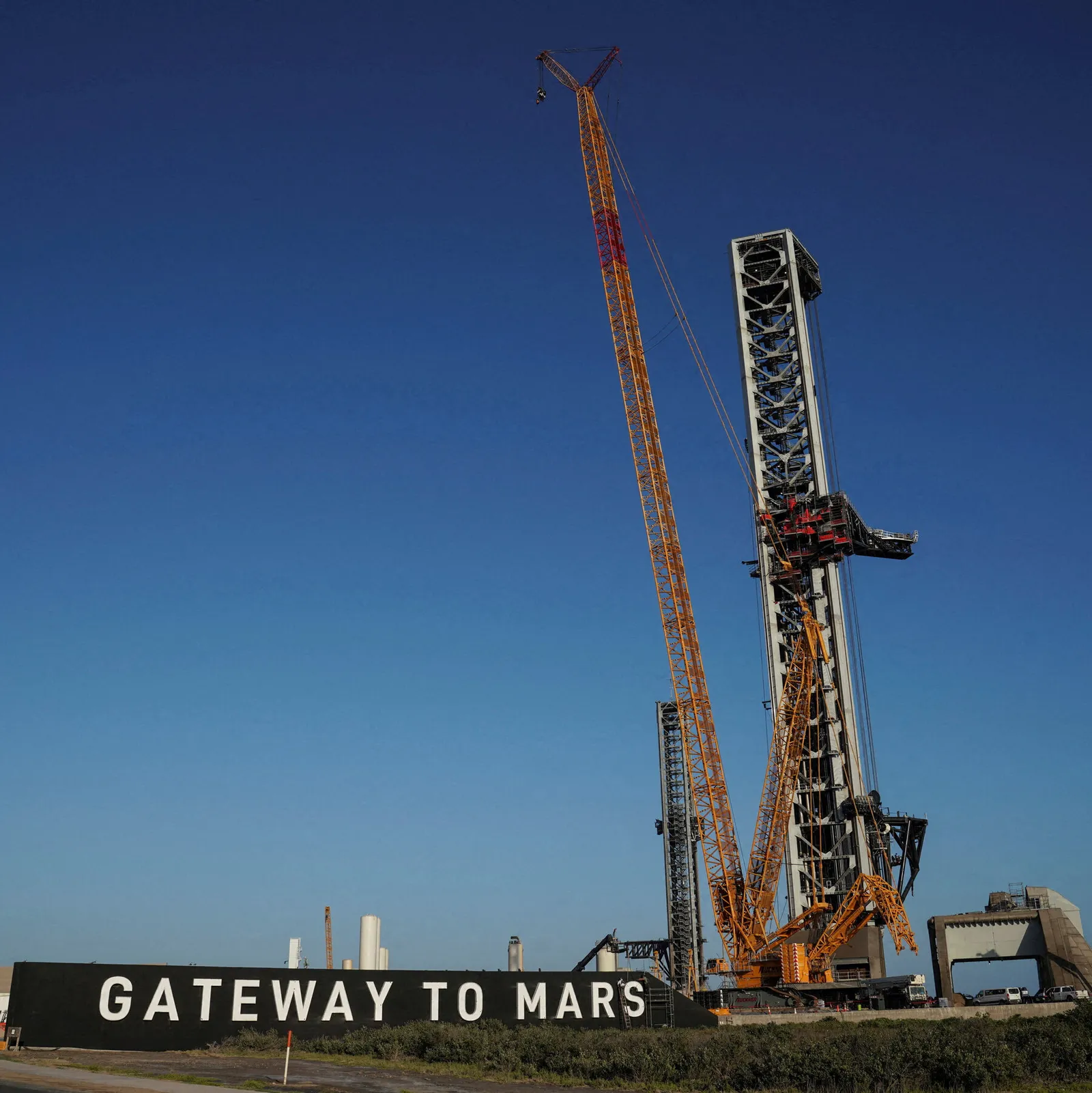
SpaceX IPO looms as A.I. spending frenzy triggers tougher questions on rocket economics
DealBook frames the go-public moment as scrutiny grows over the sector's spending spree and what it means for investors.