
SpaceX stock drops to $134, below $135 IPO price for first time on Wednesday
The rockets-to-AI IPO may be the biggest ever, but the stock trade is sending a very different signal.

SpaceX shares slid 1.5% to $134 on Wednesday, dropping below the $135 IPO price for the first time. The move comes just over a month after SpaceX completed the biggest IPO ever and made Elon Musk the world’s first trillionaire.
SpaceX shares slipped 1.5% to $134 on Wednesday, the first time the stock traded below its $135 IPO price. The headline number matters because it flips the default IPO narrative from “everything is working” to “the market is repricing risk,” only a little more than a month after the company completed what the source calls the biggest IPO ever.
This is happening just after one of the most unusual milestones in modern markets: SpaceX’s IPO helped make Elon Musk the world’s first trillionaire. For anyone watching public markets as a kind of scoreboard for private-company ambition, the pairing is jarring. You get the rarefied headline moment, the valuation skyrocket, and then, quickly, a downgrade in the stock’s immediate trading posture as investors move from IPO euphoria to day-to-day skepticism.
The source also ties the drop to where the stock had been. It says the $134 print is “well below” last month’s high, a peak that briefly pushed SpaceX’s market valuation above those of older Silicon Valley giants Microsoft and Amazon. That detail is more than trivia. Market capitalization is how investors instantly compare companies without debating business models line by line. When SpaceX crossed above Microsoft and Amazon, it implicitly suggested that investors were treating SpaceX as something closer to an existing mega-cap platform than a still-maturing space and AI play.
Now that signal has weakened. Trading below IPO price is a technical but psychologically loaded event. It suggests that at least some public-market buyers who stepped in at $135 no longer believe they should stay at that cost basis, or they believe the near-term fundamentals (or uncertainty around them) justify less than the IPO valuation. This is the moment where “expectations” get stress-tested: the story investors bought into on the offering day has to survive contact with public-market trading mechanics, investor timelines, and risk tolerance.
It is also a reminder that IPOs are not just fundraising events. They are a handoff between different investor groups with different instincts. In private markets, growth expectations can dominate and liquidity is limited. In public markets, liquidity is abundant, and investors are constantly repricing future cash flows, margins, competitive position, and regulatory exposure. That shift can be especially sharp for companies that are simultaneously big-picture ambitious and operationally complex, like rockets, launches, manufacturing, and the AI-related narrative space the source references.
Regulatory framing is part of the background even when it is not spelled out in the headline. The move from private to public typically increases scrutiny and formal reporting, and it also exposes a firm to broader oversight across securities markets. While the source does not add new regulatory facts beyond the IPO itself, the timing here is consistent with the period after a major offering when markets demand clarity. Investors often want to see whether initial commercialization narratives translate into measurable operating progress and whether headline valuation stays tethered to trackable performance.
Board dynamics and capital structure matter too, because the public markets bring different incentives to the table. A company that becomes the “biggest IPO ever” does not just raise cash and issue shares, it also resets expectations for transparency, capital allocation, and execution cadence. If the stock runs up and then cools, boards usually have to think not only about fundamentals but also about how to manage the gap between what the market wants now and what the business can realistically deliver next quarter.
For peers and for decision-makers watching this closely, the second-order implication is clear: IPO success does not automatically equal post-IPO stability. SpaceX’s stock sliding below its $135 IPO price is a real-time lesson in how quickly sentiment can change once the offering is done and the company is judged as a public entity. For executives at other late-stage tech and frontier-industry firms preparing for or already navigating public markets, the takeaway is that the market’s attention is unforgiving. Even after a historic valuation moment and an Elon Musk-driven headline that made him the world’s first trillionaire, the tape still decides what investors will pay today.
This story's Key Insights and Take-aways are locked.
Create a free account to unlock Executive Actions for one credit.
Register to UnlockAlways free for Executives Club members. Join the Club
More in Business

Epic and Google drop settlement bid, forcing rival Android app stores by July 22
Google told the court it is ready to carry third-party app stores starting Wednesday, July 22.
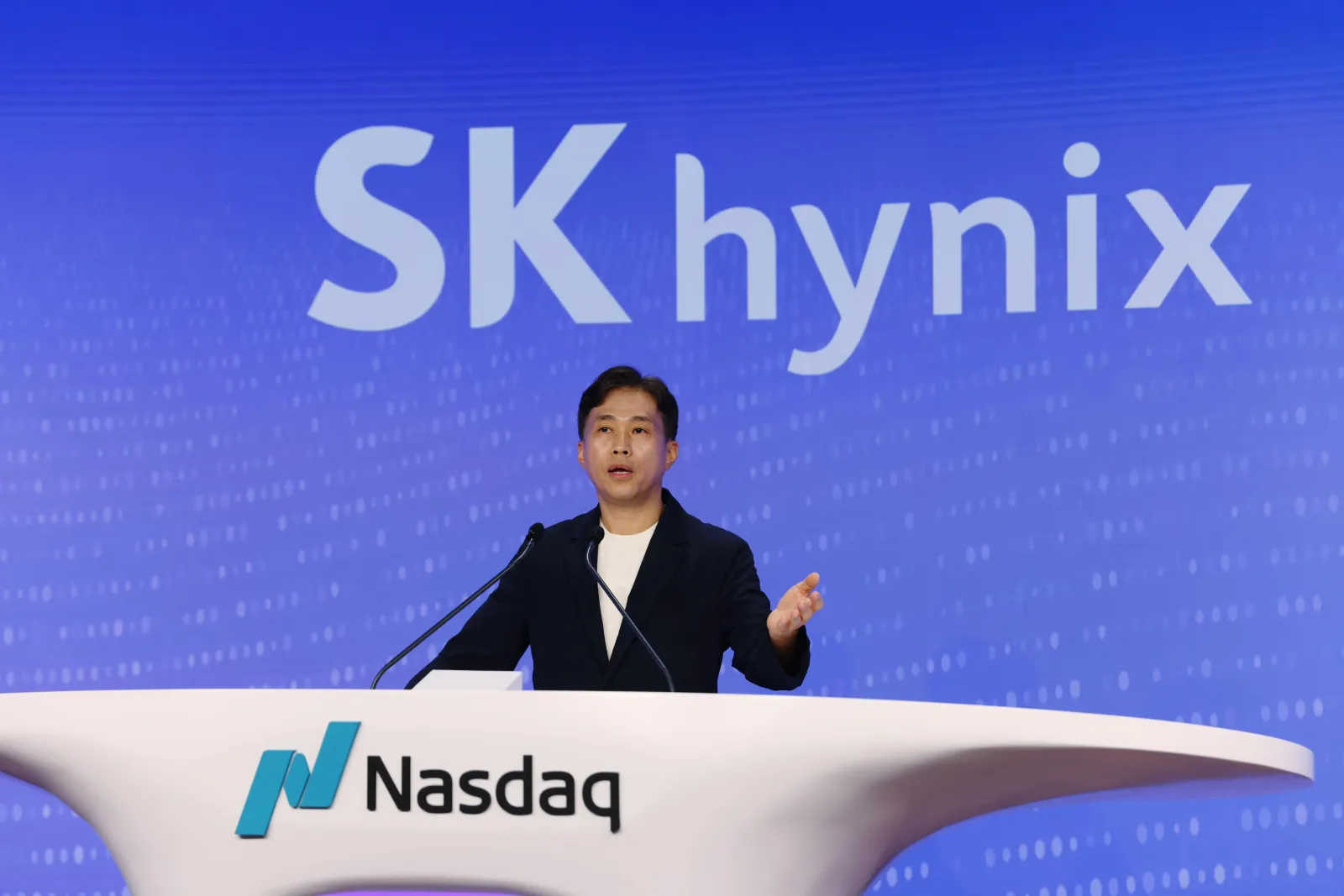
SK Hynix opens at $170, raises $26.5B, and tops foreign IPO records
In Friday's Wall Street debut, SK Hynix turns AI RAM demand into a $26.5B fundraising moment that rewrites comps.
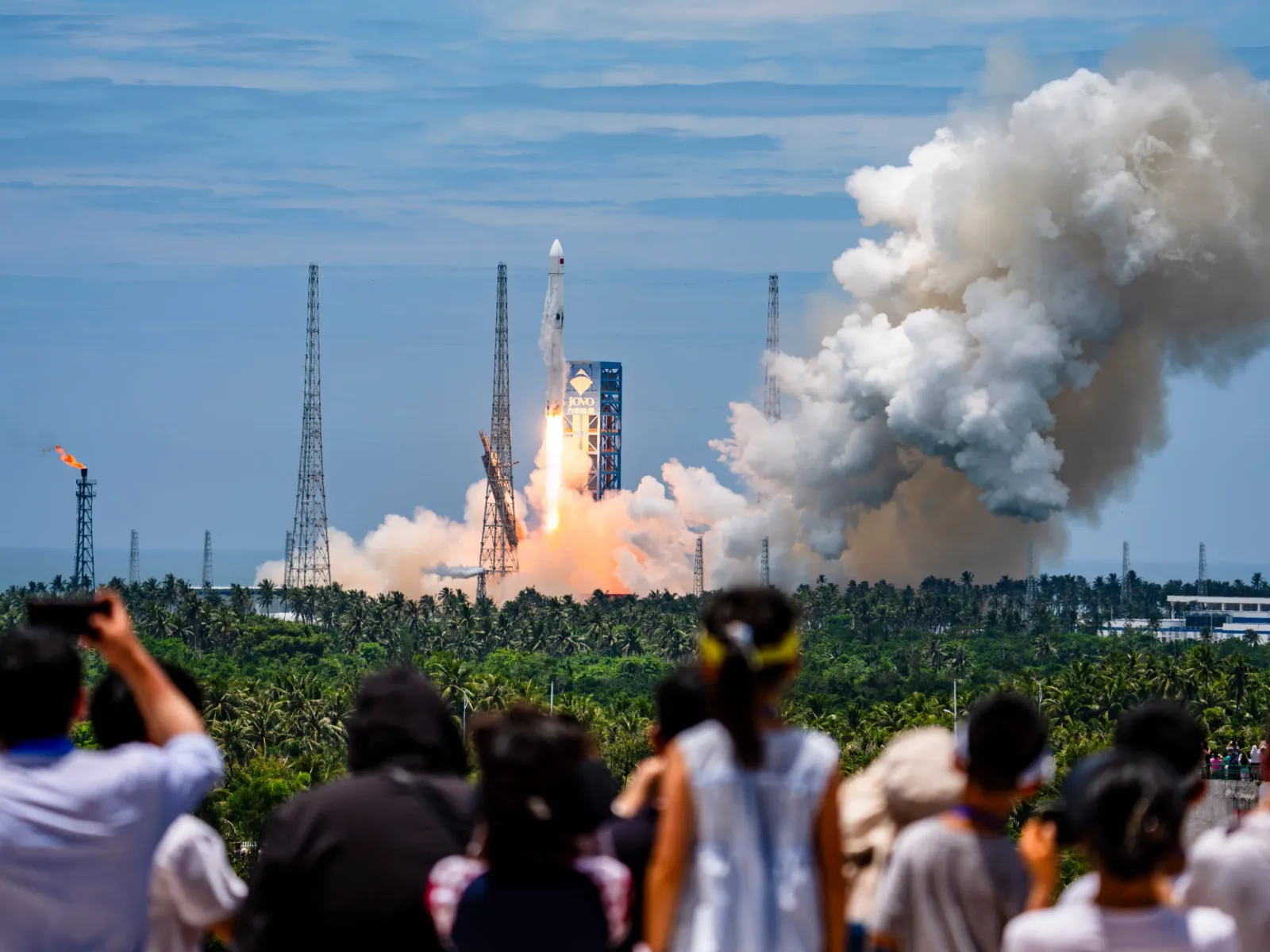
China lands a reusable Long March booster, a first that matches SpaceX and Blue Origin
A barge landing and net-based recovery move China from theory to proof, reshaping the reusability race and satellite ambitions.