

Spain evacuates 25,000 more near Madrid, pushing wildfire flight total to 70,000
Another 25,000 evacuees were ordered around Avila and Madrid region as record temperatures accelerated blazes.
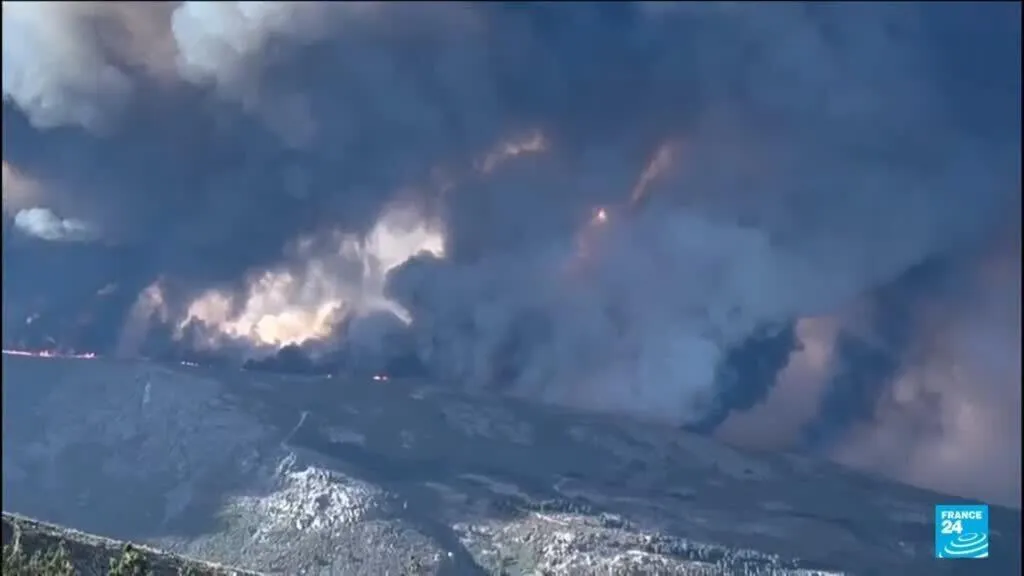
Francisco Martin, Spain's government delegate to Madrid, said an additional 25,000 people were evacuated as wildfires threatened villages near Madrid, bringing the total to 70,000. For decision-makers, the scale of displacement signals escalating operational, insurance, and emergency-response risks.
Spain’s wildfire emergency near Madrid just escalated again. On Saturday, Francisco Martin, the Spain government delegate to Madrid, said another 25,000 people were evacuated from villages threatened by wildfires. That brings the number of people who have fled to 70,000.
The latest evacuation orders were focused on specific areas west of the capital: the Valle del Tietar area in Avila province, as well as two villages in the Madrid region, Martin told journalists. In other words, this is not an abstract “situation.” It is moving village by village, with families and communities being pushed out as the fire line advances.
To understand why this matters beyond headlines, look at the operating reality behind evacuation numbers. When tens of thousands are moved quickly, governments, utilities, insurers, employers, and logistics networks all feel the shock at once. Even when the source story only provides the evacuation totals and locations, those numbers translate into urgent second-order problems: transport capacity, temporary housing, medical continuity, and the basic question of what happens to homes and workplaces when the air becomes unsafe and roads become uncertain.
The article frames the underlying driver as record temperatures accelerating the spread of blazes. Hotter conditions typically do more than intensify flames. They can reduce time for decision-making, increase the unpredictability of how quickly fires jump terrain, and raise the odds that fire-fighting resources are stretched across multiple fronts. For executives, that combination is brutal: it turns emergency planning into a race against time, not a slow, controlled sequence. When a fire accelerates, yesterday's “acceptable risk” can become today’s “containment failure.”
There is also a policy and governance angle. A government delegate to Madrid delivering live updates to journalists signals a coordination posture. When officials reach for repeated evacuation announcements, it usually means local response capacity alone is not enough, or the risk is changing faster than administrative cycles can handle. The institutional job, in plain English, is to communicate risk in a way that people can act on immediately. If those messages arrive too late, evacuations come too late. If they arrive too early without clear justification, trust can erode. The repeated evacuation totals suggest officials are prioritizing speed and clarity as conditions deteriorate.
For boards and finance teams, the displacement scale matters because it intersects with risk transfer and continuity planning. Wildfires can cause damage to property, but they also trigger business interruption, supply disruption, and increased claims volumes. Insurers and re-insurers do not just price rebuilding costs. They also model catastrophic loss patterns, including how often events happen back-to-back and whether claim counts rise as more households and assets are affected. When evacuation numbers climb to 70,000 in the Madrid area context, it is a signal that exposures are broadening, not narrowing.
There is a human factor too, and executives ignore it at their peril. Mass evacuation is disruptive even for people who never experience property loss. Schools close. Hospitals and clinics have to reroute patients. Workers need new transport and childcare arrangements. Local economies can stall, especially when the affected areas include villages that serve as community hubs. The Valle del Tietar area in Avila province and the Madrid region villages mentioned in the update underline that the impact is not confined to a single town. It is regional.
Second-order effects can also show up in how organizations handle communications and compliance. During fast-moving disasters, companies that operate in or near affected zones must decide how to adjust operations while still meeting regulatory and workplace safety obligations. Even without details beyond the evacuations, the pattern is clear: authorities are moving populations out to reduce exposure to the threat. That means employers, landlords, and facility managers often need to coordinate quickly with emergency guidance, adjust staffing, and plan for disrupted access. It is a governance test, not just a logistics one.
The strategic stakes for leaders in similar roles, whether in government, risk management, utilities, or property-focused industries, are straightforward: scale changes the shape of the problem. A wildfire that drives 25,000 more people to evacuate is already beyond “localized inconvenience.” It becomes an operational and financial stressor, potentially affecting insurance outcomes, continuity plans, and public trust. With the total now at 70,000, the message for decision-makers is that the emergency is intensifying and likely to keep demanding rapid, coordinated action as temperatures and fire behavior evolve.
This story's Key Insights and Take-aways are locked.
Create a free account to unlock Executive Actions for one credit.
Register to UnlockAlways free for Executives Club members. Join the Club
More in Politics
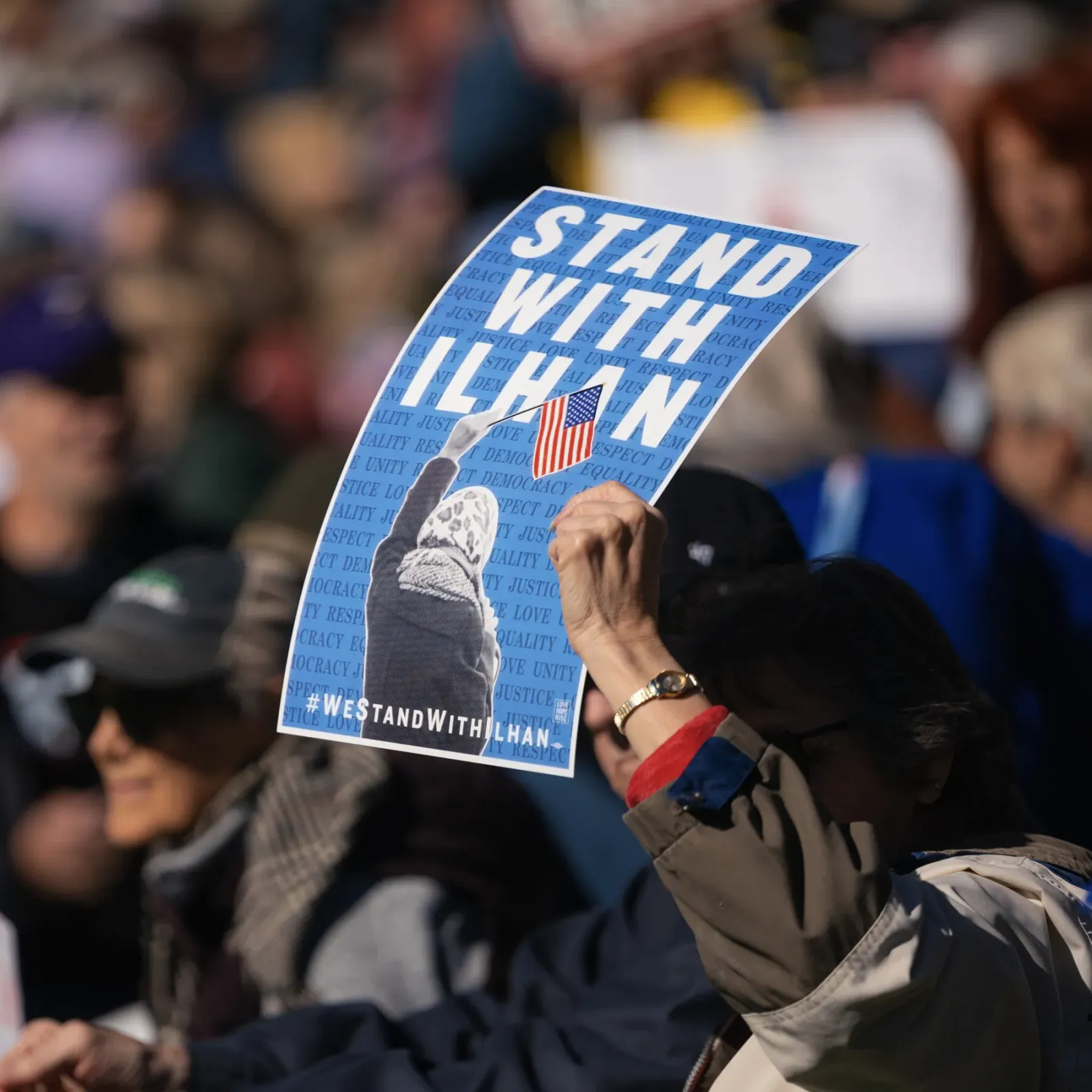
Obama Defends Ilhan Omar After Agents Search Her Home in Trump Inquiry
The former president's intervention raises the stakes in a federal probe into immigration paperwork that has put a prominent progressive lawmaker in the crosshairs.

Blair-era minister: cut welfare to fund youth job support
Alan Milburn's call for welfare cuts to fund employment support opens a Labour fight over benefits and the Neet crisis.

Hot September CPI: energy costs surge, voters feel the squeeze before midterms
The latest inflation print lands as Trump campaigns for GOP control of Congress, putting cost-of-living worries at the center of the midterm fight.