

Spain’s team play vs Messi’s genius: why the finalists are built for different outcomes
Two World Cup finalists operate like opposite business models, and the match-up decides which wins under pressure.

Spain and Lionel Messi's Argentina represent strikingly different team philosophies heading into the World Cup final. For decision-makers watching from outside sport, it is a live case study in whether process or star capability dominates when stakes peak.
The World Cup finalists are strikingly different teams, and the headline matchup is less about who has more talent and more about what kind of system wins when everything is on the line. Spain’s identity has historically leaned toward collective structure, where the team moves like a single instrument, and execution is distributed. Argentina, centered around Lionel Messi’s genius, looks built to manufacture moments that do not exist in the plan until they suddenly do, because one player can bend reality.
That contrast matters because the final is not played in a spreadsheet. It is played in momentum swings, tight spaces, and moments where a single lapse can flip the result. Spain’s approach aims to reduce volatility through teamwork, ball circulation, and coordinated decision-making, essentially trying to make the match less about luck and more about repeatable advantages. Messi’s presence introduces a different kind of volatility, one created by individual creativity, where the match can change because a star finds a line the team could not have designed in advance.
If you want the business analogy, Spain is closer to a process-driven organization. The point is not that every player is identical, it is that roles connect, timing matters, and the whole is larger than the sum of parts. In corporate life, that can mean fewer “hero moments” and fewer catastrophic failures, because your system is designed to absorb pressure. In football terms, it looks like the ability to keep shapes, control the tempo, and create chances through patient build-up.
Argentina’s model is the star-operator model. When Messi’s genius shows up, it is not just a goal threat. It changes how opponents defend, because teams cannot fully “systematize” the risk. Defenders can track passes and formations, but they have to respect the possibility that a single touch, dribble, or acceleration can turn the whole defensive plan into a suggestion. That creates second-order effects: midfielders may hesitate, fullbacks might hold a different line, and the entire team can become reactive, not proactive.
This is where governance and incentives become relevant even outside the sport. In an organization, leaders face a recurring dilemma: do you invest in coordinated capability that scales across the whole team, or do you maximize the value of a unique high-impact asset? Spain is the “capability scales” argument. Argentina is the “unique advantage compounders” argument. Boards and executives often talk about balance, but matches expose the trade-off. When a star is decisive, the system around them can be more flexible, but that also raises dependence risk. When teamwork is the edge, it can reduce dependence on one player, but it can also struggle if the opponent forces chaos.
Regulatory context in football does not work like financial regulation, but there is still an implicit framework: tournament dynamics, coaching decisions, and match-level discipline. Finals reward calm under constraint. The teams that can keep their structure and decision-making crisp are often the ones that survive the officiating atmosphere, fatigue, and tactical adjustments. Spain’s teamwork is essentially built for those constraints. Argentina’s star power is built for them too, but in a different way: it does not necessarily eliminate pressure, it converts pressure into creative opportunities when the defense is forced to choose between blocking the plan and controlling the unpredictable.
This story's Key Insights and Take-aways are locked.
Create a free account to unlock Executive Actions for one credit.
Register to UnlockAlways free for Executives Club members. Join the Club
More in Politics
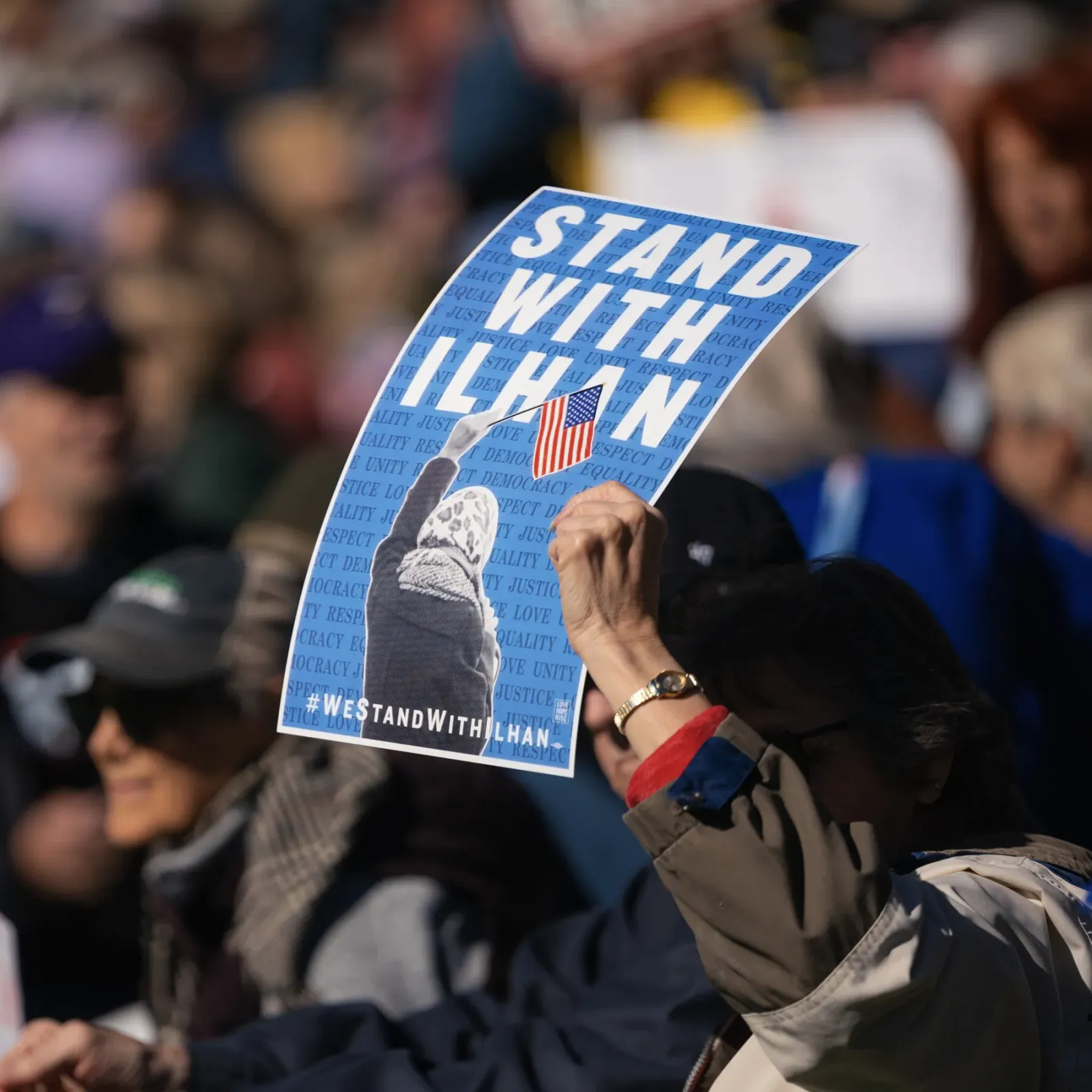
Obama Defends Ilhan Omar After Agents Search Her Home in Trump Inquiry
The former president's intervention raises the stakes in a federal probe into immigration paperwork that has put a prominent progressive lawmaker in the crosshairs.

Blair-era minister: cut welfare to fund youth job support
Alan Milburn's call for welfare cuts to fund employment support opens a Labour fight over benefits and the Neet crisis.
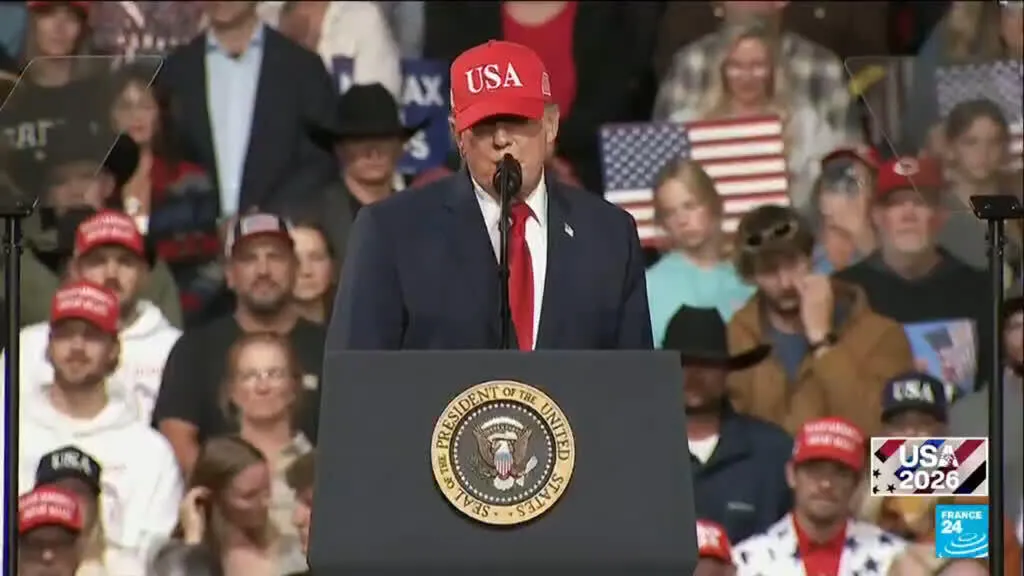
Hot September CPI: energy costs surge, voters feel the squeeze before midterms
The latest inflation print lands as Trump campaigns for GOP control of Congress, putting cost-of-living worries at the center of the midterm fight.