
Spotify adds voice commands to create playlists and learn songs, no taps required
“Talk to Spotify” turns natural speech into playlists and song discovery, changing how people interact with music apps.
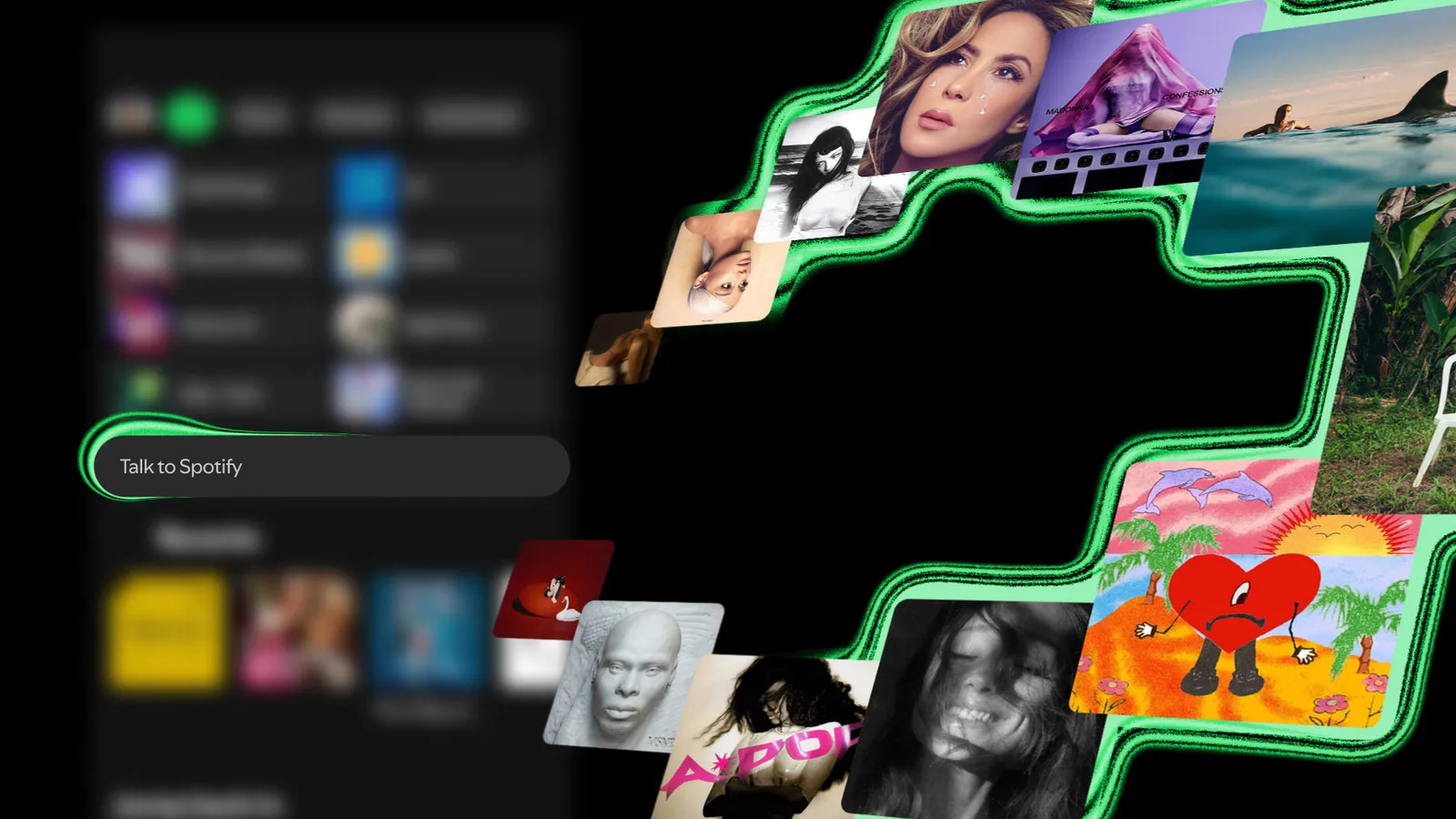
Spotify is rolling out a feature called “Talk to Spotify” that lets users control the app with voice. For decision-makers, it is a direct push toward lower-friction engagement and smarter discovery inside the Spotify ecosystem.
Spotify has finally made it possible to control the app using your voice, with a new feature called “Talk to Spotify.” The headline promise is simple and specific: users can create playlists and learn about songs through voice commands, without tapping through menus.
In other words, Spotify is not just adding a novelty control scheme. It is letting voice become a new front door into the product, including two of the most important in-app behaviors: playlist creation and song learning. Playlist creation is where users express taste and build momentum. Song learning is where discovery turns into understanding, which then turns into future listening. “Talk to Spotify” targets both, which matters because engagement and retention in music apps often come from how quickly users can go from intent to action.
If you run a music or media platform, the strategic logic is pretty clear. Traditional browsing is a friction tax. You search, scroll, read, decide, confirm. Voice compresses that loop. Instead of asking users to become fluent in an interface, the interface becomes responsive to how users already speak: in requests, preferences, and curiosity. The product shift is small on paper but meaningful in practice, because it changes the time cost of doing anything in the app.
There is also a platform dynamic here that executives should care about. Spotify’s core advantage has long been the network effects of its catalog and recommendations, but it still competes for attention inside users' daily routines. Voice is a way to “ride along” with those routines. People do things hands-free: cooking, commuting, working out, driving. If Spotify can be invoked and operated during those moments, it can steal usage from competitors that require more active navigation.
For context, the broader industry has been inching toward voice as a mainstream input for a while. Smart speakers normalized voice-first interactions at home. Mobile assistants normalized voice searches and reminders on the go. Now the big question for a company like Spotify is whether voice can become an on-ramp to deeper behaviors, not just a search bar replacement. The Engadget report highlights that “Talk to Spotify” goes beyond simple commands by enabling playlist creation and learning about songs. That suggests Spotify is aiming for “sticky” actions, not just lightweight queries.
From a decision-maker standpoint, think about what boards and executives usually want from product updates like this. The best features do at least two jobs. They increase engagement, and they increase switching costs. Voice-first playlist creation can increase engagement because it makes playlist building faster and more natural. Voice-first song learning can increase switching costs if it trains users to think of Spotify as the place where questions get answered about music, not just streamed.
There is also a data and measurement angle. Voice commands produce different signals than clicks. Even if the user outcome is the same, how users get there can change the way a team measures intent. For example, the words people use to describe music preferences can be proxies for taste, mood, and context. That can feed recommendation models and feed future discovery experiences. Executives should expect the analytics work behind the scenes to be substantial, even if the user-facing feature sounds straightforward.
Regulation is the other background factor, even when a story does not get regulatory-specific. Voice features typically raise questions around consent, data handling, and how recordings or transcripts are processed. The report we have does not spell out policy details, but the existence of a voice interface is itself a reminder that trust and compliance are not optional. If users feel uneasy about what the app hears, they can simply decline or stop using the feature, which would undermine the engagement goal.
Second-order implications show up in partnerships too. Voice experiences can reshape where users search, how they discover, and what they consider “the system of record” for music information. If “Talk to Spotify” makes Spotify the conversational layer for playlists and song learning, it strengthens Spotify’s position versus services that rely on external navigation paths. That is the strategic stakes for peers: when a user asks a question, who answers it? And when a user says what they want to hear, who turns that into an actionable playlist?
So the real news is not that voice exists. It is that Spotify is trying to make voice operational inside core musical activities. “Talk to Spotify” is built for two user journeys at once. Create a playlist. Learn about a song. If Spotify pulls this off cleanly, it could make the app feel less like a library you browse and more like a companion you instruct. That is a competitive shift worth paying attention to.
This story's Key Insights and Take-aways are locked.
Create a free account to unlock Executive Actions for one credit.
Register to UnlockAlways free for Executives Club members. Join the Club
More in Technology

Google quietly links your phone number to every Android account on your SIM
Adding a SIM now ties your phone number to all Google accounts - and future accounts inherit it. Here's the security and privacy stakes.

Hijacker AI 'Skynet mode' runs 100,000 attack steps against exposed models
Symantec caught a criminal AI agent that borrows other models, steals data, and mines crypto; the only relief is no confirmed victims yet.

Nvidia's AI-financier shift faces its first big test as neoclouds stumble
A rout in neocloud stocks is forcing investors to weigh Nvidia's hidden exposure as both supplier and lender to the AI buildout.